
Obesity Target Collection, Pioneer Therapeutic Innovation

Obesity has emerged as a critical global public health challenge, driving rapid expansion of the obesity therapeutics market, which has surpassed the $10 billion milestone. Early obesity therapies, predominantly centrally acting appetite suppressants and lipase inhibitors, were limited by modest efficacy and unresolved safety concerns, restricting their widespread clinical adoption. The advent of glucagon-like peptide-1 receptor (GLP-1R) agonists marked a paradigm shift in obesity treatment, delivering substantial weight loss with manageable safety profiles and ushering in the incretin era. Building on this success, the development of multi-target incretin therapies—including GLP-1R/GIPR, GLP-1R/GCGR, and GLP-1R/GIPR/GCGR agonists—has accelerated, further expanding the therapeutic landscape.
Meanwhile, drug development priorities have evolved from simple weight reduction towards holistic metabolic remodeling. Current therapeutic development initiatives prioritize selective fat loss while preserving lean muscle mass, alongside balanced modulation of appetite, energy expenditure, and lipid metabolism. Collectively, these breakthroughs are driving obesity management toward more precise and integrated therapeutic strategies.
To empower the rapidly evolving obesity drug development landscape, ACROBiosystems offers a comprehensive portfolio of research tools targeting key metabolic regulators, including GLP-1R, GIPR, GCGR, AMYR, Activin E, ALK-7, and GDF-8. The product lineup comprises high-quality recombinant target proteins, functional cell lines, high-throughput screening kits, and quantitative biomarker detection tools. These resources support end-to-end R&D workflows, spanning target mechanism validation, bioactivity evaluation, candidate molecule screening, pharmacological and efficacy assessment, and clinical sample testing— streamlining efficient advancement of innovative obesity therapeutic pipelines.

Product Features

Comprehensive Target Coverage:Includes mature and next-generation innovative targets, provides one-stop full-process research tools to match all pipeline target layouts.

High-Quality Assurance:Native, highly active recombinant proteins with superior consistency; stably passaged, MOA-verified functional cell lines for commercial applications; highly-specificity assay kits with repeatable data and no cross-reactivity.

End-to-End Workflow Solutions:Supports target validation, high-throughput screening, MOA mechanistic studies, pharmacodynamic evaluation and biomarker testing to accelerate pipeline advancement.

Multi-Modality Compatibility:Suitable for developing peptides, small molecules, monoclonal antibodies, bispecific antibodies, and other next-generation obesity therapeutics.

Hot Target List

Applications
GLP-1&GLP-1R
GLP-1&GLP-1R
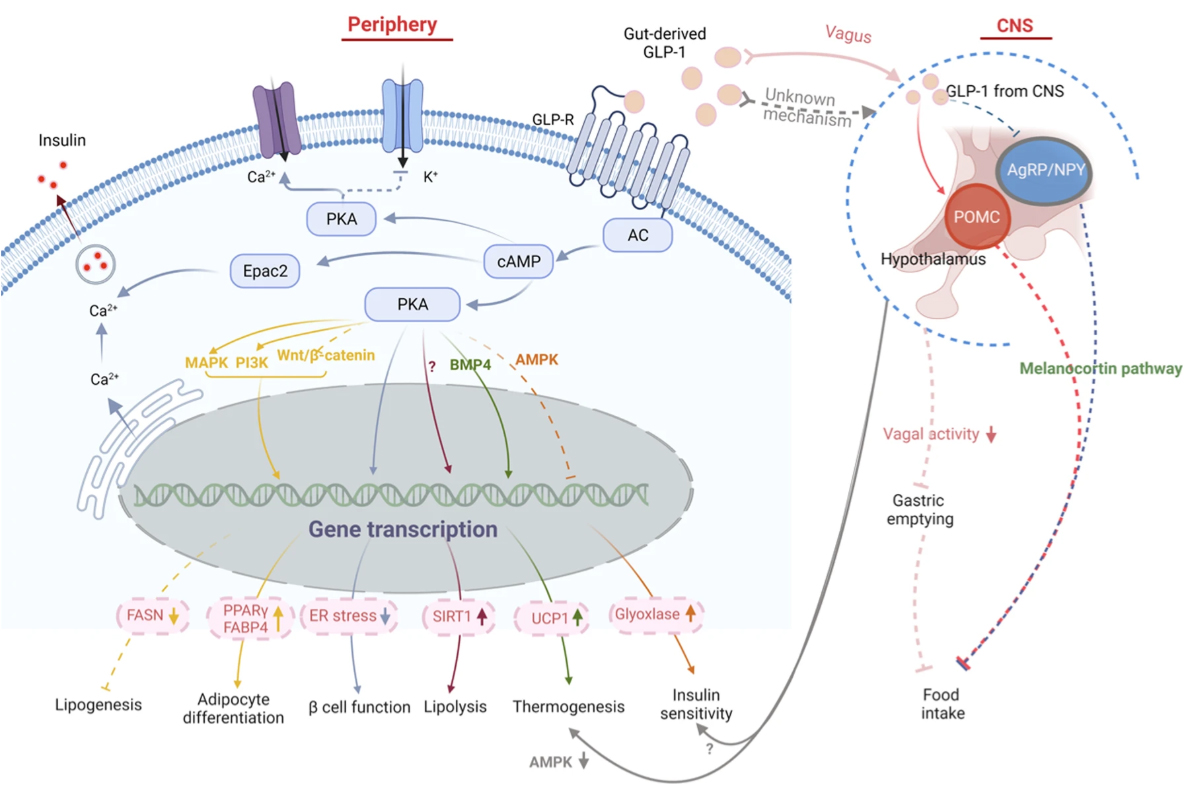
GLP-1R is a Class B G protein-coupled receptor (GPCR) widely expressed in pancreatic β-cells, the central nervous system and gastrointestinal tissues. GLP-1R agonists mimic endogenous GLP-1. By activating Gαs proteins, they upregulate adenylyl cyclase (AC) activity and elevate intracellular cAMP levels, subsequently triggering the PKA/EPAC signaling cascade. This cascade mediates glucose-dependent insulin secretion, delayed gastric emptying and central appetite suppression, ultimately producing weight-lowering effects.
GLP-1R Protein for Binding Screening and Validation(ELISA)

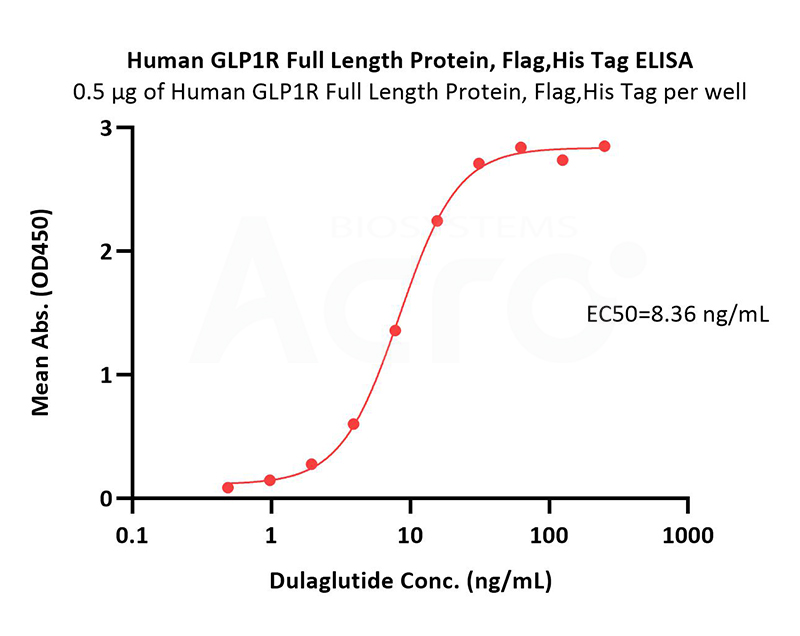
Immobilized Human GLP-1R Full Length Protein, Flag,His Tag (Cat. No. GLR-H52D4) at 5 μg/mL (100 μL/well) on a Nickel Coated plate (Cat. No. SP-16) can bind Dulaglutide(a dual GLP-1R and GCGR agonist) with a linear range of 0.5-16 ng/mL.

Request Protocol
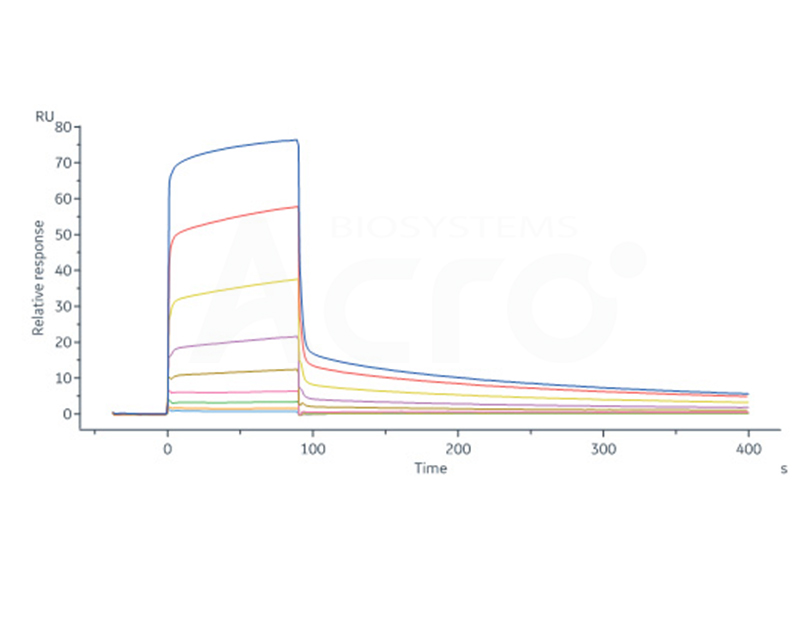
GLP-1R Protein for Affinity Screening and Validation(SPR)

Biotinylated Human GLP-1R, His,Avitag (Cat. No. GLR-H82E3) immobilized on CM5 Chip can bind GLP-1 (7-37) with an affinity constant of 1.33 μM as determined in a SPR assay (Biacore 8K).

Request Protocol

GLP-1R Reporter Cell Line for Drug Bioactivity Detection
(Cell-based Assay)
GLP-1R Reporter Cell Line for Drug Bioactivity Detection (Cell-based Assay)

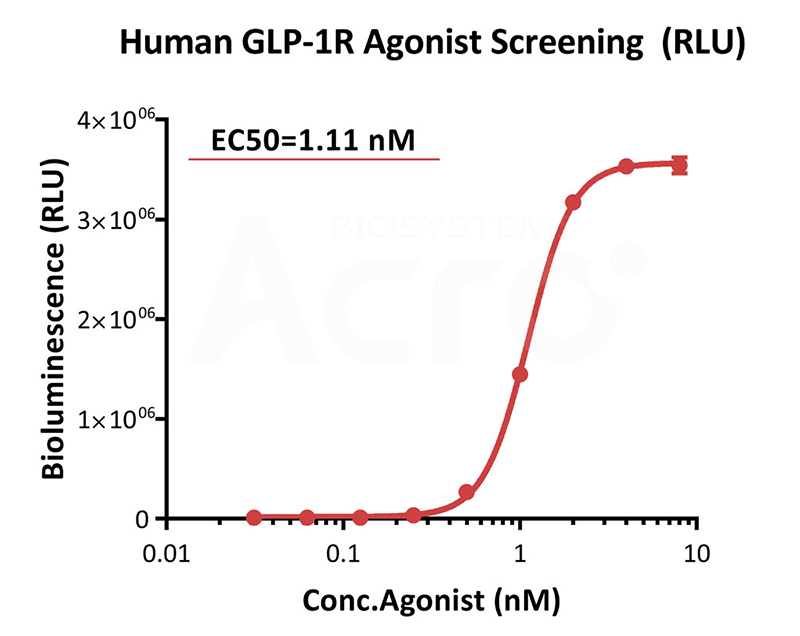
Bioactivity analysis of human GLP-1R agonist (RLU). Human GLP-1R (Luc) HEK293 Reporter Cell (Cat. No. CHEK-ATF096) was incubated with serial dilutions of Tirzepatide (a dual GLP-1R and GIPR agonist). The EC50 of Tirzepatide was approximately 1.11 nM.

Request Protocol

GLP-1R Overexpressing Cell Lines for Drug Bioactivity Detection
(Cell-based Assay)
GLP-1R Overexpressing Cell Lines for Drug Bioactivity Detection (Cell-based Assay)

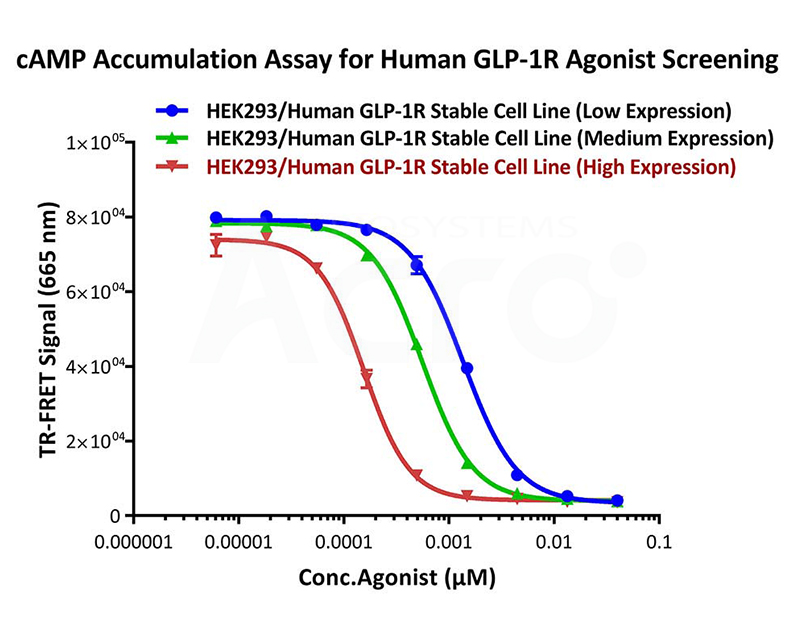
cAMP accumulation assay for human GLP-1R agonist screening. HEK293/Human GLP-1R Stable Cell Line (Low Expression) (Cat. No. CHEK-ATP162), HEK293/Human GLP-1R Stable Cell Line (Medium Expression) (Cat. No. CHEK-ATP161) and HEK293/Human GLP-1R Stable Cell Line (High Expression) (Cat. No. CHEK-ATP160) were stimulated with Tirzepatide, respectively. The EC50 of Tirzepatide on HEK293/Human GLP-1R Stable Cell Line (High Expression) was approximately 0.0001544 μM.The EC50 of Tirzepatide on HEK293/Human GLP-1R Stable Cell Line (Medium Expression) was approximately 0.0005579 μM.The EC50 of Tirzepatide on HEK293/Human GLP-1R Stable Cell Line (Low Expression) was approximately 0.00136 μM.

Request Protocol
ALK-7 & Activin E
ALK-7 & Activin E
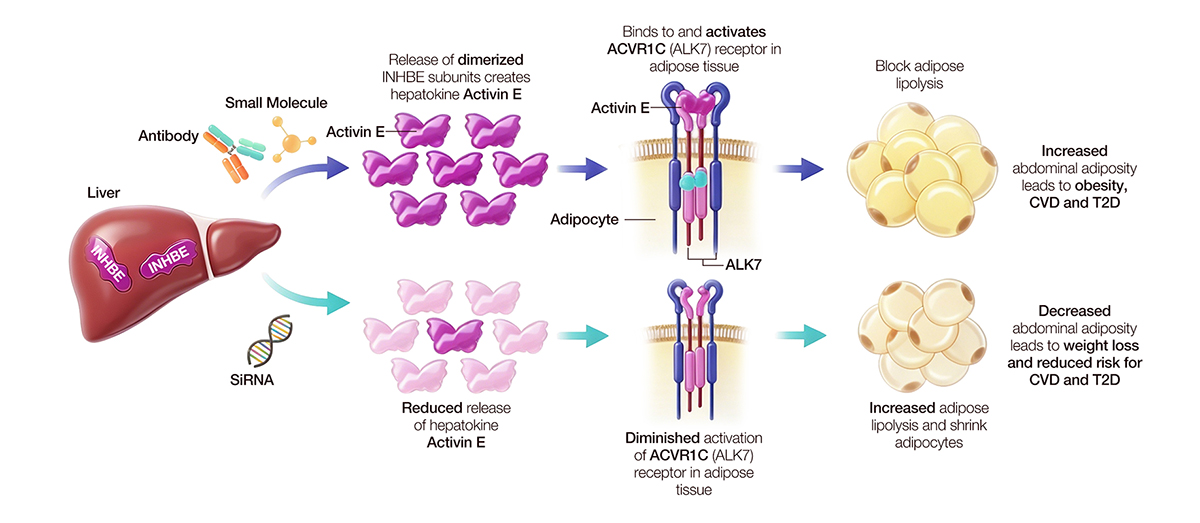
Activin E is a key member of the transforming growth factor-β (TGF-β) superfamily, encoded by the INHBE gene in the liver. Studies have shown that increased INHBE gene expression leads to elevated Activin E protein levels, which act on hepatic adipocytes, resulting in obesity. The underlying pathway is the Activin E-ALK7 pathway. Reducing INHBE mRNA levels via siRNA drugs, anti-ALK7 neutralization antibody and ALK-7 small molecule inhibitor may selectively reduce adipose tissue (especially visceral fat) while preserving muscle mass—distinct from current mainstream weight-loss medications.
ALK-7 Reporter Cell Lines for Antibody Drug Bioactivity Detection
(Cell-based Assay)
ALK-7 Reporter Cell Lines for Antibody Drug Bioactivity Detection (Cell-based Assay)

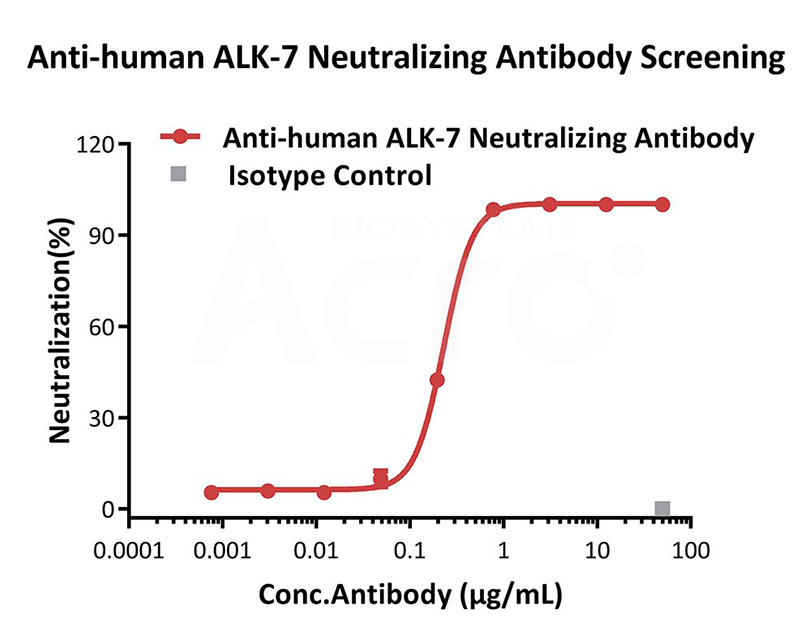
Inhibition of human Activin E protein-induced reporter activity by anti-human ALK-7 neutralizing antibody. Human ALK-7 (Activin E receptor) (Luc) HEK293 Reporter Cell (Cat. No. CHEK-ATF273) was incubated with serial dilutions of antibodies in the presence of human Activin E protein (Cat. No. INE-H5143) with a final concentration of 0.003 μg/mL. The EC50 of anti-human ALK-7 neutralizing antibody is approximately 0.2304 μg/mL.

Request Protocol

ALK-7 Reporter Cell Line for Small Molecular Drug Bioactivity Detection
(Cell-based Assay)
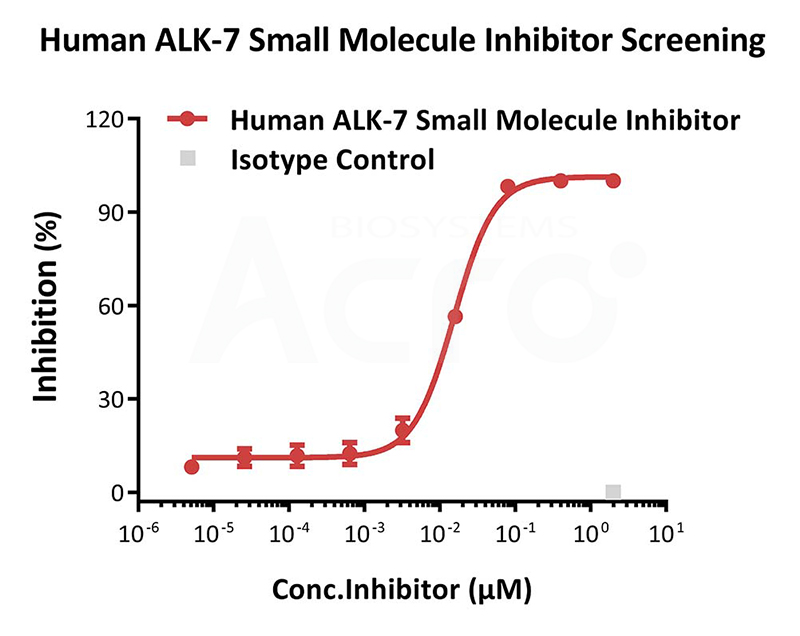
ALK-7 Reporter Cell Line for Small Molecular Drug Bioactivity Detection (Cell-based Assay)

Inhibition of human Activin E protein-induced reporter activity by human ALK-7 small molecule inhibitor. Human ALK-7 (Activin E receptor) (Luc) HEK293 Reporter Cell (Cat. No. CHEK-ATF273) was incubated with serial dilutions of inhibitors in the presence of human Activin E protein (Cat. No. INE-H5143) with a final concentration of 0.003 μg/mL. The EC50 of human ALK-7 small molecule inhibitor was approximately 0.01536 μM.

Request Protocol
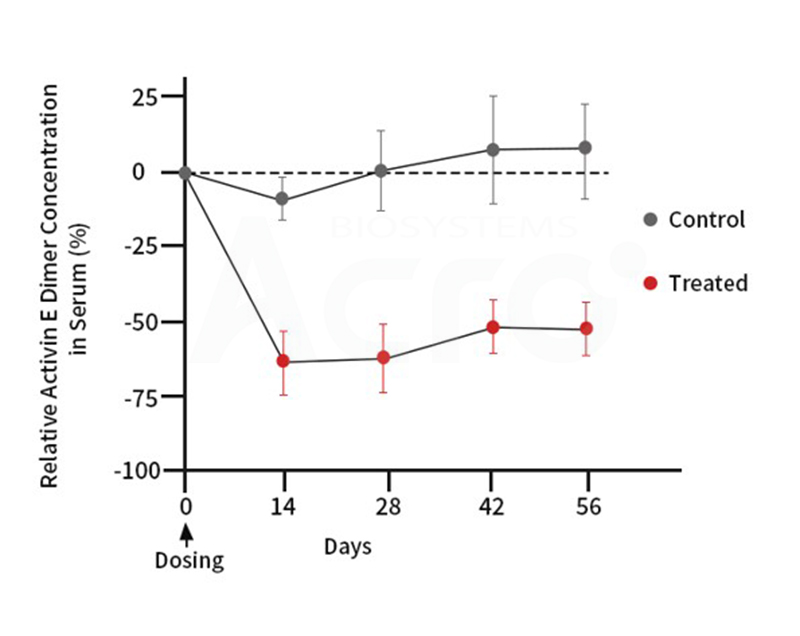
Activin E ELISA Kit for Biomarker Analysis Induced by INHBE-siRNA Drug

NHP samples drug efficacy evaluation. NHP Serum Activin E Dimer Protein Levels was detected by Human Activin E Dimer ELISA Kit(Cat. No. CEA-B247) in the INHBE-siRNA Drug Treatment Group and the Control Group. Note:Data provided by third-party CRO, for reference only. Official validation shall be performed by the client.

Request Protocol
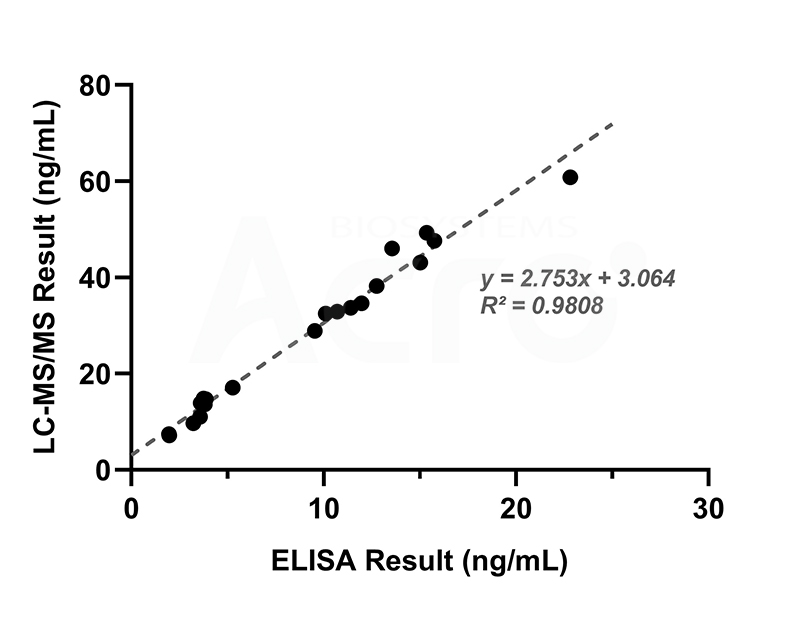
Activin E ELISA Kit for Biomarker Analysis Induced by INHBE-siRNA Drug

LC/MS and ELISA methods consistency evaluation. Comparison LC/MS and Human Activin E Dimer ELISA Kit(Cat. No. CEA-B247) Methods to Measure Activin E Levels in Human serum. Note: Data sourced from ACRODx is for reference only. Specific validation requires re-verification by the customer.

Request Protocol

References

Xue Wen, Bohan Zhang, Tao Li, et al. Correction To: Signaling pathways in obesity: mechanisms and therapeutic interventions. Signal Transduction and Targeted Therapy, (2022) 7:369 https://doi.org/10.1038/s41392-022-01188-4

  • Background
  • Product Features
  • Hot Target List
  • Applications
  • Related Articles
  • References
Contact Us

전화
글로벌: +1 800-810-0816 (무료)
아시아태평양: +86 400-682-2521

주소 서울특별시 송파구 법원로11길 11, 제3층 제비-314,315호