



Immune Checkpoints Research Solutions
Recommended Reading: Immune Checkpoint Bispecific Antibody Targets
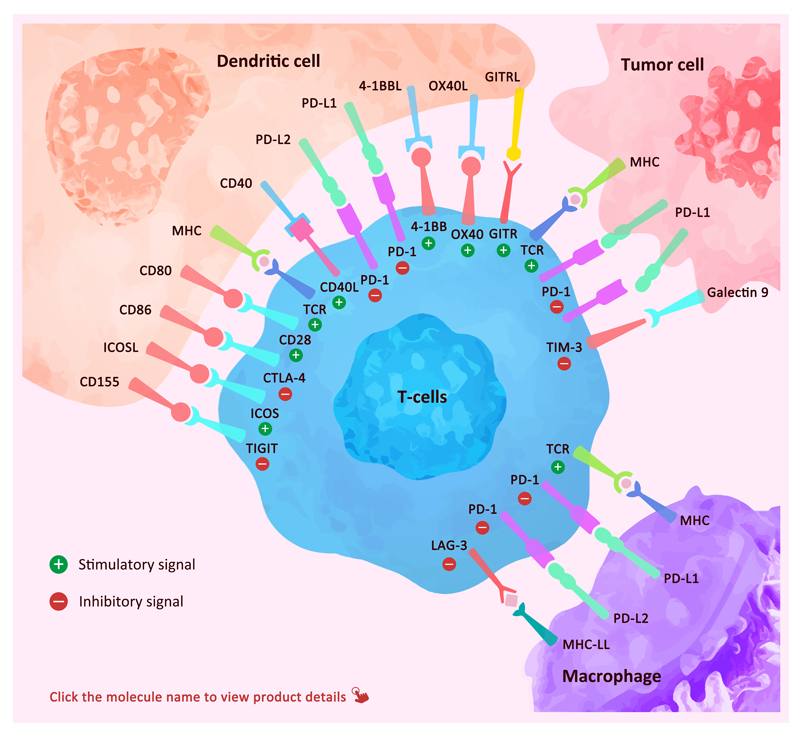
Target Proteins List
| Immune Co-inhibitory Receptors | PD-1 | PD-L1 | PD-L2 | B7-H3 | B7-H4 |
| B7-H5 | BTLA | CD80(B7-1) | CD86(B7-2) | CD96 | |
| CD47 | CD155 | CTLA-4 | LAG-3 | TIGIT | |
| TIM-3 | Nectin-1 | DNAM-1 | Galectin-9 | HVEM | |
| Nectin-2 | Nectin-3 | PVRIG | SIRP alpha | SIRP alphaV2 | |
| SIRP gamma | CD160 |
|
|
|
|
| Immune Co-stimulatory Receptors | 4-1BB Ligand | 4-1BB | OX40 Ligand | OX40 | ICOS Ligand (B7-H2) |
| ICOS | GITR Ligand | GITR | CD48 | HVEM | |
| Nectin-2 | CD40 Ligand | CD40 | CD30 ligand | CD30 | |
| CD28 | CD27 Ligand | CD27 | B7-1 | B7-2 | |
| LIGHT | B7-H7 | B7-H6 | 2B4 | CD28H | |
| Nkp30 |
|
|
|
|
|
| Others | LILRA1 | LILRA2 | LILRA3 | LILRA5 | LILRA6 |
| LILRB1 | LILRB2 | LILRB3 | LILRB4 | LILRB5 | |
| LAIR-1 | LAIR-2 | SLAMF1 | SLAMF2(CD48) | SLAMF3(CD229) | |
| SLAMF4(2B4) | SLAMF5(CD84) | SLAMF6(NTB-A) | SLAMF7(CRACC) | SLAMF8(BLAME) | |
| BTN1A1 | BTN3A1 | BTN3A2 | BTN3A3 | CD161 | |
| MARCO | MSP1D1 | Nectin-1 | Nectin-4 | TREM2 | |
| ILDR2 |
|
|
|
|
Featured Products
 Order
OrderProduct Features and Applications
- Target Proteins
- Functional Cell Lines
- Inhibitor Screening Kits
- PK Assay Kits
Target Proteins
High bioactivity verified by ELISA/SPR/FACS, etc.
High batch-to-batch consistency ensured through stringent quality control
Functional Cell Lines
Fully traceable documentation, stringent quality control and validated cell passage stability
Comprehensive application data to support assay development and validation
Commercially licensed parental cell lines with global licensing support
Higher activity and larger assay window for robust and reproducible cell-based bioassay
Overexpression cell line activity validated by FACS
Reporter Cell Lines: Suitable for mechanism-of-action studies, neutralizing antibody screening and reporter-based functional bioassays.
Inhibitor Screening Kits
TR-FRET: Wash-free high-throughput workflow (500 tests per kit), comprehensive validation data, high sensitivity
ELISA: High accuracy and robustness, superior reproducibility, rapid universal 96-well assay, minimal matrix interference
PK Assay Kits
Fast & universal
High stability
- Target Proteins
- Functional Cell Lines
- Inhibitor Screening Kits
- PK Assay Kits
Target Proteins
High bioactivity verified by ELISA/SPR/FACS, etc.
High batch-to-batch consistency ensured through stringent quality control
Validation Data
MALS-Verified Native Molecular Weight & Oligomeric State
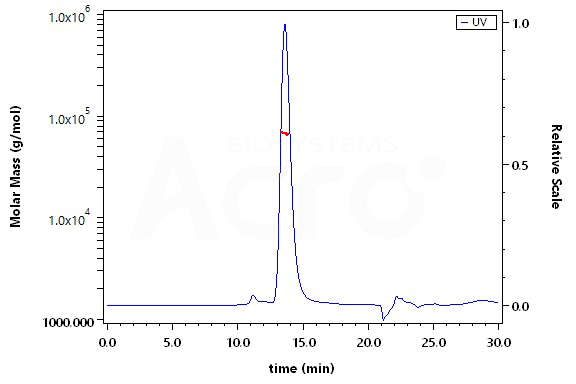
The purity of Human OX40 Ligand Protein, His Tag (Cat. No. OXL-H52Q8) is more than 95% and the molecular weight of this protein is around 60-80 kDa verified by SEC-MALS.
Request Report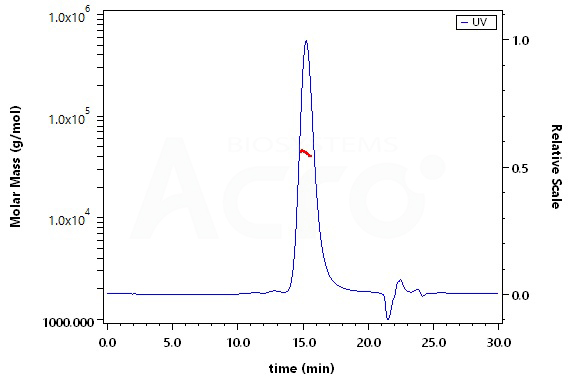
The purity of Human CTLA-4, His Tag (Cat. No. CT4-H52H9) is more than 90% and the molecular weight of this protein is around 45-60 kDa verified by SEC-MALS.
Request Report
Binding Assay
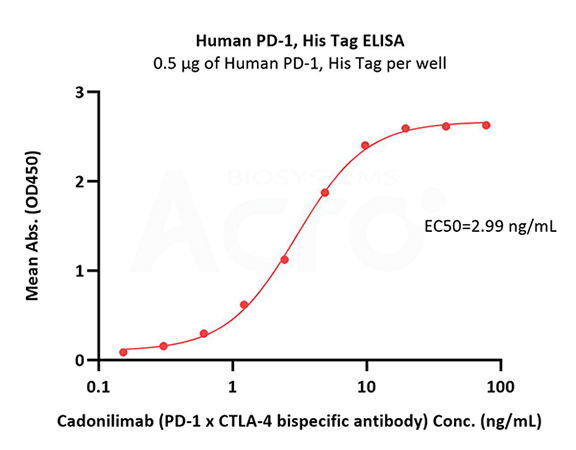
Immobilized Human PD-1, His Tag (Cat. No. PD1-H5221) at 5 μg/mL, add increasing concentrations of Cadonilimab (PD-1 x CTLA-4 bispecific antibody) and then add Biotinylated Human CTLA-4, Fc,Avitag (Cat. No. CT4-H82F3) at 0.2 μg/mL. Detection was performed using HRP-conjugated Streptavidin (Acro, Cat. No. STN-NH913) with sensitivity of 2.99 ng/mL (Routinely tested).
Request Protocol
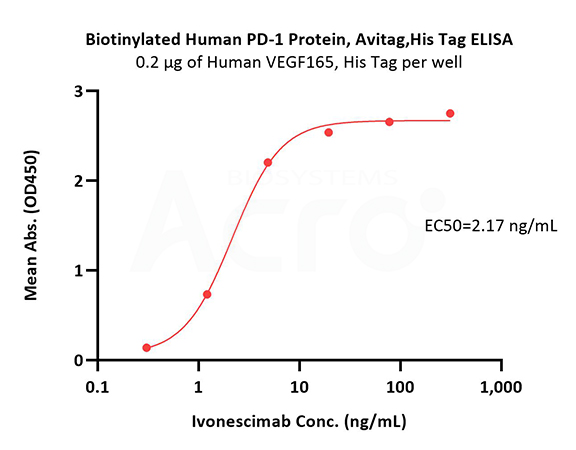
Immobilized Human VEGF165, His Tag (Cat. No. VE5-H5248) at 2 μg/mL, add increasing concentrations of Ivonescimab and then add Biotinylated Human PD-1 Protein, Avitag,His Tag (Cat. No. PD1-H82E4) at 2 μg/mL. Detection was performed using HRP-conjugated Streptavidin (Acro, Cat. No. STN-NH913) with sensitivity of 2.17 ng/mL (Routinely tested).
Request Protocol
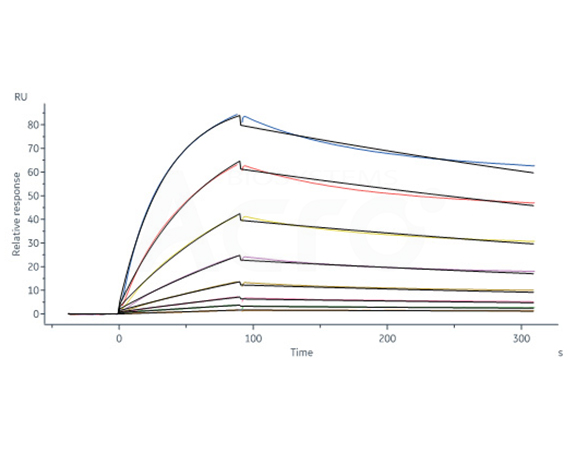
Anti-BAFFR Antibody, Human IgG1 immobilized on CM5 Chip can bind Human BAFFR Protein, Fc Tag (Cat. No. BAR-H5253) with an affinity constant of 9.66 nM as determined in a SPR assay (Biacore 8K) (Routinely tested).
Request Protocol
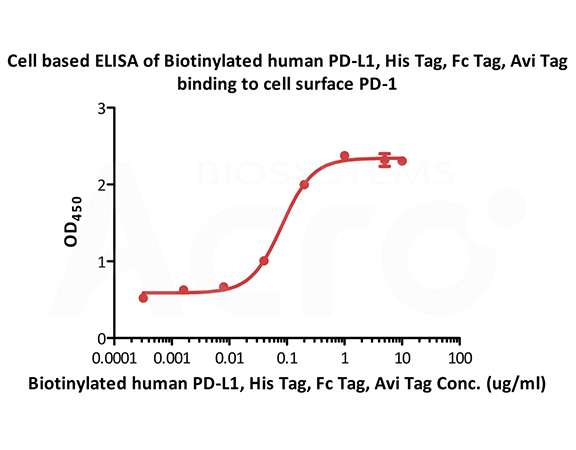
Immobilized cell surface PD-1 (5x10⁴ of cells per well) can bind Biotinylated Human PD-L1, Fc,Avitag, His Tag (Cat. No. PD1-H82F3) with an EC50 of 0.082 μg/mL (Routinely tested).
Request Protocol
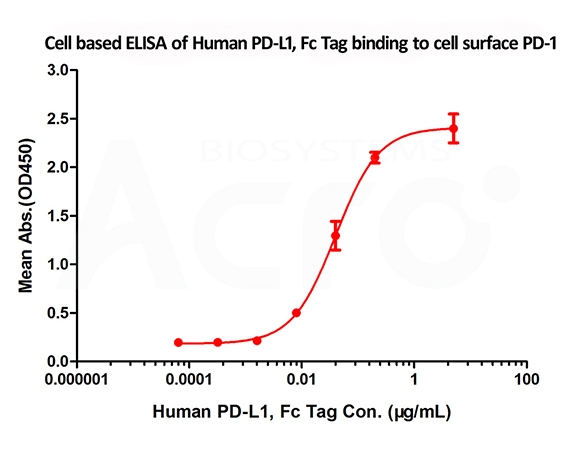
Immobilized cell surface PD-1 (5x10⁴ of cells per well) can bind Human PD-L1, Fc Tag (Cat. No. PD1-H5258) with an EC50 of 0.029 μg/mL (Routinely tested).
Request Protocol
Blocking Assay
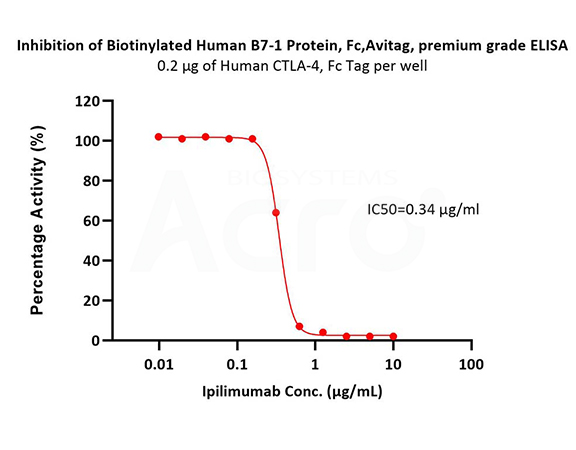
Serial dilutions of Ipilimumab were added into Human CTLA-4, Fc Tag (Cat. No. CT4-H5255): Biotinylated Human B7-1 Protein, Fc,Avitag, premium grade (Cat. No. B71-H82F3) binding reactions. The half maximal inhibitory concentration (IC50) is 0.34215 μg/mL (Routinely tested).
Request Protocol
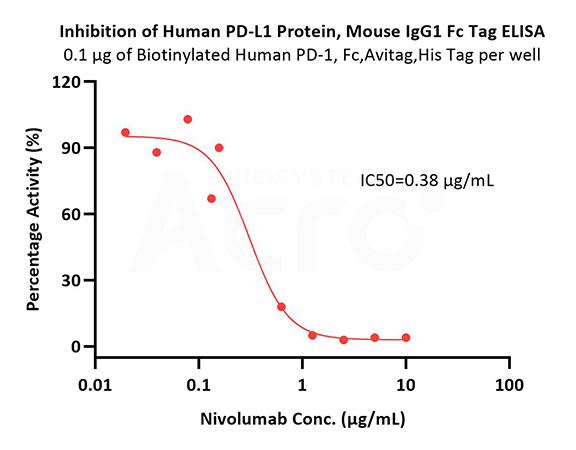
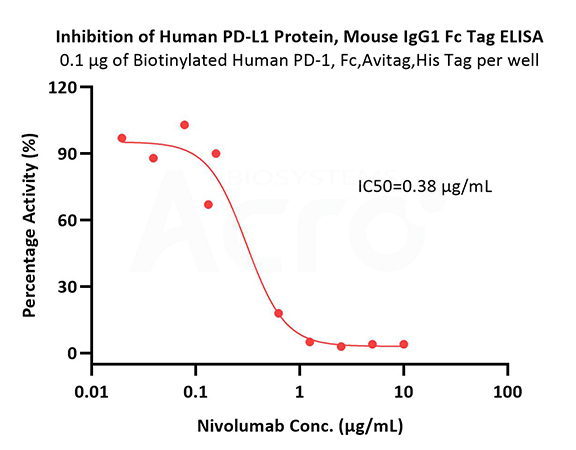
Serial dilutions of Nivolumab were added into Human PD-L1 Protein, Mouse IgG1 Fc Tag (Cat. No. PD1-H52A3): Biotinylated Human PD-1, Fc, Avitag, His Tag (Cat. No. PD1-H82F2) binding reactions. The half maximal inhibitory concentration (IC50) is 0.38426 μg/mL (QC tested).
Request Protocol
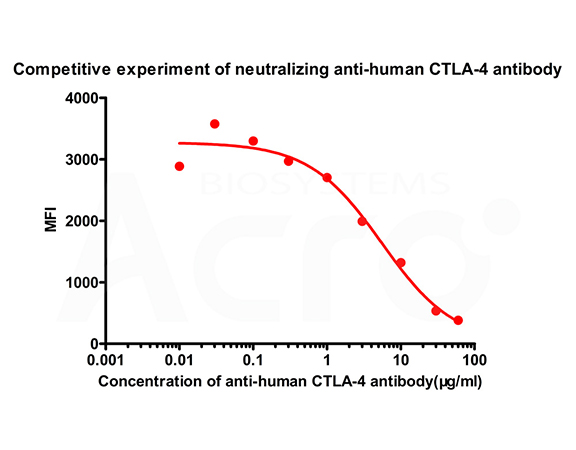
FACS analysis shows that the binding of Human B7-1, Mouse IgG2a Fc Tag (Cat. No. B71-H52A4) to 293 overexpressing CTLA-4 was inhibited by increasing concentration of neutralizing Anti-human CTLA-4 antibody. The concentration of Human B7-1 is 1 μg /mL. The IC50 is 5.5 μg/mL (Routinely tested).
Request Protocol
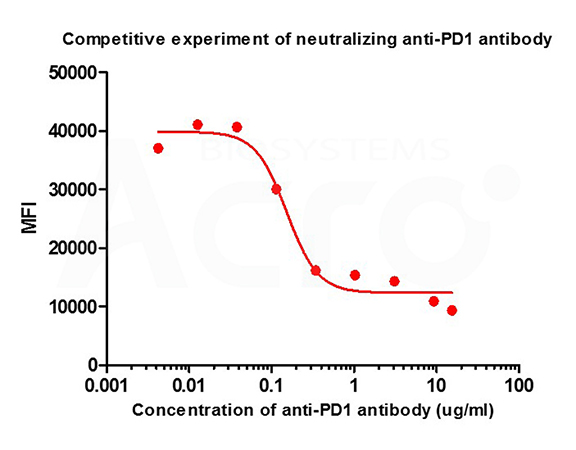
FACS analysis shows that the binding of Human PD-L2, Mouse IgG1 Fc Tag (Cat. No. PD2-H52A5) to 293 overexpressing PD-1 was inhibited by increasing concentration of neutralizing Anti-PD-1 antibody. The concentration of PD-L2 used is 0.1 μg/mL. The IC50 is 1.3 μg/mL (Routinely tested).
Request Protocol
Biochemical Neutralizing Antibody Screening
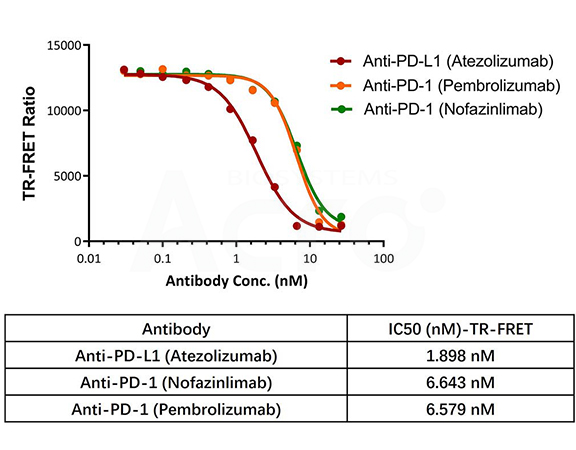
The Human PD-1 / PD-L1 Inhibitor Screening Kit (TR-FRET)(Cat. No. FRT-P019)is suitable for the detection of PD1/PD-L1 inhibitors. It shows that both Atezolizumab, Nofazinlima b and Pembrolizumab exhibit good inhibitory activity in this TR-FRET competition assay.
Request Protocol
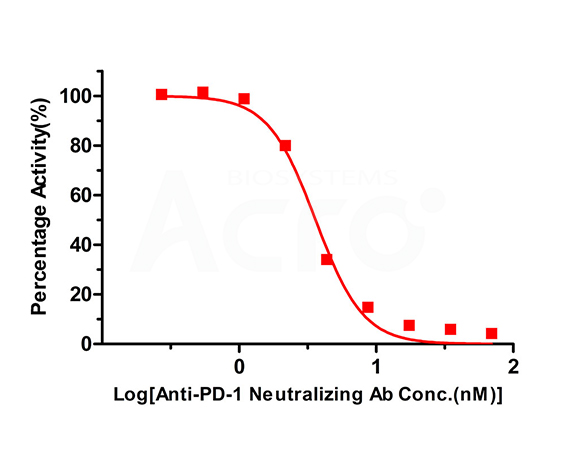
Inhibition of PD-1-PD-l1 binding by anti-PD-1 neutralizing antibody (catalog # EP-101-c03) measured using the PD-1 [biotinylated] : pd-l1 inhibitor screening ELISA assay pair (catalog # EP-101). Anti-PD-1 neutralizing antibody was diluted from 10 μg/mL to 0.078 μg/ mL (69.628 nM to 0.544 nM) and loaded onto the plate coated by human PD-L1 in the presence of human PD-1-Biotin. Assay was performed according to the protocol in PD-1[Biotinylated]: PD-L1 Inhibitor Screening ELISA Assay Pair. Background was subtracted from data points prior to log transformation and curve fitting (QC tested).
Request Protocol
Cell-Based Neutralizing Antibody Screening
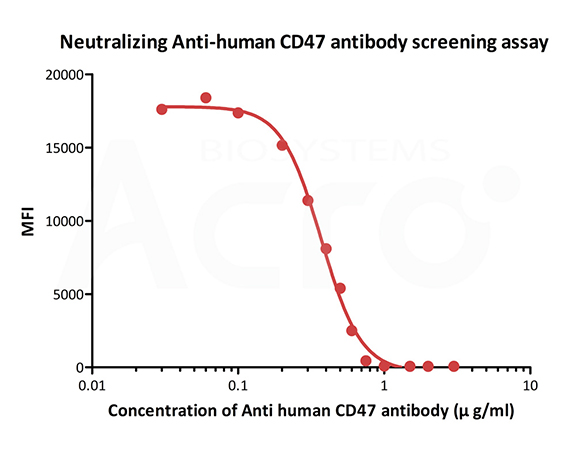
FACS analysis shows that the binding of PE-Labeled Human SIRP alpha, Fc Tag (Cat. No. SIA-HP252) to Jurkat cells overexpressing CD47 was inhibited by increasing concentration of neutralizing anti-human CD47 antibody. The IC50 is 0.37 μg/mL (QC tested).
Request Protocol
FACS analysis shows that the binding of Human PD-L1, Mouse IgG1 Fc Tag, low endotoxin (HPLC-verified) (Cat. No. PD1-H52A3) to HEK293/Human PD-1, GFP Tag Stable Cell Line (Cat. No. CHEK-ATP001) was inhibited by increasing concentration of neutralizing Anti-PD-1 antibody. The concentration of PD-L1 used is 1 μg/mL. The IC50 is 0.145 μg/mL (Routinely tested).
Request Protocol
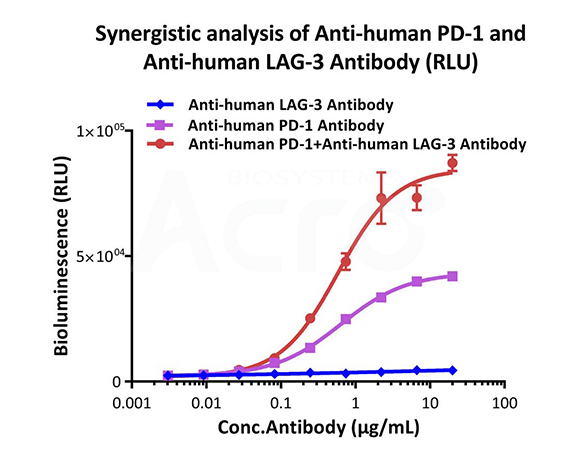
Analysis of the synergistic effect for anti-human PD-1 and anti-human LAG-3 antibody (RLU). This reporter cell (Cat. No. SCJUR-STF063)was co-incubated with serial dilutions of anti-human PD-1 plus anti-human LAG-3 antibody in the presence of target cells expressing human PD-L1 and MHCⅡ. The EC50 was approximately 0.58 μg/mL.
Request Protocol
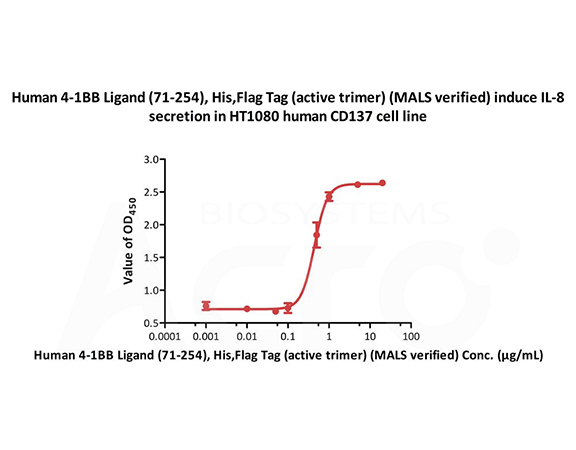
Human 4-1BB Ligand (71-254) Protein, His,Flag Tag (Cat. No. 41L-H52D4) induce IL-8 secretion in HT1080 human CD137 cell line. The EC50 for this effect is 0.20-0.44 μg/mL (Routinely tested).
Request Protocol
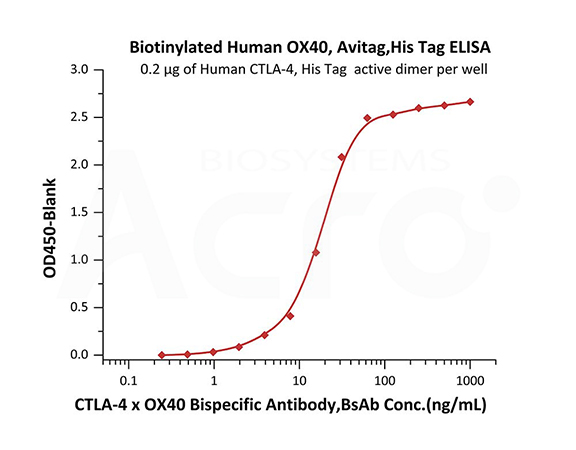
Immobilized Human CTLA-4, His Tag, active dimer (Cat. No. CT4-H52H9) at 2 μg/mL, add increasing concentrations of CTLA-4 x OX40 Bispecific Antibody in 50% Human serum and then add Biotinylated Human OX40, Avitag,His Tag (Cat. No. TN4-H82E4) at 1 μg/mL. Detection was performed using HRP-conjugated streptavidin with sensitivity of 4 ng/mL (Intact assay, Routinely tested).
Request Protocol
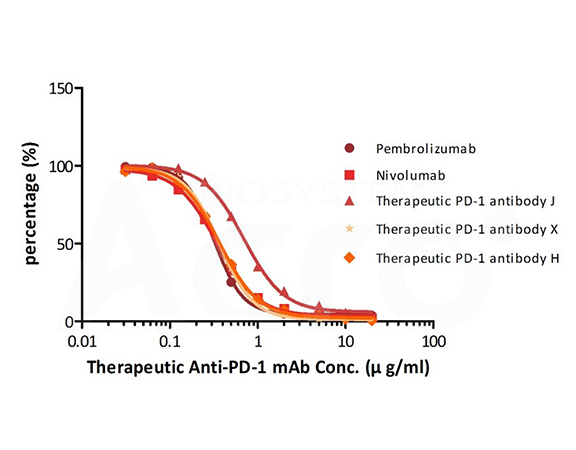
(Cat. No. EPM-V1)Quantitative Analysis Five Different Therapeutic Anti-PD-1 Antibody in Mouse Serum Samples. Serial dilutions of the Therapeutic Anti-PD-1 Antibody (1:2 serial dilutions, from 20 μg/mL to 0.039 μg/mL) was added into PD-1: Biotinylated Anti-PD-1 Antibody binding reactions.
Request Protocol
Related Product Recommendations


Resource download
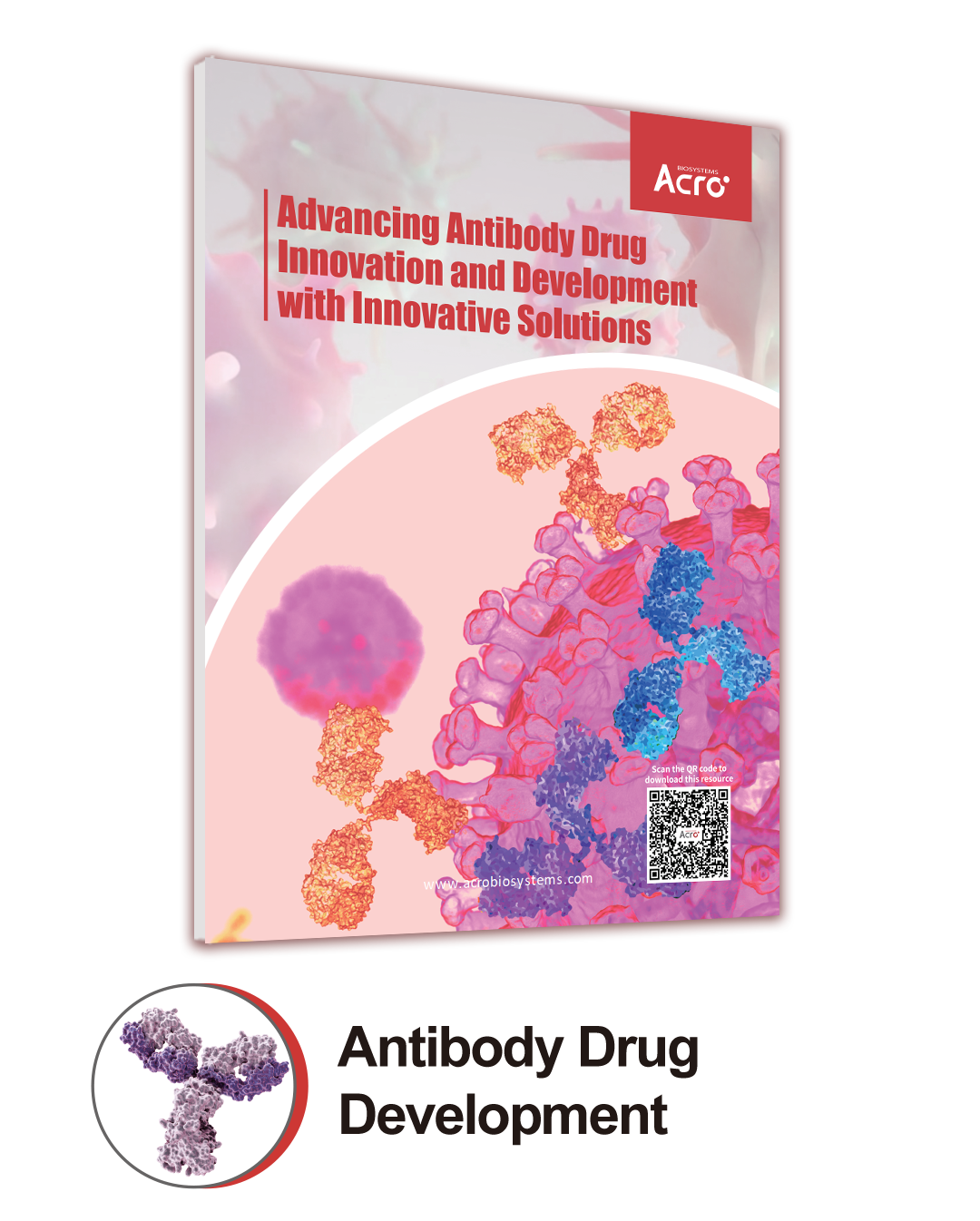
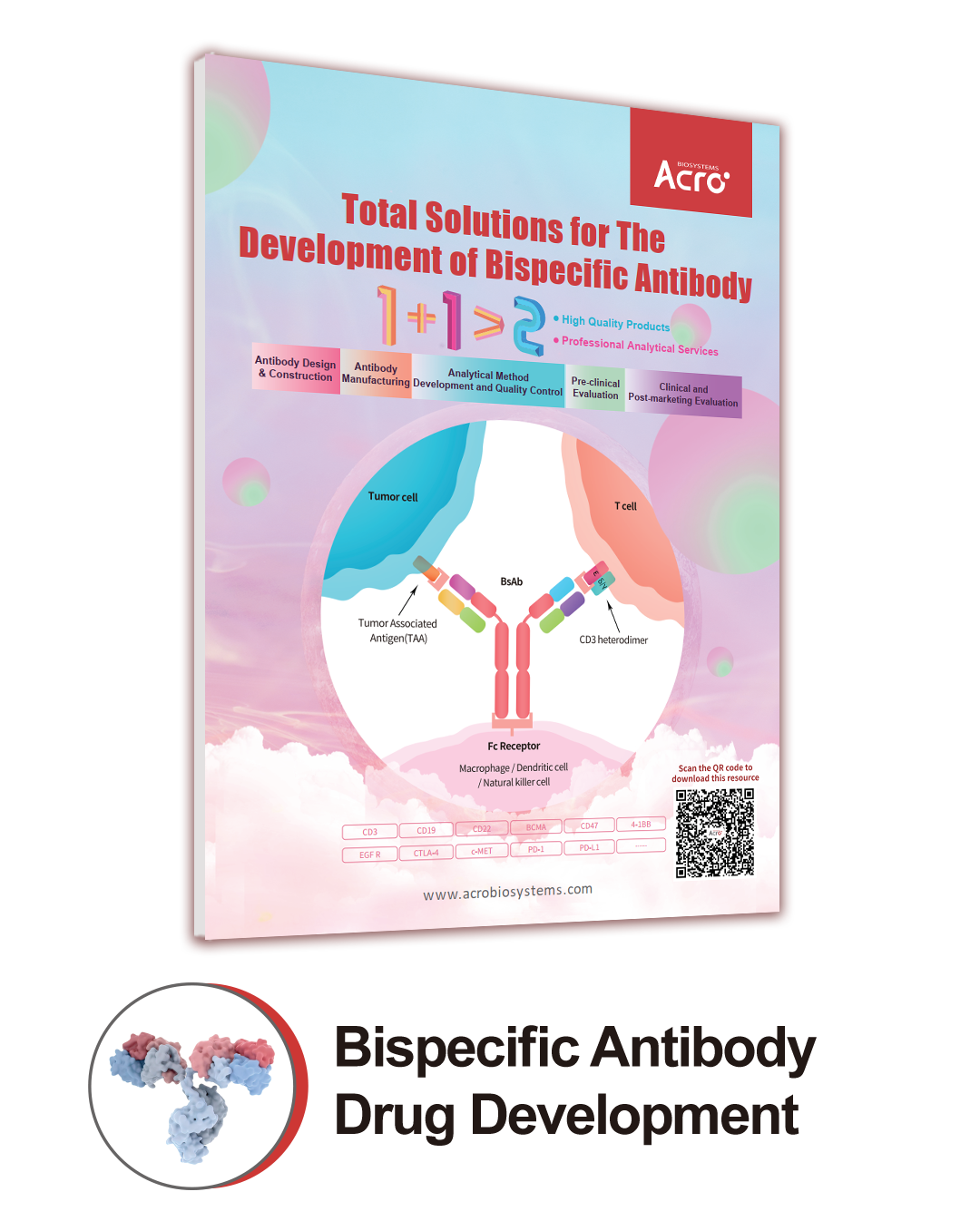
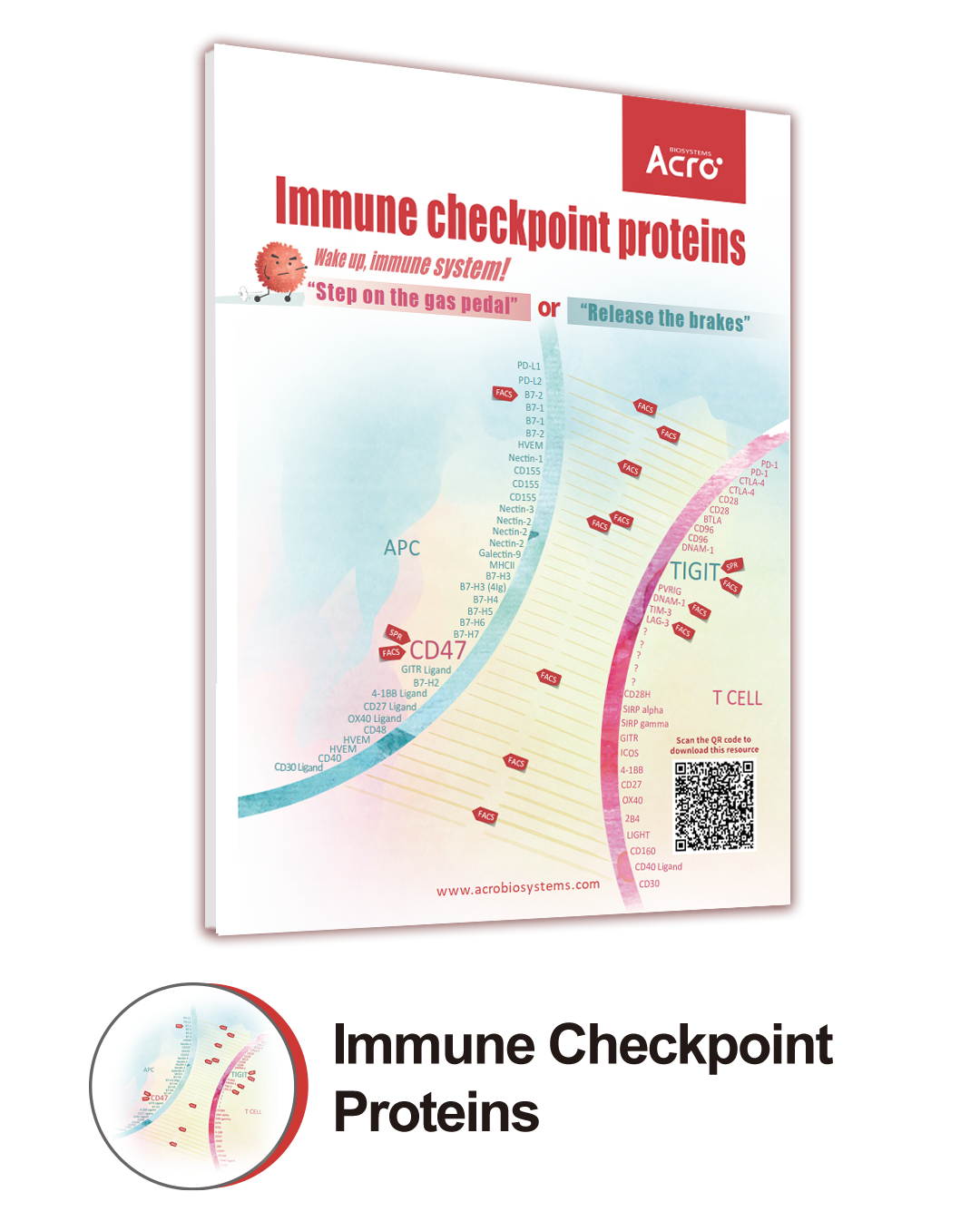
- Supporting Immunotherapy Research from Target Discovery to Bioanalytical Studies
- Target Proteins List
- Featured Products
- Product Features and Applications
- Validation Data
- Hot Pathways & Protein Families
- Related Product Recommendations
- Resource download