ADAM9

ADAM9

ADAM9 Overview

Molecule Name
Disintegrin and metalloproteinase domain-containing protein 9
Synonyms
Disintegrin and metalloproteinase domain-containing protein 9 (EC:3.4.24.-) Cellular disintegrin-related protein,Meltrin-gamma,Metalloprotease,disintegrin,cysteine-rich protein 9,Myeloma cell metalloproteinase,ADAM9,KIAA0021, MCMP, MDC9, MLTNG
Drug Development Progress
Drugs in Clinical Trials3
Approved Drugs0
Highest Development StagePhase 2 Clinical
Target Synonym
Meltrin-gamma,ADAM Metallopeptidase Domain 9 (Meltrin Gamma),Cellular disintegrin-related protein,ADAM 9,Metalloprotease/disintegrin/cysteine-rich protein 9,Mltng,MDC9,KIAA0021,Meltrin Gamma,CORD9,A Disintegrin And Metalloproteinase Domain 9 (Meltrin Gamma),ADAM Metallopeptidase Domain 9,Cone Rod Dystrophy 9,MCMP,Myeloma cell metalloproteinase
Background
ADAM9 (A disintegrin and a metalloprotease 9) is a membrane-anchored protein that participates in a variety of physiological functions, primarily through the disintegrin domain for adhesion and the metalloprotease domain for ectodomain shedding of a wide variety of cell surface proteins. ADAM9 influences the developmental process, inflammation, and degenerative diseases.Recently, increasing evidence has shown that ADAM9 plays an important role in tumor biology. Overexpression of ADAM9 has been found in several cancer types and is correlated with tumoraggressiveness and poor prognosis. In addition, through either proteolytic or non-proteolytic pathways, ADAM9 promotes tumor progression, therapeutic resistance, and metastasis of cancers.Therefore, comprehensively understanding the mechanism of ADAM9 is crucial for the development of therapeutic anti-cancer strategies. In this review, we summarize the current understanding of ADAM9 in biological function, pathophysiological diseases, and various cancers. Recent advances in therapeutic strategies using ADAM9-related pathways are presented as well.

ADAM9 Product List

Species
  • Human(3)
  • Cynomolgus(2)
  • Mouse(2)
  • Rat(1)
Tag
  • His Tag(5)
  • His Tag & Avi Tag(3)
Host
  • HEK293(8)
Conjugate
  • Unconjugated(5)
  • Biotin-labeled(3)
Grade
  • RUO(8)
Low Endotoxin
  • Yes(1)
  • No(7)
MoleculeCat. No.Product NameSpeciesHostStructurePurityActivitySize&Price
ADAM9
Human ADAM9 Protein, His Tag (active enzyme, HPLC verified)
Human
HEK293
HPLCSDS-PAGE
ELISAEnzyme

$550.00

50ug
ADAM9
Mouse ADAM9 Protein, His Tag (active enzyme, MALS verified)
Mouse
HEK293
MALSSDS-PAGE
Enzyme

$360.00

50ug
ADAM9
HOTAvitag
AD9-H52E1
Biotinylated Human ADAM9 Protein, His,Avitag™ (active enzyme, MALS verified)
Human
HEK293
MALSSDS-PAGE
ELISASPREnzyme

$390.00

25ug
ADAM9
Human ADAM9 Protein, His Tag (206 - 413) (active enzyme)
Human
HEK293
SDS-PAGE
ELISASPREnzyme

$465.00

50ug
ADAM9
Cynomolgus ADAM9 Protein, His Tag (active enzyme, MALS verified)
Cynomolgus
HEK293
MALSSDS-PAGE
ELISASPREnzyme

$465.00

50ug
ADAM9
Avitag
AD9-C82E3
Biotinylated Cynomolgus ADAM9 Protein, His,Avitag™ (active enzyme, MALS verified)
Cynomolgus
HEK293
MALSSDS-PAGE
Enzyme

$380.00

25ug
ADAM9
Avitag
AD9-M82E3
Biotinylated Mouse ADAM9 Protein, His,Avitag™ (active enzyme, MALS verified)
Mouse
HEK293
MALSSDS-PAGE
Enzyme

$380.00

25ug
ADAM9
Rat ADAM9 Protein, His Tag, low endotoxin (active enzyme, MALS verified)
Rat
HEK293
MALSSDS-PAGE
SPREnzyme

$465.00

50ug
You Have Viewed 1-8 Of 8 Results
  • 1

Can’t find what you need?

Submit your requirements and our technical
team will help.

FAQ

What ADAM9 validation data are available for antibody binding and enzyme activity?

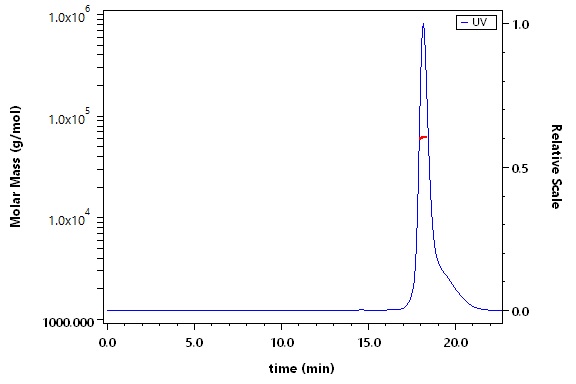
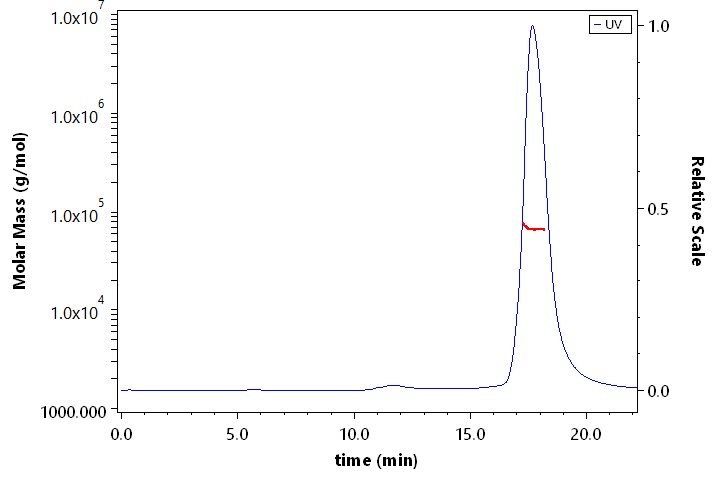
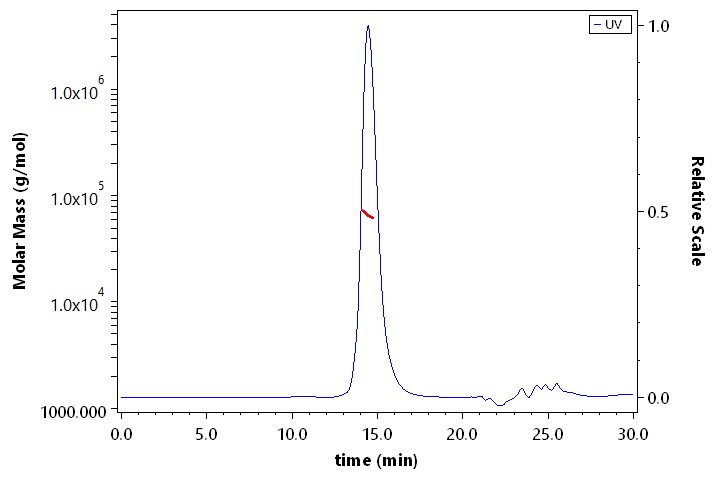
Selected human ADAM9 ectodomain proteins have been evaluated for antibody binding by ELISA or SPR and for catalytic activity using a fluorogenic peptide substrate. Selected ADAM9 proteins have also been characterized by SDS-PAGE, SEC-HPLC, or SEC-MALS, depending on the product. These data apply to the specified protein and assay conditions and should not be generalized across the entire ADAM9 portfolio.

Which ADAM9 species are available for cross-species reactivity studies?

The current ACROBiosystems portfolio includes recombinant ADAM9 proteins from human, cynomolgus, mouse, and rat. Unconjugated and biotinylated formats are available for selected species to support comparative antibody-binding studies. Equivalent construct boundaries and tag formats should be used where possible so that observed differences are more likely to reflect species-dependent binding rather than assay configuration.

Which ADAM9 format is suitable for ELISA, SPR, or BLI: His-tagged or biotinylated?

Biotinylated His/AviTag™ ADAM9 supports streptavidin-based capture, making it suitable for immobilization in ELISA, SPR, or BLI assays. Unconjugated His-tagged ADAM9 is appropriate for direct coating, solution-phase analysis, or alternative capture strategies. ACROBiosystems provides both formats, allowing the protein configuration to be matched to the planned assay design.

What is the difference between ADAM9 aa 206–697 and aa 206–413 constructs?

The aa 206–697 construct covers a broader portion of the ADAM9 ectodomain, including the metalloprotease domain and additional extracellular regions. The aa 206–413 construct focuses on the metalloprotease region and is more directly aligned with catalytic-domain binding or inhibition studies. Both formats are available within the current ACROBiosystems human ADAM9 protein portfolio.

What ADAM9 construct is used for enzyme activity and inhibitor screening?

Enzyme and inhibitor screening requires an active ADAM9 construct with product-specific substrate-cleavage data. A metalloprotease-domain construct provides a focused catalytic format, while an active ectodomain construct retains additional extracellular regions. Reported activity should be interpreted according to the substrate and assay conditions used for each product.

Which ADAM9 protein format is suitable for antibody screening and affinity analysis?

A broader ADAM9 ectodomain construct provides wider epitope coverage for antibody screening than an isolated metalloprotease domain. His-tagged proteins allow flexible capture or solution-phase analysis, while biotinylated His/AviTag™ proteins are compatible with streptavidin-based ELISA, SPR, and BLI assays. Cell-based binding should be evaluated separately when membrane-associated target presentation is relevant.
Asset Licensing Opportunity
Resources

Clinical Drug Information

English NameResearch CodeHighest Development StageCompanyIndicationClinical Trial
Izeltabart tapatansineIMGC-936Phase 2 ClinicalImmunogen Inc
Solid tumours
Details
DB-1317DB-1317Phase 1 ClinicalDuality Biologics (Suzhou) Co Ltd
Neoplasm Metastasis; Solid tumours
Details
MGC-028MGC028; MGC-028Phase 1 ClinicalMacrogenics Inc
Carcinoma, Non-Small-Cell Lung; Cholangiocarcinoma; Colorectal Neoplasms; Pancreatic Neoplasms; Solid tumours
Details
Customer Reviews