



ADC Pharmacokinetic Analysis Solutions
Key Analytes for ADC PK Characterization
Multiple analytes are evaluated during ADC PK studies to characterize systemic exposure, payload retention, and in vivo stability.
|
Analyte |
Measurement |
Application |
|---|---|---|
|
Total Antibody |
Conjugated and unconjugated antibody (DAR ≥0) |
Evaluate overall antibody exposure and clearance |
|
Conjugated Antibody |
Payload-conjugated antibody (DAR ≥1) |
Evaluate ADC exposure and payload retention |
|
Total Payload |
Conjugated and released payload forms |
Evaluate overall payload exposure |
|
Free Payload |
Unconjugated payload in circulation |
Assess payload release and systemic exposure |
Combined analysis of Total Antibody and Conjugated Antibody enables evaluation of ADC exposure, payload retention, and in vivo deconjugation.
Payload-Specific ADC Quantification ELISA Kits
Quantification of conjugated antibody is essential for evaluating ADC exposure and payload retention in PK studies.
ACROBiosystems ADC Quantification ELISA Kits enable payload-specific measurement of MMAE-, MMAF-, and Exatecan-conjugated ADCs in preclinical serum and plasma samples. These kits support ADC PK studies, linker stability evaluation, and assessment of payload retention.
|
Application |
Purpose |
|---|---|
|
PK Studies |
Quantify ADC exposure and support PK parameter analysis, including half-life (t1/2), clearance (CL), and AUC |
|
Toxicokinetic (TK) Studies |
Monitor systemic ADC exposure during nonclinical safety studies |
|
Tissue Distribution Studies |
Characterize ADC biodistribution profiles and evaluate in vivo distribution patterns |
|
Linker Evaluation |
Assess payload retention and evaluate linker stability |
|
Candidate Selection & Developability Assessment |
Compare ADC candidates with different payloads, linkers, DAR values, and conjugation strategies |
Validated in cynomolgus monkey serum and plasma matrices.
 Payload-Specific ADC Quantification
Enables selective detection of payload-conjugated ADCs with minimal cross-reactivity.
Reliable Analytical Performance
R² >0.999, intra-assay CV <6%, and inter-assay CV <7%.
Ready-to-Use ELISA Format
Pre-coated plates and complete reagents enable a 2.5-hour workflow.
Validated Assay Performance
Verified for linearity, precision, accuracy, recovery, and specificity.
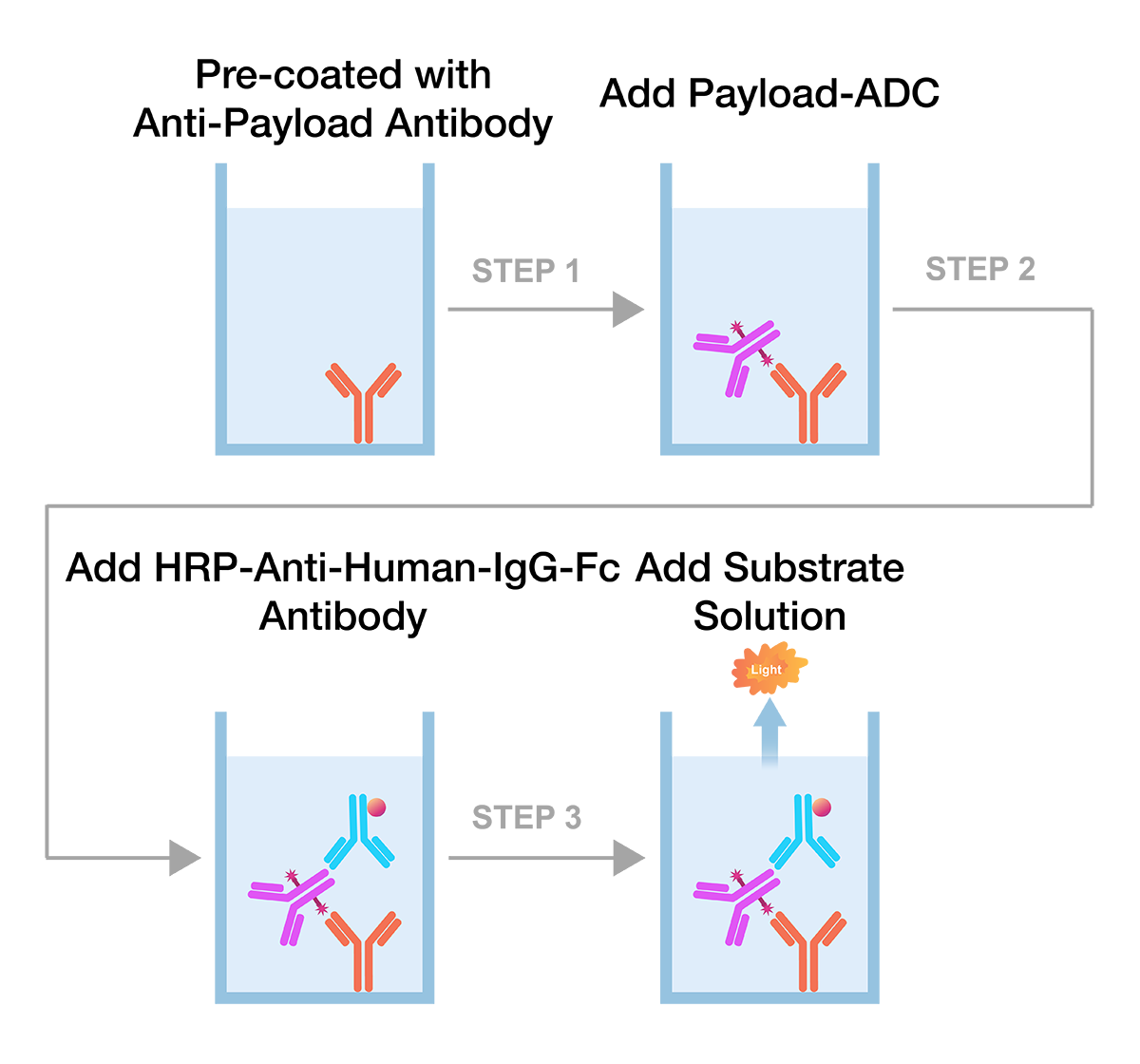
Example: MMAE-ADC Quantification ELISA Kit(Cat. No. PKA-A001)
|
ID |
Components |
Size |
|---|---|---|
|
PKA001-C01 |
Pre-coated Anti-MMAE Antibody Microplate |
1 plate (8×12 strips) |
|
PKA001-C02 |
MMAE-ADC Standard |
20 μg |
|
PKA001-C03 |
HRP-Anti-Human-IgG-Fc Antibody |
20 μg |
|
PKA001-C04 |
10×Washing Buffer |
50 mL |
|
PKA001-C05 |
2×Dilution Buffer |
50 mL |
|
PKA001-C06 |
Substrate Solution |
12 mL |
|
PKA001-C07 |
Stop Solution |
7 mL |
Additional Reagents and Services for ADC PK Assay Development
Beyond ADC Quantification ELISA Kits, ACROBiosystems provides reagents and services to support ADC PK assay development, PK characterization, and immunogenicity assessment.
ACROBiosystems anti-payload antibodies enable payload-specific detection and support assay development across ADC programs.
Broad Payload Coverage: Available for major ADC payload classes, including MMAE, MMAF, DXd, and PBD.
Validated in ADC Assays: Verified performance in representative ADC assay formats.
Multiple Formats: Available in unconjugated, biotinylated, and HRP-conjugated formats.
Clone Panels: Multiple clones support screening and antibody pair selection.
Consistent Performance: Evaluated for inter-batch consistency and cross-reactivity.
Anti-idiotypic antibodies specifically recognize the variable region of therapeutic antibodies and are valuable tools for drug-specific PK assays and immunogenicity assessment.
ACROBiosystems provides highly specific anti-idiotypic antibodies and customized development services to support ADC PK assay development throughout the drug development process.
Applications
|
Scenario |
Application |
|---|---|
| PK Assay Development | Support drug-specific concentration measurement and in vivo exposure evaluation. |
| Immunogenicity Assessment | Support ADA assay development and immunogenicity assessment. |
| Bioanalytical Method Development | Enable the development and optimization of analytical platforms, including bridging assays, sandwich ELISAs, and related formats. |
Customized services are available from antigen preparation through monoclonal and polyclonal anti-idiotypic antibody generation and PK/ADA assay kit development.
Service
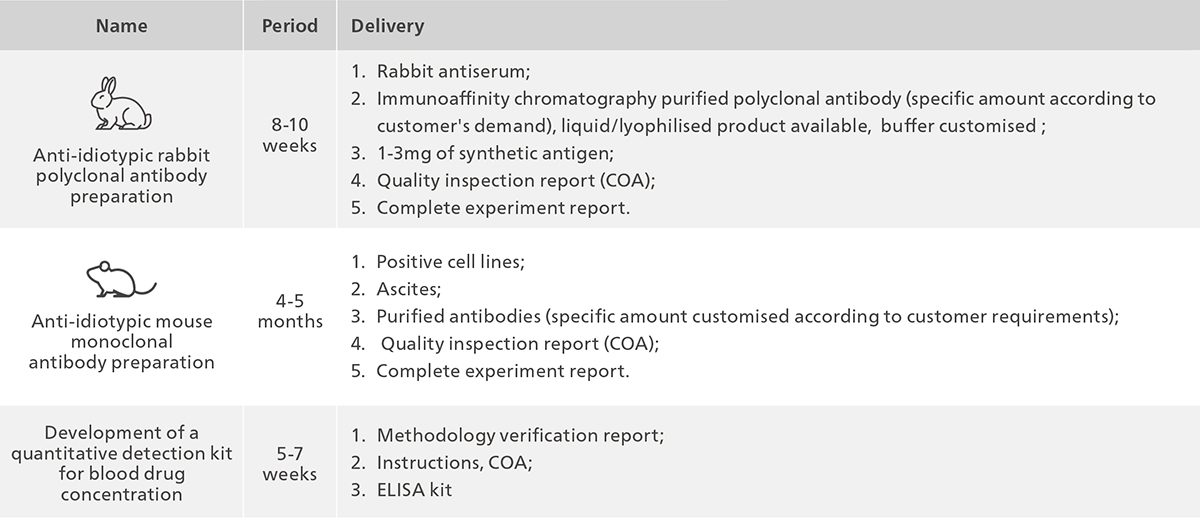
Product Portfolio
 Order
OrderPerformance Validation & Application Examples
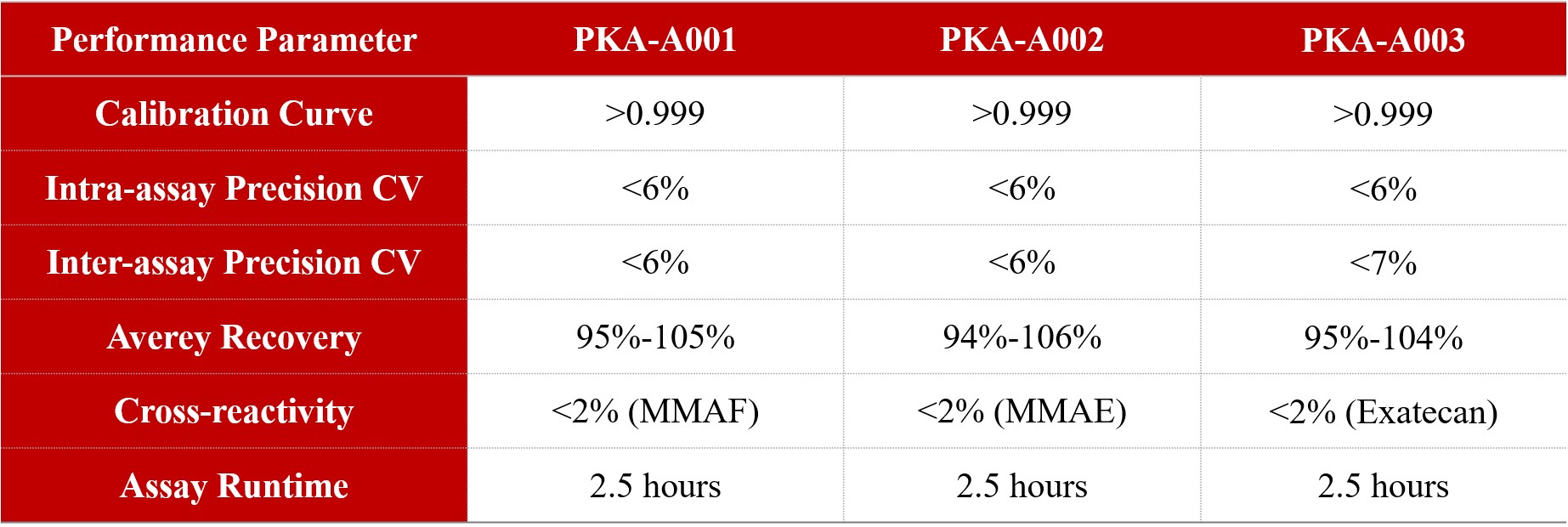
Payload-specific antibodies selectively detect ADCs containing the corresponding payload, with minimal cross-reactivity toward ADCs bearing alternative payload classes.
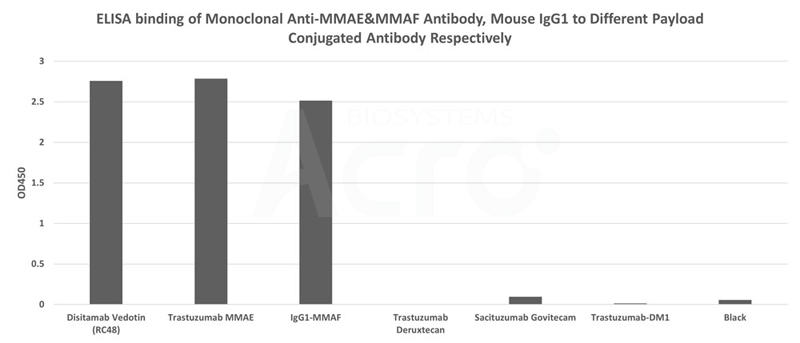
Anti-MMAE/MMAF antibody (Cat. No. MME-M5252) demonstrates specific recognition of MMAE- and MMAF-conjugated ADCs, with no significant cross-reactivity observed toward DXd-, SN-38-, or DM1-conjugated ADCs.
Request Protocol
The Exatecan-ADC Quantification ELISA Kit (Cat. No. PKA-A003) demonstrates excellent linearity across the validated concentration range, supporting quantitative analysis of ADC samples.
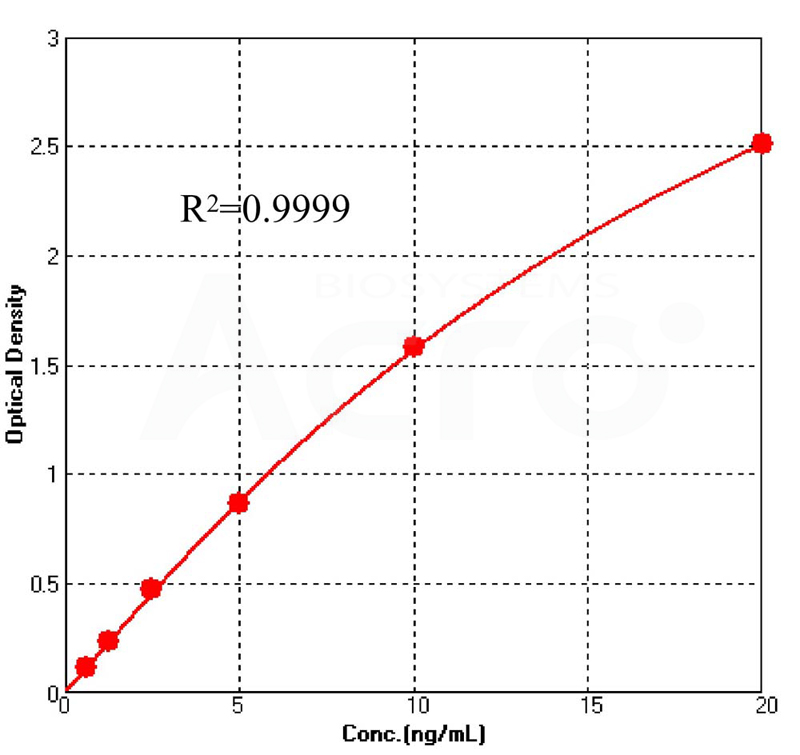
For each experiment, a standard curve should be generated for each microplate. The absolute OD values may vary depending on the laboratory, operator, or equipment. The example data provided below are for reference only.
Quantitative PK assays for RC48 and trastuzumab deruxtecan in serum samples.
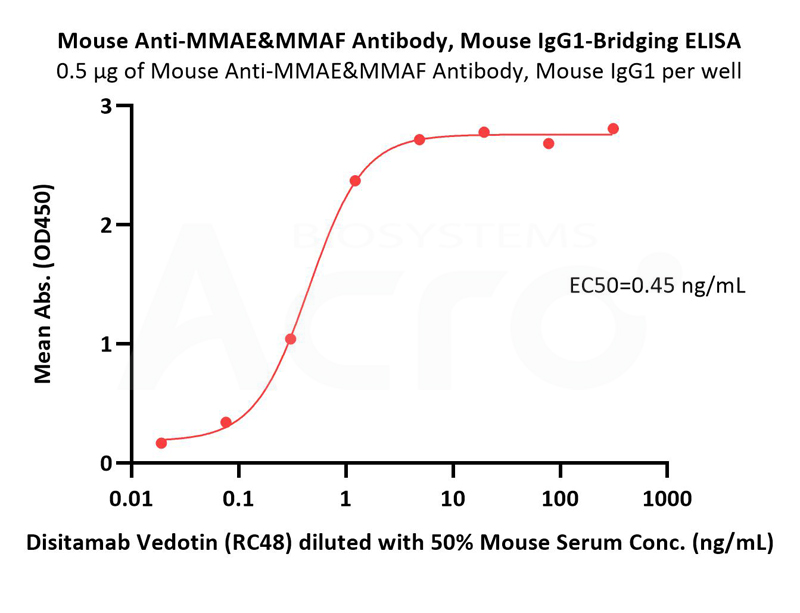
Immobilized Mouse Anti-MMAE&MMAF Antibody, Mouse IgG1 (Cat. No. MME-M5252) at 5 μg/mL, add Disitamab Vedotin (RC48) in the 50% Mouse serum and then add Biotinylated Human Her2, His,Avitag, premium grade (Cat. No. HE2-H82E2) at 0.5 μg/mL. Detection was performed using HRP-conjugated Streptavidin (Acro, Cat. No. STN-NH913) (Routinely tested).
Request Protocol
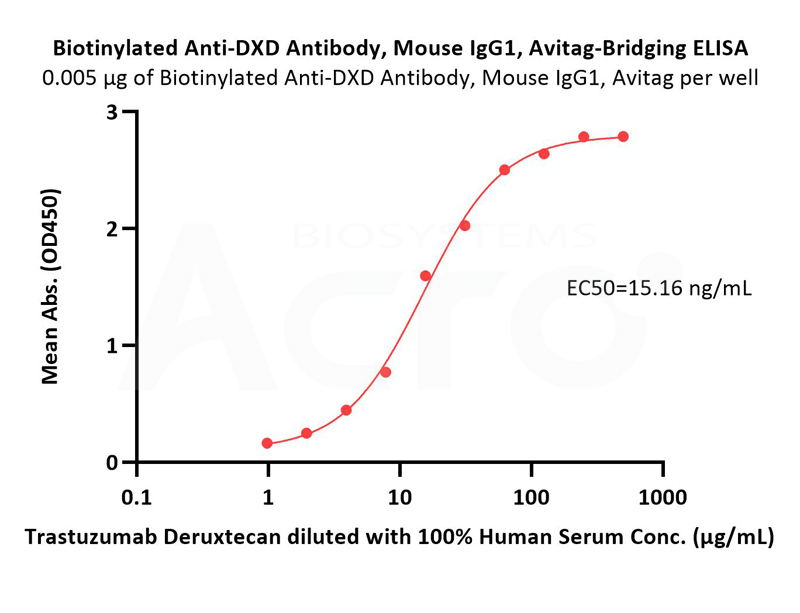
Immobilized Human Her2, His Tag (Cat. No. HE2-H5225) at 1 μg/mL, add Trastuzumab Deruxtecan in the 100% Human Serum and then add Biotinylated Anti-DXD Antibody, Mouse IgG1, Avitag (Cat. No. DXD-BVM807) at 0.05 μg/mL. Detection was performed using HRP-conjugated Streptavidin (Acro, Cat. No. STN-NH913) (QC tested).
Request Protocol
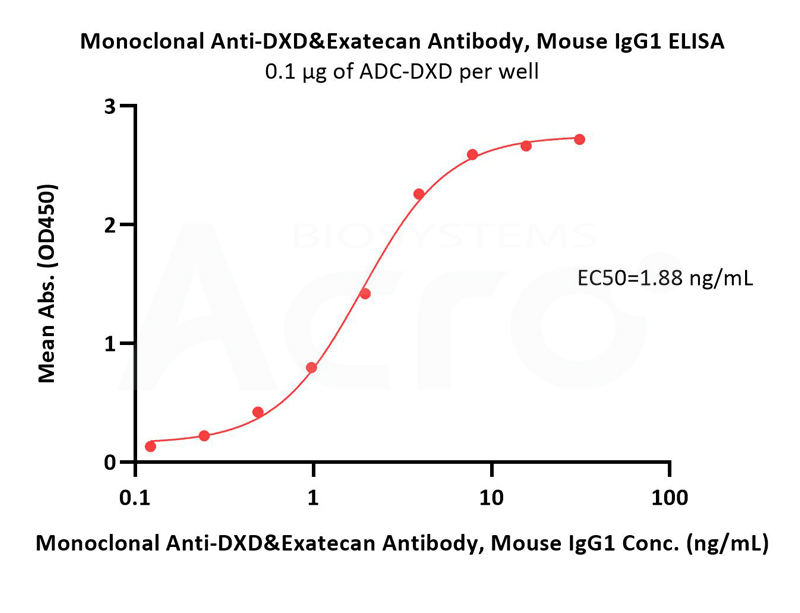
Immobilized ADC-DXD at 1 μg/mL (100 μL/well) can bind Mouse Anti-DXD&Exatecan Antibody, Mouse IgG1, mAb (Cat. No. DXD-M684) with a linear range of 0.1-4 ng/mL (Routinely tested).
Request Protocol
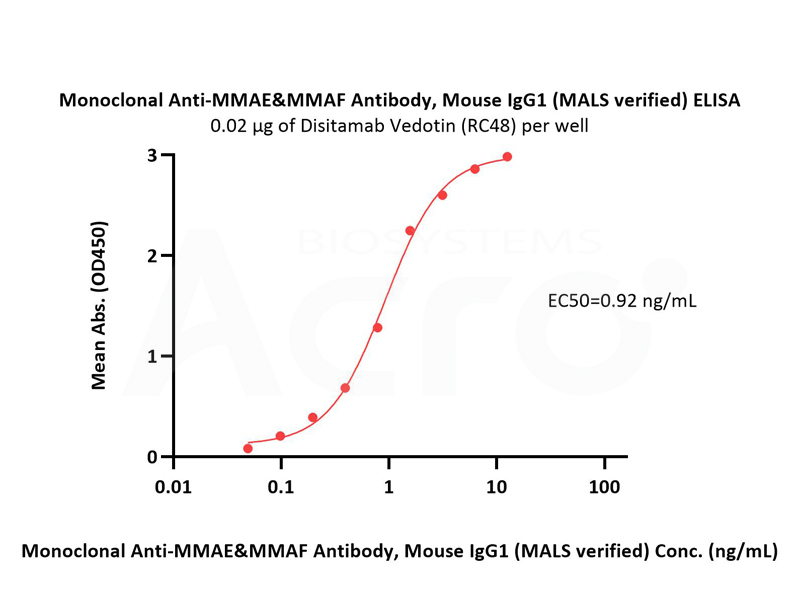
Immobilized Disitamab Vedotin (RC48) at 0.2 μg/mL (100 μL/well) can bind Monoclonal Anti-MMAE&MMAF Antibody, Mouse IgG1 (Cat. No. MME-M5252) with a linear range of 0.1-2 ng/mL (QC tested).
Request Protocol
Custom Anti-Idiotypic Antibody Enables Sensitive ADC PK Quantification
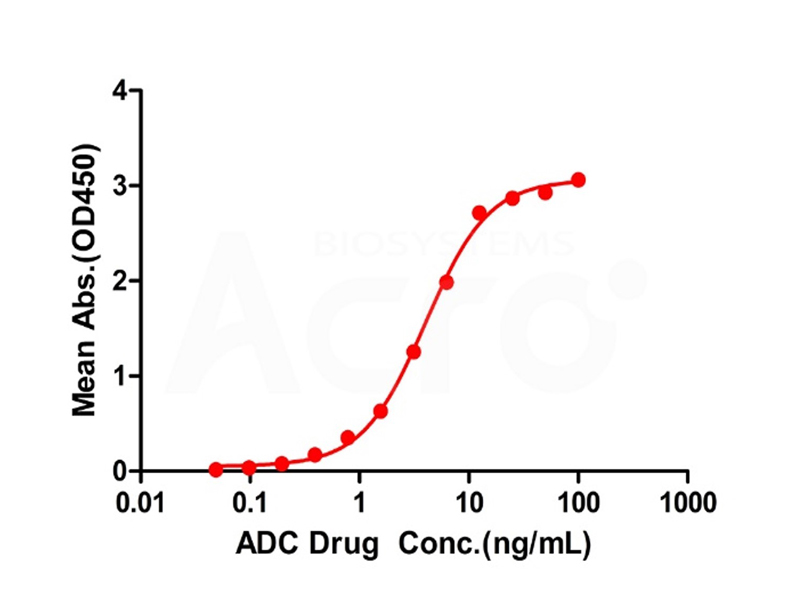
Naked F(ab′)₂ was used for immunization to generate anti-idiotypic antibodies. The selected anti-idiotypic antibody was paired with Mouse Anti-MMAE Antibody, Mouse IgG1 (MALS verified; Cat. No. MME-M5252) to establish a drug-specific ADC PK assay. Detection was performed using HRP-conjugated streptavidin, achieving a sensitivity of 0.69 ng/mL.
Request Protocol
Resources
Webinar playback and appointment
‘ADC Potency Analysis and Quality Control Technology Breakthrough’ Webinar Series
ACROBiosystems proudly presents the flagship 'ADC Potency Analysisand Quality Control Technology Breakthrough' live webinar series. This series will systematicallydeconstruct critical aspects ofADC drug development through five coremodules-from potency analysis to quality control technologiesempowering breakthroughs in ADC therapeutics by overcoming keytechnical bottlenecks.

Addressing Challenges in Antibody-Drug Conjugate Development
Here is the brief recap of the webinar:ADCs have the potential to enable 'precision medicine' with a wide market reach.Challenges in ADCs include managing Target Affinity, enhancing payload conjugation, and assessing Payload Delivery in vivo Pharmacokinetics. We can provide high-quality solutions to address these challenges.

Building the Perfect Antibody-based Therapeutic from Selection to Engineering and Manufacturing
In this webinar, discover how advanced techniques such as Al-driven candidate selection optimization of antibody sequences, and precise conjugation methods come together to address some of the current challenges in antibody-based therapeutics.

Resource download


![[Flyer]Fucntional Cell Lines and Development Service](https://console.acrobiosystems.com/public/images/ADC_Conjugation_Kit/ADC_Conjugation_Kit2025111401.png)

Poster/Application Note Download


FAQ
What analytes should be measured in ADC pharmacokinetic studies?
What is the difference between total antibody and conjugated antibody measurements in ADC PK analysis?
How should an ADC PK assay be selected based on the analyte of interest?
How can payload-specific ELISA kits support ADC PK analysis?
When are anti-idiotypic antibodies useful for ADC PK assay development?
How does ACROBiosystems support ADC pharmacokinetic analysis?
- Supporting Conjugated Antibody Quantification and ADC PK Characterization
- Key Analytes for ADC PK Characterization
- Payload-Specific ADC Quantification ELISA Kits
- Additional Reagents and Services for ADC PK Assay Development
- Product Portfolio
- Performance Validation & Application Examples
- Related Products
- Resources
- FAQ