What Determines FcγR-CR T Function Beyond the Therapeutic Antibody?
 Publication Date:2026-07-14
 Page Views:118
Why Can the Same Therapeutic Antibody Elicit Different FcγR-CR T Cell Responses?
Fcγ receptor-driven chimeric receptor T (FcγR-CR T) cells have emerged as a promising strategy for antibody-guided cell therapy. Unlike conventional CAR-T cells, which directly recognize tumor-associated antigens, FcγR-CR T cells rely on therapeutic antibodies to bridge engineered T cells and tumor cells.
However, accumulating preclinical studies suggest that changing the antibody is not the only factor influencing therapeutic activity. Even when the same therapeutic antibody is used, FcγR-CR T cells constructed with different Fcγ receptors may exhibit different functional responses.
What accounts for these differences?
A recent review published in Cancer Cell International points to one possible explanation: naturally occurring polymorphisms in Fcγ receptors. Drawing on representative studies summarized in the review, this article discusses how receptor polymorphisms may influence FcγR-CR T cell function and why they should be considered during receptor design.
Why Does FcγR Become an Important Variable in FcγR-CR T Design?
To understand why receptor polymorphisms matter, it is first necessary to consider how FcγR-CR T cells differ from conventional CAR-T cells.
Traditional CAR-T cells recognize tumor-associated antigens through a target-specific single-chain variable fragment (scFv). Consequently, targeting a different antigen generally requires constructing a new CAR.
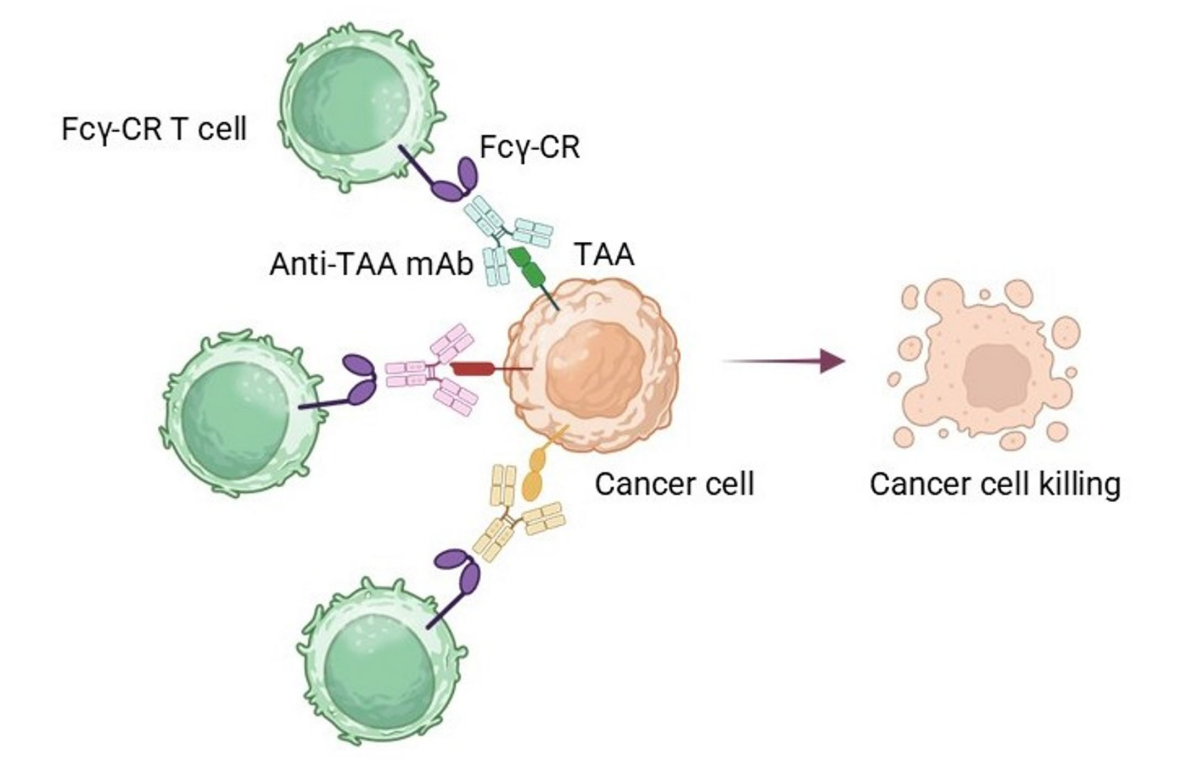
Figure 1. Fcγ receptor-driven chimeric receptor T cell-mediated tumor cytotoxicity
FcγR-CR T cells adopt a different design strategy. Instead of recognizing tumor antigens directly, engineered T cells express an Fcγ receptor as the extracellular recognition domain. After a therapeutic antibody binds its target antigen on the tumor cell surface, the Fc region of the antibody engages the Fcγ receptor, triggering receptor clustering, intracellular signaling, and T-cell activation.
Because antigen recognition is determined by the therapeutic antibody rather than the receptor itself, the same FcγR-CR T platform can theoretically be redirected toward different tumor antigens simply by changing the therapeutic antibody (Figure 2). At the same time, this modular design introduces another important variable. Since T-cell activation depends on interactions between antibody Fc regions and Fcγ receptors, the intrinsic properties of the receptor—including receptor subtype and naturally occurring polymorphisms—may influence downstream cellular responses.
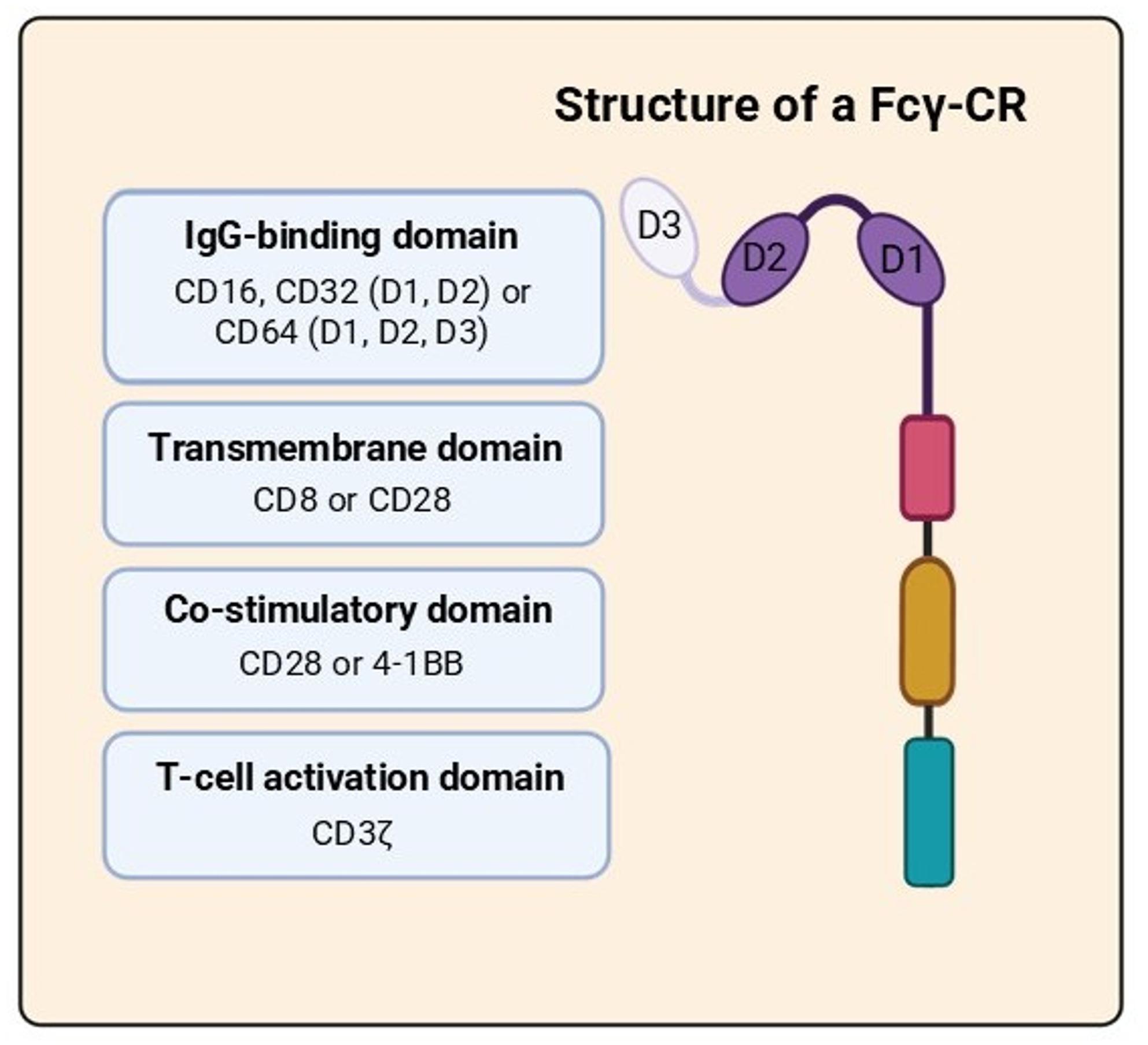
Figure 2. Modular structure of an Fcγ receptor–based chimeric receptor (FcγR-CR)
Can a Single Amino Acid Difference Alter FcγR Function?
Among the Fcγ receptors investigated for FcγR-CR T cell engineering, CD16a (FcγRIIIa) is one of the most widely studied because of its ability to bind the Fc region of IgG antibodies.
CD16a contains a naturally occurring polymorphism at amino acid position 158, giving rise to two variants: CD16a-158V and CD16a-158F.
Previous studies have shown that these variants differ in their affinity for IgG despite differing by only a single amino acid. Compared with CD16a-158F, the CD16a-158V variant exhibits higher binding affinity for IgG1 and IgG3.
This raises an important question for FcγR-CR T design.
If the two variants bind antibodies differently, do they also differ in their ability to activate FcγR-CR T cells?
Does Higher Fc Binding Affinity Translate into Functional Differences?
To determine whether receptor polymorphism affects FcγR-CR T activity under challenging therapeutic conditions, Arriga and colleagues evaluated FcγR-CR T cells in a KRAS-mutant HCT116 colorectal cancer model, where cetuximab monotherapy has limited efficacy because of constitutive KRAS signaling.
They compared FcγR-CR T cells expressing either the CD16a-158V or CD16a-158F variant in combination with cetuximab.
Differences between the two receptor variants became apparent in cytokine production. In the presence of cetuximab, FcγR-CR T cells expressing CD16a-158V produced higher levels of IFN-γ and TNF-α than cells expressing CD16a-158F.
The authors then asked whether these in vitro observations could also be detected in vivo.
Using a CB17-SCID xenograft model, they found that mice receiving cetuximab together with CD16a-158V FcγR-CR T cells showed greater inhibition of tumor growth than mice treated with CD16a-158F FcγR-CR T cells.
Together, these findings suggest that naturally occurring CD16a polymorphisms may influence antibody-mediated activation of FcγR-CR T cells and thereby contribute to differences in antitumor activity.
How Might Stronger Fc Binding Enhance T-Cell Function?
The experimental findings raise another question.
How can differences in Fc binding lead to differences in cellular activity?
According to the review, FcγR-CR T-cell activation begins when antibody Fc regions engage Fcγ receptors and induce receptor clustering. This process initiates intracellular signaling that ultimately promotes T-cell activation and cytotoxic function.
Activated FcγR-CR T cells eliminate target cells through multiple mechanisms, including perforin/granzyme-mediated cytotoxicity and Fas-FasL-mediated apoptosis.
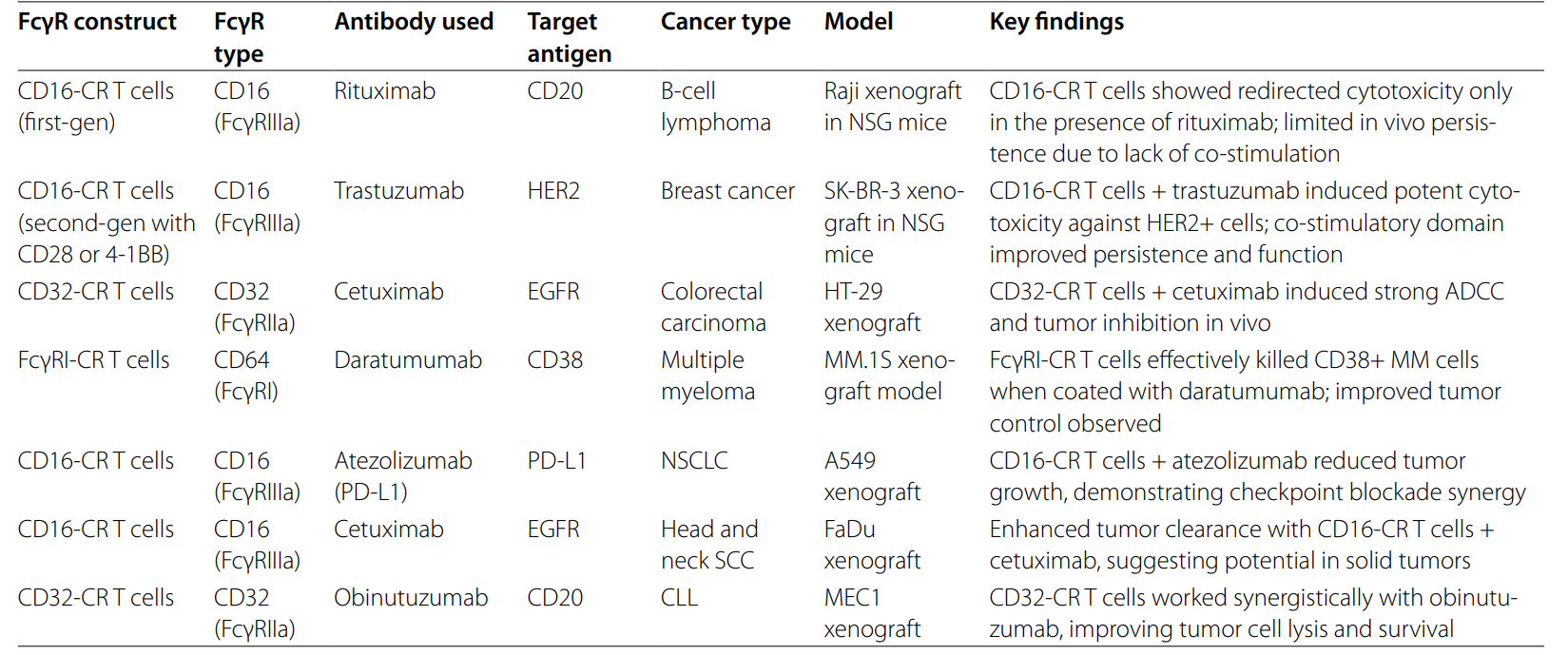
Figure 3. Preclinical Studies Using FcγR-CR T Cells in Cancer Models
Beyond CD16a, the review also summarizes studies involving other Fcγ receptor subtypes, including CD32a and CD64. These receptors differ in their IgG-binding properties, suggesting that receptor selection may also influence the activity of FcγR-CR T cells.
Research Tools for FcγR Studies
Studies investigating Fcγ receptor polymorphisms and Fc-FcγR interactions rely on well-characterized research tools for receptor binding analysis and functional evaluation.
ACROBiosystems provides a portfolio of Fcγ receptor research products, including recombinant Fcγ receptors representing multiple receptor subtypes and naturally occurring variants, TR-FRET Fc-FcγR binding assay kits, FcγR-overexpressing cell lines, and ADCC/ADCP reporter cell lines.
These tools support Fc-FcγR interaction analysis, Fc engineering studies, antibody functional characterization, and FcγR-CR T research, enabling comparative evaluation of Fcγ receptor variants in antibody-mediated immune responses.
>>> Explore FcγR Research Tools!
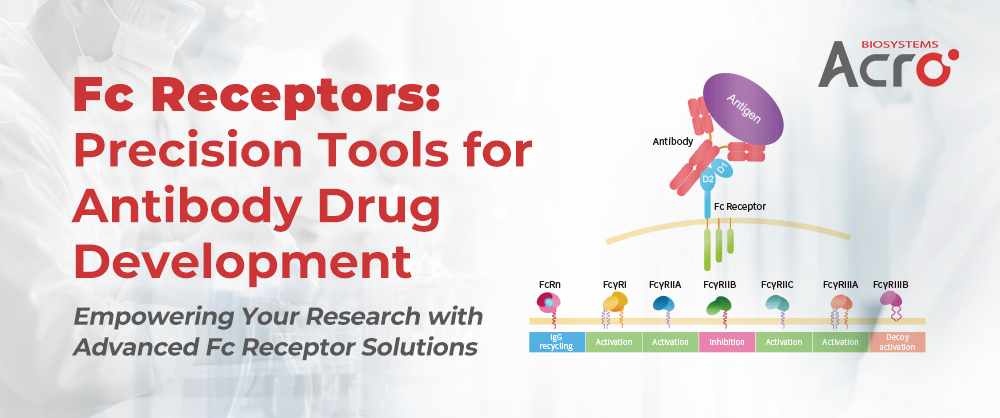
FAQ
Q1: Why are FcγR-CR T cells attracting increasing interest in antibody-guided cell therapy?
A: Unlike conventional CAR-T cells, FcγR-CR T cells recognize the Fc region of therapeutic antibodies rather than tumor antigens directly. This modular design allows the same engineered T-cell platform to be redirected toward different tumor targets by changing the antibody instead of reconstructing the receptor. As more therapeutic antibodies become available, FcγR-CR T cells are being explored as a flexible approach for expanding target coverage while simplifying receptor design. Current research is also focusing on factors beyond antibody selection, including Fcγ receptor subtype, receptor polymorphisms, and Fc engineering, which may collectively influence therapeutic performance.
Q2: How should Fcγ receptor polymorphisms be considered during FcγR-CR T receptor design?
A: Naturally occurring FcγR polymorphisms can alter the affinity between Fcγ receptors and IgG antibodies, potentially affecting receptor activation and downstream T-cell function. Consequently, evaluating receptor variants has become an important consideration during FcγR-CR T development rather than relying solely on therapeutic antibody selection. Comparative studies typically require recombinant Fcγ receptor variants for binding characterization, together with functional cell-based assays to assess signaling and effector activity. These complementary approaches help researchers understand how receptor polymorphisms may influence candidate receptor performance before further development.
Q3: Why is Fc-FcγR interaction analysis important during therapeutic antibody development?
A: The interaction between antibody Fc regions and Fcγ receptors plays a central role in determining antibody effector functions, including ADCC and ADCP. Changes in Fc glycosylation, Fc engineering, or antibody isotype can alter receptor binding and consequently influence biological activity. For this reason, Fc-FcγR interaction analysis has become a routine component of antibody characterization during discovery and lead optimization. Recombinant Fcγ receptor proteins and homogeneous binding assays provide standardized approaches for comparing Fc receptor binding across different antibody candidates and engineered Fc variants.
Q4: Which research tools are commonly used to evaluate Fc-FcγR interactions?
A: Fc-FcγR interactions are typically characterized using complementary biophysical and cell-based assays. SPR and BLI provide quantitative affinity measurements, while homogeneous TR-FRET assays enable rapid, high-throughput comparison of antibody binding to different Fcγ receptor variants without wash steps. Functional assays, including ADCC and ADCP reporter assays, further evaluate whether receptor binding translates into downstream immune activation. Combining binding and functional assays provides a more comprehensive assessment of Fc-mediated antibody activity throughout therapeutic antibody development.
Q5: What research tools support Fcγ receptor characterization and Fc engineering studies?
A: Comprehensive evaluation of Fcγ receptor biology often requires multiple research tools depending on the study objective. Recombinant Fcγ receptor proteins representing different receptor subtypes and naturally occurring variants support comparative binding studies, while TR-FRET binding assay kits enable homogeneous Fc-FcγR interaction analysis. FcγR-overexpressing cell lines and ADCC/ADCP reporter cell lines provide complementary functional evaluation of antibody effector activity. Together, these tools support Fc engineering, antibody characterization, mechanism-of-action studies, and other Fc receptor-related research applications.
 Popular ArticlesRelated RecommendationsPopular Events
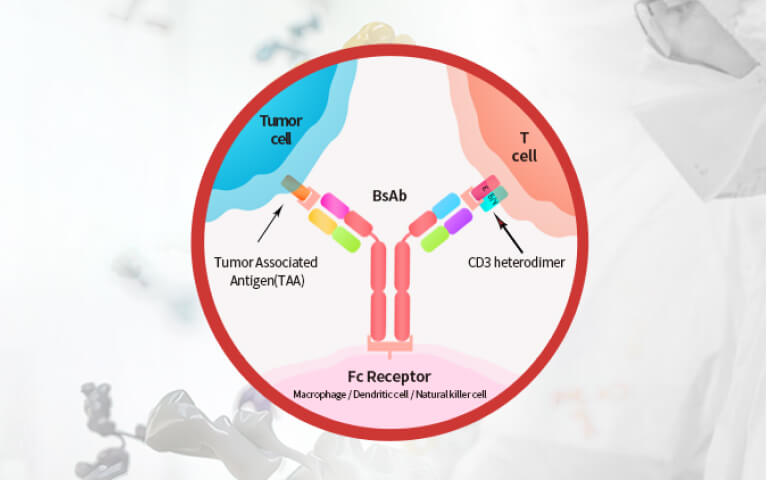 Beyond Bispecifics: How Multispecific Antibodies Are Breaking the Efficacy Ceiling2026-08-10Page Views:39
 Autoimmune Disease 3.0: Biomarkers Driving the Future of Precision Drug Development2026-08-06Page Views:38
 Application-Oriented Functional Cell Lines | Case Study Series2026-08-03Page Views:75
 AI-Assisted Bispecific Antibody Development: From Target Pairing Prediction to Experimental Validation2026-07-31Page Views:87
 The Brain's Fountain of Youth: How Modern Neuroscience Is Decoding Healthy Brain Aging2026-07-31Page Views:48



 Related Products