


 Jul 31, 2026
 Page Views:392


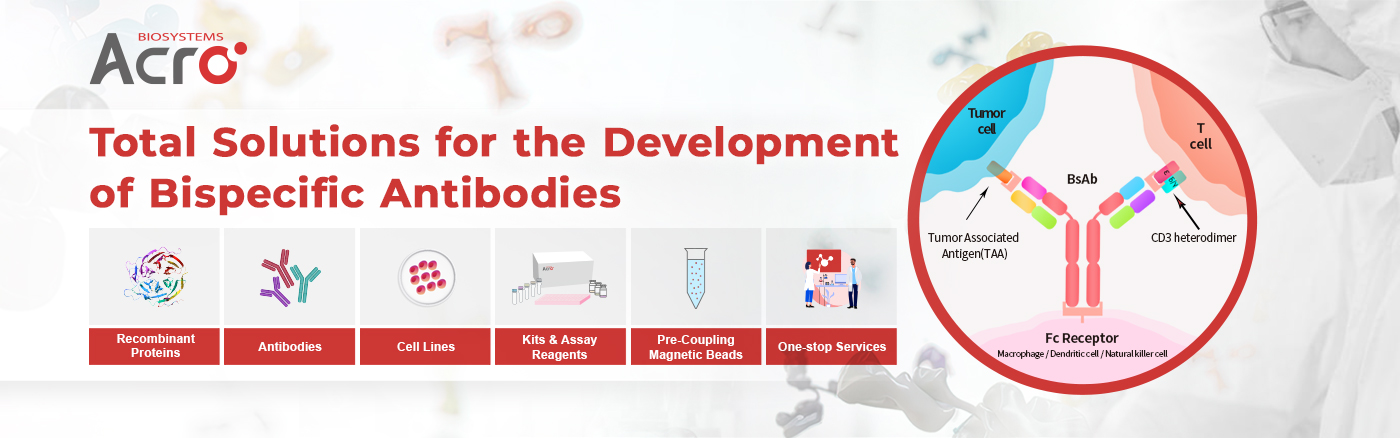
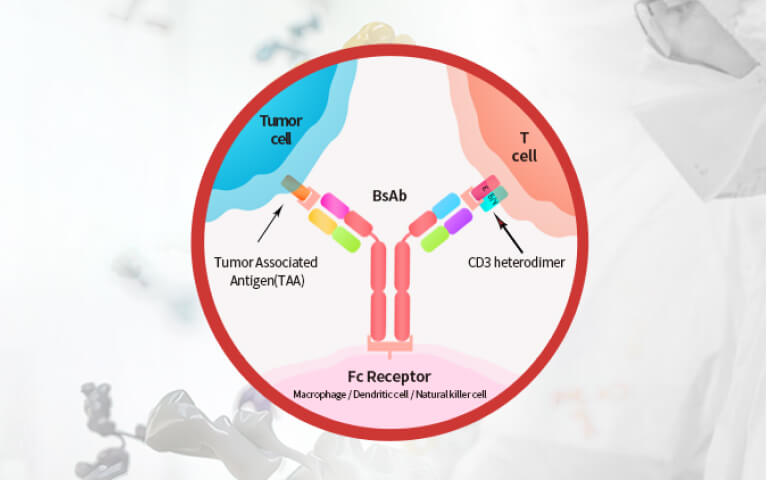
Bispecific antibodies (BsAbs) engage two distinct antigens or epitopes simultaneously, eliciting biology distinct from conventional monoclonal antibodies (mAbs) through mechanisms including cell bridging, receptor bridging (in-cis), and multipathway modulation. This unique mode of action has positioned bsAbs as a major frontier in oncology, autoimmunity, and beyond1,2.
Unlike mAbs, bsAb development requires simultaneous optimization of two binding modules while navigating trade-offs in molecular format, spatial arrangement, structural stability, expression yield, and inter-target synergy. Diverse architectures—including IgG-like formats, DVD-Igs, tandem scFvs, and 2+1 geometries—impose distinct constraints on antigen engagement geometry and downstream functional outcomes2,3. Consequently, even when individual binding arms perform well in isolation, their assembly into a single bsAb scaffold can degrade performance due to steric clashes, conformational strain, or misaligned binding orientations.
The convergence of artificial intelligence (AI) and machine learning (ML) is beginning to address these challenges, enabling data-driven approaches across target discovery, antibody engineering, and developability assessment, while establishing synergistic workflows that integrate computational design with experimental validation.
Key Design Stages in AI-Assisted BsAb Development
From Experience-Driven to Data-Driven Target Pairing
Identifying target combinations with genuine biological synergy remains a central bottleneck in bsAb discovery. Historically, target selection relied heavily on literature mining and investigator expertise. Today, advances in single-cell transcriptomics, spatial omics, and curated biomedical databases have enabled ML frameworks to synthesize multidimensional biological signals—spanning target co-expression patterns, cellular colocalization, pathway connectivity, and safety liabilities—to nominate candidate pairings.
A representative example is the BiSpec Pairwise AI (BSPAI) framework developed by Zhang et al.4, which aggregates reported bsAb data alongside multi-omic features, applies pairwise learning to rank target combinations by predicted therapeutic value, and leverages large language models (LLMs) to generate interpretable rationales. This work illustrates how AI can de-risk early-stage target pairing decisions that were previously guided primarily by intuition.
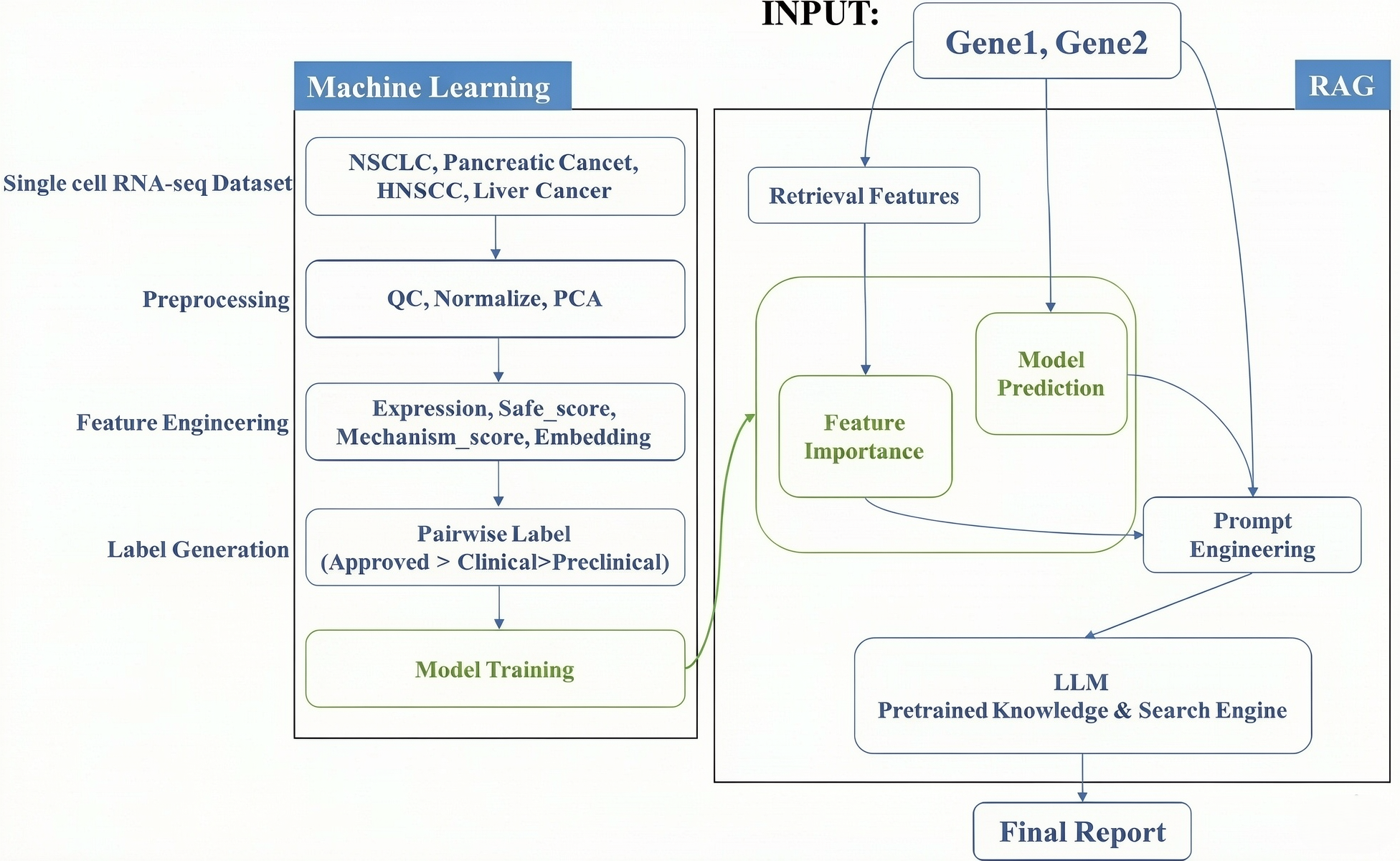
Source: https://doi.org/10.1007/s00432-024-05740-3
Figure 1. Schematic of the BSPAI framework.
AI-Assisted Structural Design and Sequence Optimization
Conventional antibody discovery pipelines depend on phage display, yeast display, or animal immunization. While these methods remain indispensable, recent breakthroughs in protein structure prediction and generative AI have introduced complementary computational strategies. AlphaFold2 and related tools have substantially improved the accuracy of protein tertiary structure modeling, informing our understanding of folding energetics and molecular recognition interfaces5. However, the inherent conformational flexibility of antibody complementarity-determining regions (CDRs)—particularly in complex binding scenarios—limits predictive reliability, positioning structure prediction as a pre-screening filter rather than a replacement for experimental characterization6.
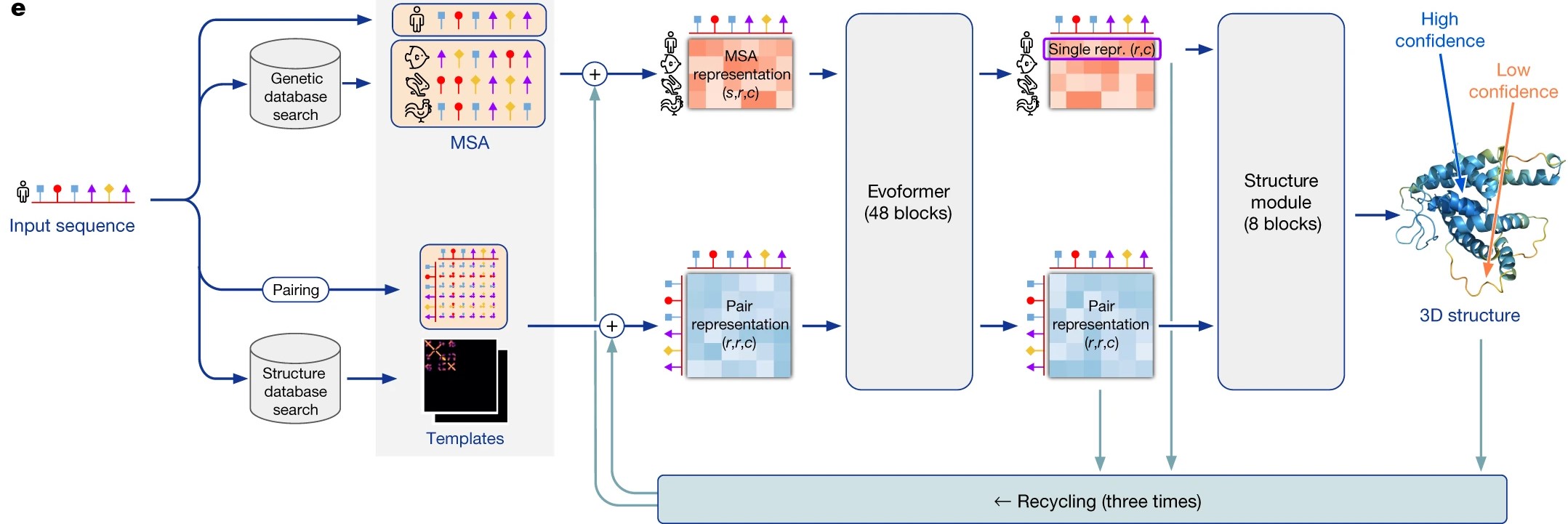
Source: https://doi.org/10.1038/s41586-021-03819-2
Figure 2. Architecture of the AlphaFold2 neural network.
Parallel progress in protein language models (PLMs) has enabled unsupervised learning of evolutionary sequence constraints, revealing latent determinants of thermostability, expression, and functional integrity. Wu et al. demonstrated that PLM-derived embeddings can guide human antibody sequence optimization, highlighting the expanding role of AI in antibody engineering7. These approaches are particularly valuable for bsAbs, where sequence-level perturbations in one arm can propagate structural effects across the molecule.
Beyond Affinity: Multiparametric Developability Prediction
Early-stage antibody programs traditionally prioritize binding affinity as a primary selection criterion. Yet high-affinity binding does not guarantee drug-like behavior. Therapeutic antibodies must additionally satisfy constraints spanning binding kinetics, conformational stability, expression titer, aggregation propensity, and in vivo pharmacokinetics8. For bsAbs, the design space expands further to include spatial registry of binding sites, receptor clustering topology, and immunomodulatory intensity. In T-cell–engaging formats, for instance, excessive immune activation risks cytokine release syndrome, whereas insufficient signaling fails to drive cytotoxic killing—demanding careful balancing of potency, safety, and manufacturability1.
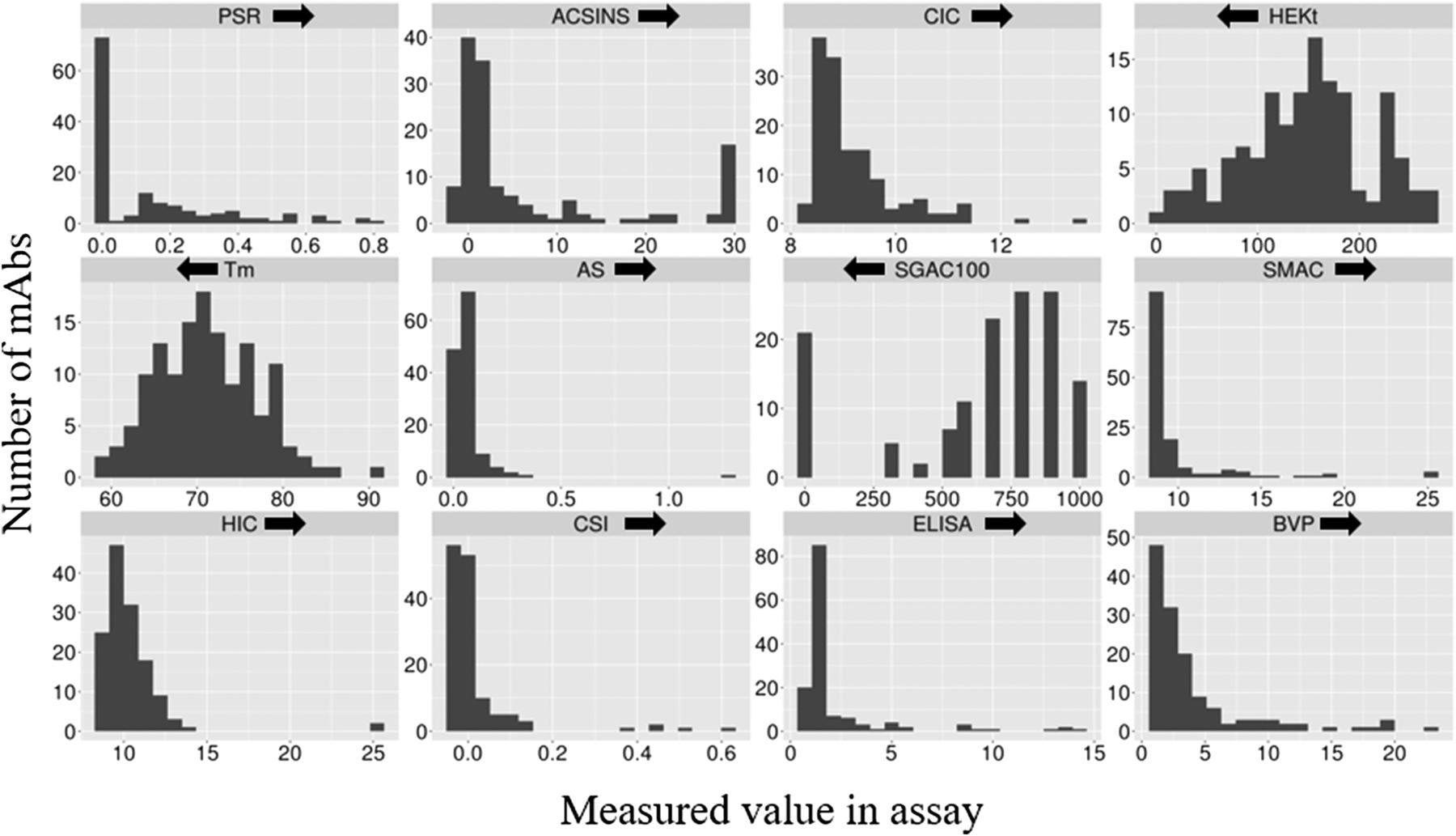
Source: https://doi.org/10.1073/pnas.1616408114
Figure 3. Histograms of 12 different biophysical assay values for 137 monoclonal antibodies in commercial clinical development.
AI models offer a path toward multiparametric developability assessment, integrating sequence-derived features, structural predictions, and empirical assay readouts to flag liabilities before costly experimental campaigns. By moving beyond single-metric optimization, these approaches help identify candidates with a higher probability of surviving clinical translation.
Critical Challenges in AI-Driven bsAb Development
The Gap Between Binding Prediction and Functional Outcome
Most contemporary AI models excel at predicting sequence–structure relationships or binding interactions. However, therapeutic efficacy emerges from dynamic cellular systems where antigen engagement is merely the initiating event. Downstream processes—including immune synapse formation, receptor oligomerization, intracellular signaling cascades, and tissue-level responses—collectively determine clinical outcomes1. Bridging this gap will require AI frameworks capable of ingesting not only molecular features but also cellular phenotypic data and systems-level context, transitioning from molecular prediction toward functional response modeling.
Architectural Complexity Amplifies Predictive Difficulty
BsAb function is exquisitely sensitive to the spatial relationship between binding modules. Format choices dictate inter-paratope distance, relative orientation, and hinge flexibility—each influencing antigen accessibility and receptor activation geometry2,3. Effective AI-assisted design must therefore move beyond linear sequence analysis to incorporate three-dimensional structural constraints, conformational dynamics, and interface energetics as core inputs. This represents a substantially higher-dimensional problem than traditional mAb engineering.
Data Quality Defines the Ceiling of AI Utility
Model performance is fundamentally bounded by training data quality. For therapeutic bsAbs specifically, systematically curated datasets remain sparse. Critically absent is a comprehensive "sequence → structure → function → in vivo outcome" annotation framework spanning diverse formats and indications. Compounding this limitation, heterogeneous experimental protocols across laboratories introduce batch effects and measurement inconsistencies that impair model generalization. High-quality, standardized experimental data constitute the foundational substrate upon which reliable AI applications must be built9.
Closing the Loop: Computational Design Requires Experimental Ground Truth
While AI is increasingly embedded within bsAb discovery workflows, computational predictions ultimately require empirical validation. At the molecular level, biophysical techniques such as surface plasmon resonance (SPR) and bio-layer interferometry (BLI) quantify binding kinetics and affinity. Cellular assays verify intended functional endpoints, including immune activation, cytokine secretion profiles, and tumor cell cytotoxicity. Concurrently, developability attributes—stability, aggregation, and forced degradation behavior—must be monitored throughout. In membrane protein research, conformational fidelity and batch-to-batch consistency of recombinant reagents directly influence assay interpretability.
An idealized R&D cycle follows a closed-loop paradigm: computational design → experimental validation → data feedback → model refinement. AI does not replace experimentation; rather, the two form a complementary ecosystem where each iteration sharpens predictive power and reduces attrition risk.
Enabling the Feedback Loop: High-Quality Reagent Ecosystems
As AI permeates bsAb development, robust experimental infrastructure becomes the critical bridge linking in silico prediction to biological reality. Early-stage programs require rigorous target-binding verification, bivalent interaction profiling, and mechanistic functional studies—all contingent upon access to well-characterized reagents that preserve native conformation, biological activity, and lot-to-lot reproducibility.
ACROBiosystems supports this ecosystem with a portfolio of recombinant proteins engineered for bsAb discovery, including validated CD3 series proteins, immune checkpoint molecules, and Fc receptor targets. These tools enable seamless transitions from binding assessment to receptor interaction mapping and functional validation, helping research teams construct complete data loops that connect computational hypotheses to experimentally confirmed insights.
Featured Products
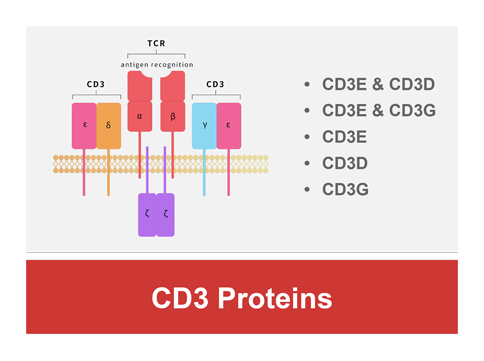
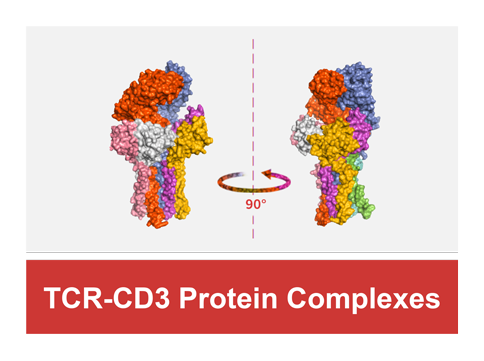
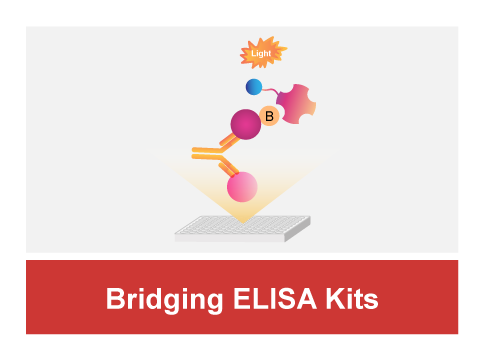
Explore Bispecific Antibody Research Tools
Frequently Asked Questions (FAQ)
Q1: Will multimodal AI become the next major direction for bispecific antibody discovery?
A: Current AI models primarily analyze sequence or structural information, but next-generation bsAb discovery is increasingly shifting toward multimodal learning. By integrating single-cell transcriptomics, spatial biology, protein interaction networks, clinical datasets, and experimental screening results, AI can better predict target biology, mechanism of action, and safety profiles simultaneously. As larger, standardized datasets become available, multimodal AI is expected to support more biologically informed target selection and improve the success rate of early-stage bsAb programs.
Q2: Why is validating native membrane protein binding critical for bispecific antibody screening?
A: Many bsAb targets are membrane proteins whose conformation depends on the lipid environment. Recombinant proteins lacking native structure may produce misleading affinity or epitope data, causing promising candidates to fail during functional testing. Using recombinant membrane proteins that preserve native conformation—such as full-length proteins presented in VLP, detergent, or nanodisc formats—provides more physiologically relevant binding data and improves confidence in early-stage target validation.
Q3: How can researchers evaluate whether a bispecific antibody binds both targets simultaneously?
A: Confirming simultaneous engagement is more informative than measuring individual target affinity alone. Bridging assays directly assess whether both antigen-binding arms function cooperatively within the same molecule, making them valuable during lead screening, molecular optimization, and quality assessment. Bridging ELISA Kits offer a reproducible and efficient approach for verifying dual-target binding while minimizing assay-to-assay variability across development stages.
Q4: What experimental models are commonly used to validate AI-predicted T-cell engager activity?
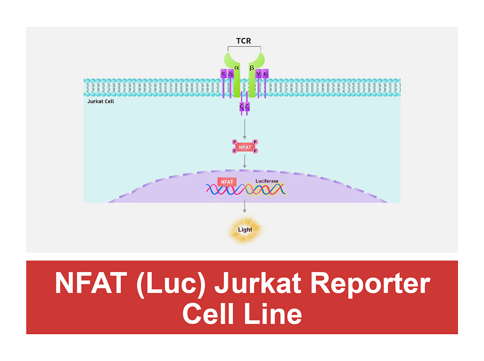
A: Binding alone cannot predict T-cell activation or tumor killing. Functional validation typically combines CD3-expressing reporter cell lines, primary immune cells, and target cell co-culture assays to evaluate immune synapse formation, cytokine release, and cytotoxicity. Well-characterized CD3 proteins and TCR-CD3 complexes further support mechanistic studies, helping researchers connect computational predictions with experimentally verified biological activity.
Q5: How can high-quality experimental data improve AI model performance during bsAb development?
A: AI models are only as reliable as the experimental data used for training and refinement. Consistent measurements of binding kinetics, receptor engagement, functional potency, stability, and developability provide the feedback needed to improve predictive accuracy. Using validated recombinant proteins with high batch-to-batch consistency and standardized analytical reagents helps generate reproducible datasets, enabling iterative AI model optimization and more reliable candidate prioritization across discovery programs.
References
1. Labrijn A F, Janmaat M L, Reichert J M, et al. Bispecific antibodies: a mechanistic review of the pipeline[J]. Nature reviews Drug discovery, 2019, 18(8): 585-608. https://doi.org/10.1038/s41573-019-0028-1
2. Brinkmann U, Kontermann R E. The making of bispecific antibodies[C]//MAbs. Taylor & Francis, 2017, 9(2): 182-212. https://doi.org/10.1080/19420862.2016.1268307
3. Kontermann R. Dual targeting strategies with bispecific antibodies[C]//MAbs. Taylor & Francis, 2012, 4(2): 182-197. https://doi.org/10.4161/mabs.4.2.19000
4. Zhang X, Wang H, Sun C. BiSpec Pairwise AI: guiding the selection of bispecific antibody target combinations with pairwise learning and GPT augmentation[J]. Journal of Cancer Research and Clinical Oncology, 2024, 150(5): 237. https://doi.org/10.1007/s00432-024-05740-3
5. Jumper J, Evans R, Pritzel A, et al. Highly accurate protein structure prediction with AlphaFold[J]. nature, 2021, 596(7873): 583-589. https://doi.org/10.1038/s41586-021-03819-2
6. Akdel M, Pires D E V, Pardo E P, et al. A structural biology community assessment of AlphaFold2 applications[J]. Nature Structural & Molecular Biology, 2022, 29(11): 1056-1067. https://doi.org/10.1038/s41594-022-00849-w
7. Hie B L, Shanker V R, Xu D, et al. Efficient evolution of human antibodies from general protein language models[J]. Nature biotechnology, 2024, 42(2): 275-283. https://doi.org/10.1038/s41587-023-01763-2
8. Jain T, Sun T, Durand S, et al. Biophysical properties of the clinical-stage antibody landscape[J]. Proceedings of the National Academy of Sciences, 2017, 114(5): 944-949. https://doi.org/10.1073/pnas.1616408114
9. Hie B L, Yang K K. Adaptive machine learning for protein engineering[J]. Current opinion in structural biology, 2022, 72: 145-152. https://doi.org/10.1016/j.sbi.2021.11.002