


 Jul 31, 2026
 Page Views:250


For centuries, explorers chased the legendary Fountain of Youth—a mythical spring believed to restore youth and grant eternal life. Although no such fountain has ever been found, the pursuit reflects a timeless human ambition: to slow aging and preserve vitality.
Today, neuroscience is asking a remarkably similar question. Instead of searching for magical waters, researchers are trying to understand the biological mechanisms that keep the brain resilient over time—and whether they can be harnessed to delay cognitive decline.
So what really causes the brain to age, and how close are we to discovering the brain's own "Fountain of Youth"?
When Maintenance Breaks Down
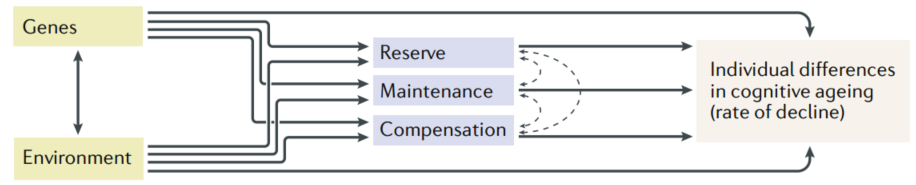
In 2018, Nature Reviews Neuroscience outlined a widely accepted framework for healthy brain aging, centered on three pillars: Reserve, Maintenance, and Compensation.
✔ Reserve is your biological "nest egg." Factors like genetics, education, and lifelong learning build robust neural networks. The richer your reserve, the better your brain can withstand damage.
✔ Maintenance is the daily "repair crew." This system fixes cellular wear-and-tear, clears abnormal proteins, and keeps neurons and synapses functioning smoothly.
✔ Compensation acts as a "traffic detour." When one brain region falters, others step in to pick up the slack.
With age, the efficiency of the Maintenance system declines. Toxic proteins accumulate, and neural connections degrade. Eventually, even the most agile compensation mechanisms cannot prevent cognitive decline. Thus, the speed of brain aging is dictated not by how well we compensate, but by how effectively we maintain.
Source: https://doi.org/10.1038/s41583-018-0068-2
Genetic and environmental factors shape individual variability in brain aging via three core mechanisms: Reserve, Maintenance, and Compensation.
Repairing the Brain's Infrastructure
If maintenance is the brain's repair crew, then many recent discoveries are essentially asking the same question:
How can we help that repair crew keep working?
🍶 Could Vinegar Hold a Clue?
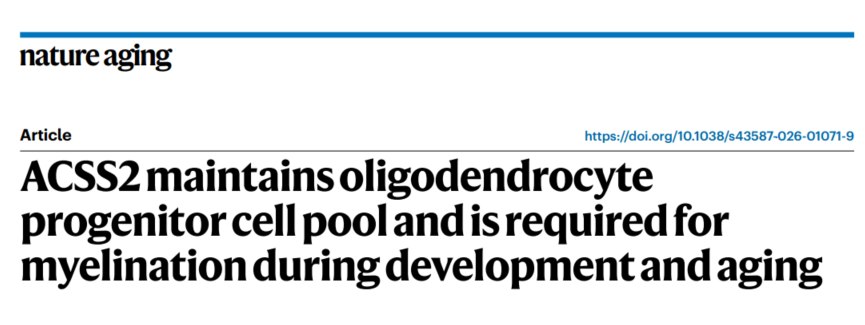
A recent study published in Nature Aging unexpectedly put acetate—a metabolite derived from acetic acid in vinegar—into the spotlight. Researchers found that acetate supplementation in aged mice activated the ACSS2-dependent metabolic pathway, maintained oligodendrocyte precursor cell (OPC) homeostasis, promoted remyelination, and improved learning and memory performance by 37%. Rather than suggesting a simple dietary solution, the study highlights an intriguing biological principle: supporting myelin repair may help restore the brain's natural maintenance system during aging.
🍊 Vitamin C: Quietly Preserving the Brain's "Infrastructure"
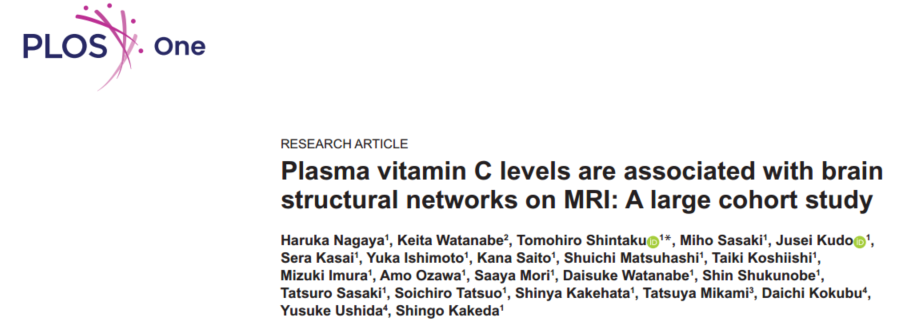
Vitamin C is best known for its antioxidant properties, but emerging evidence suggests another important role: maintaining structural brain integrity. A 2026 PLOS ONE study involving more than 2,000 older adults found that individuals with higher plasma vitamin C levels exhibited better preserved brain structure and stronger connectivity within the default mode network (DMN). These findings suggest that vitamin C may play a quiet but important role in preserving the brain's structural integrity during aging.
Although they act through different biological pathways, both studies converge on the same principle: preserving the brain's Maintenance system may be key to healthy brain aging.
Why Alzheimer's is the Gateway to Anti-Aging
Despite breakthroughs in basic research, most biotech firms targeting brain aging are focusing first on Alzheimer's Disease (AD). There is a strategic reason for this: "slowing aging" is not yet an approved drug indication by regulatory bodies like the FDA or EMA.
AD, however, offers well-established diagnostic criteria, validated biomarkers, and measurable clinical outcomes. More importantly, the approvals of Leqembi and Kisunla have established a regulatory framework linking biomarker improvement with clinical benefit, providing a practical roadmap for future therapeutics targeting age-related brain disorders.
This shift reflects a broader industry trend: competition in brain longevity is moving away from marketing longevity concepts toward generating rigorous clinical evidence.
The investment landscape reflects the same thinking. In 2021, OpenAI CEO Sam Altman invested $180 million in Retro Biosciences, a company aiming to extend healthy human lifespan by ten years. Rather than developing a generic "anti-aging drug," Retro selected AD as the first indication for its lead candidate RTR242. Although RTR242 remains in Phase I clinical development, Retro Biosciences has already reached a valuation of approximately $1.8 billion. The investment thesis is clear: validate an intervention in AD first, then expand the underlying biology to other age-related disorders.
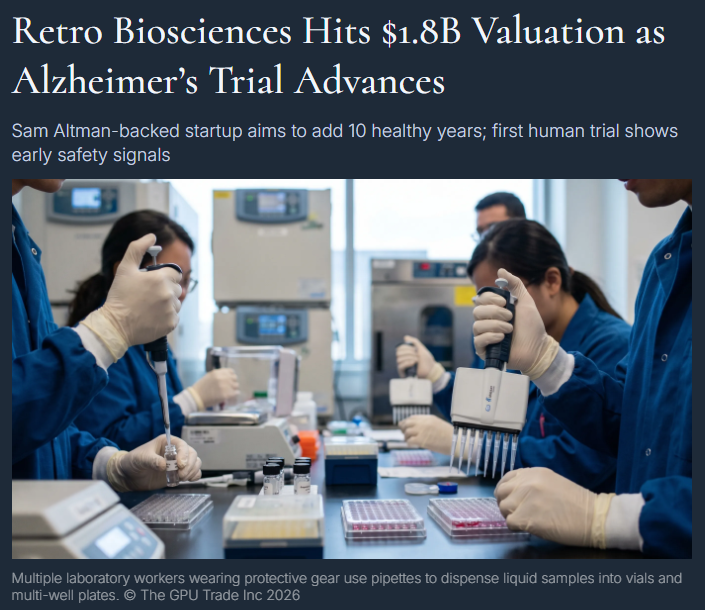
Source: The GPU Trade
Tools Behind Powering Neurological Breakthroughs
Understanding brain aging is only the beginning. Turning those discoveries into effective therapies depends on reliable research tools.
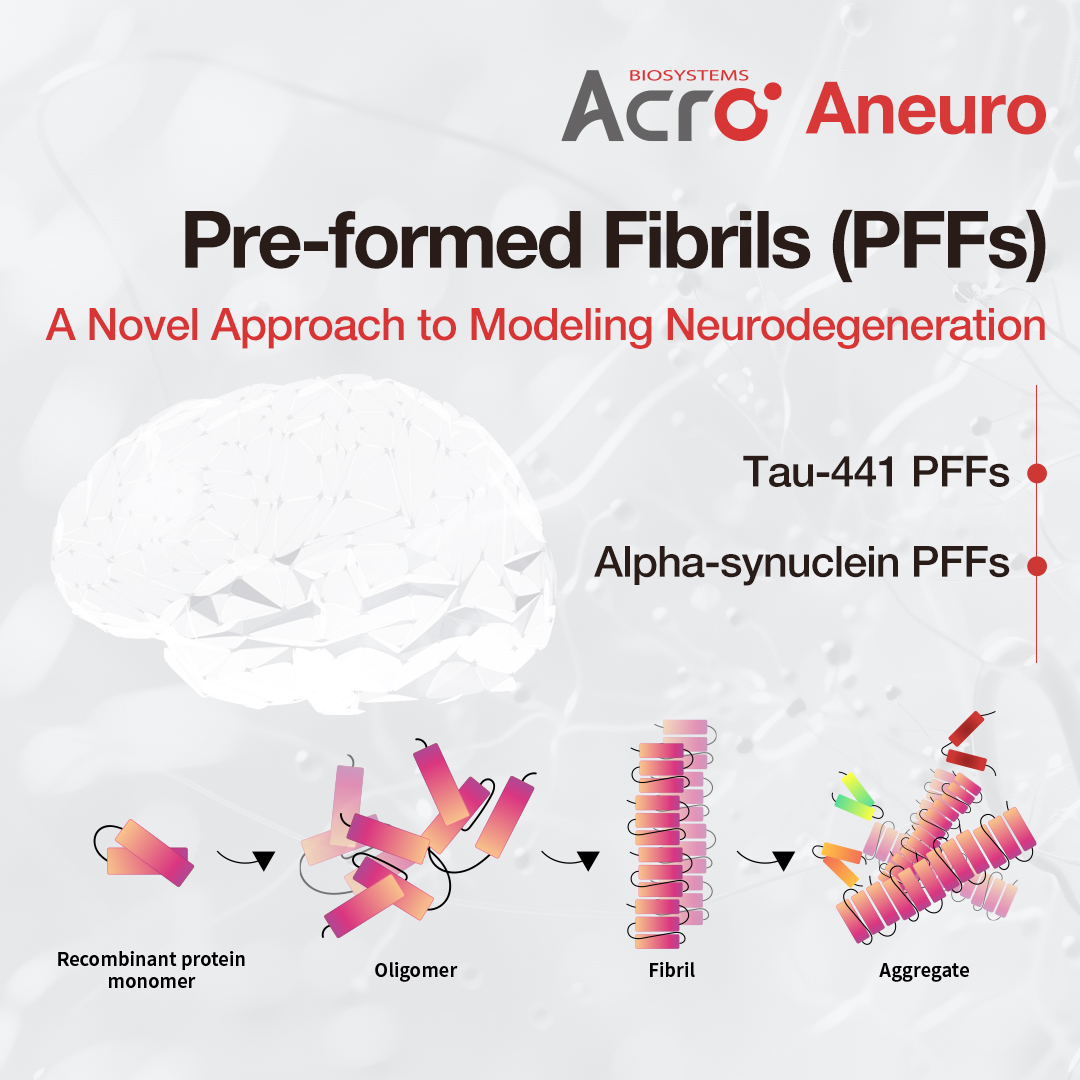
- Tau PFFs have become essential reagents for modeling pathological protein aggregation and studying the propagation of tau pathology across neuronal networks.
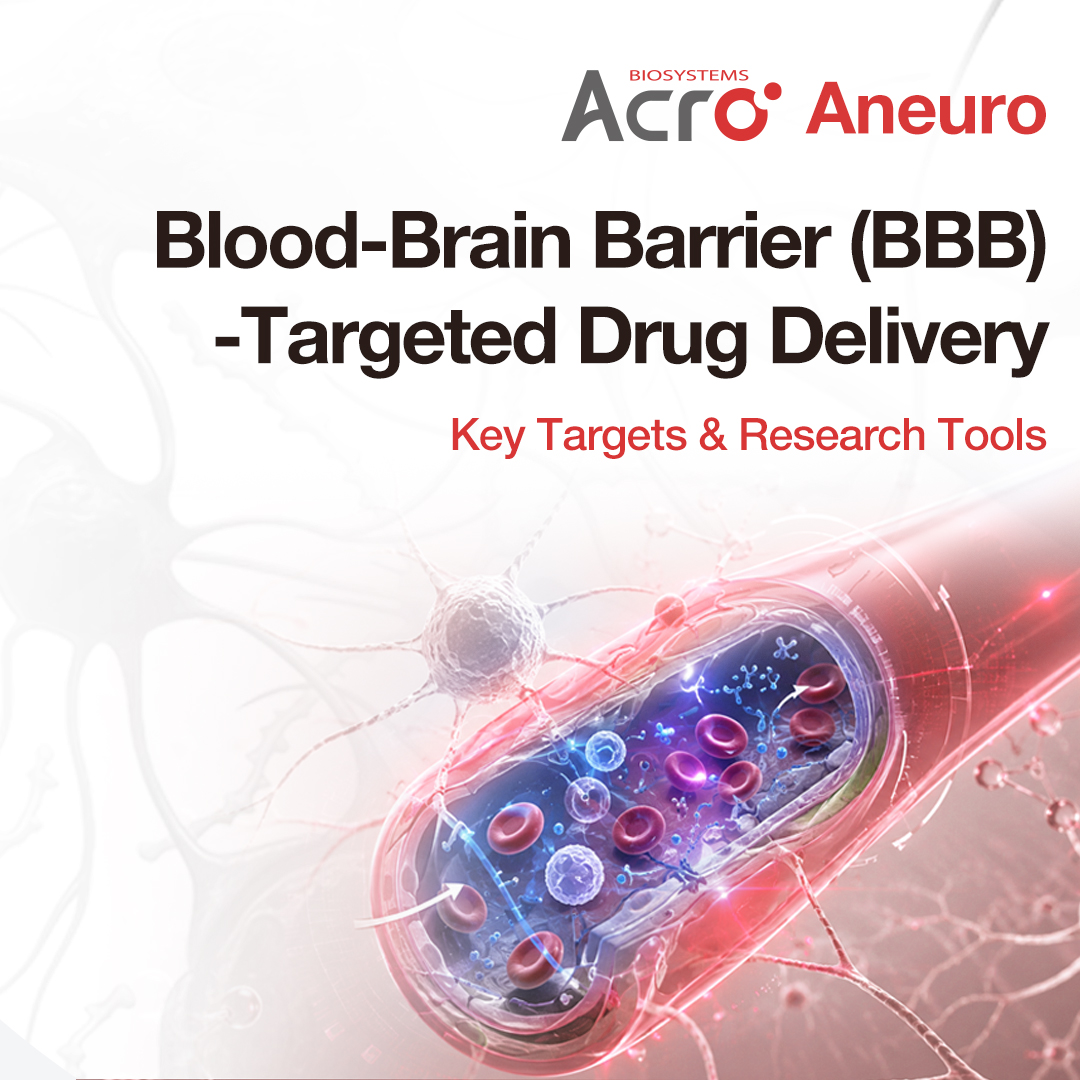
- Blood-brain barrier (BBB) receptors, including LRP1 and TfR1, support the evaluation of CNS drug delivery strategies and receptor-mediated transport across the BBB.
- High-quality recombinant proteins—including Aβ, APOE, Tau, TREM2, as well as neurotrophic factors such as BDNF and NT-3—provide reliable reagents for mechanistic studies, disease modeling, and therapeutic validation.
To support neuroscience research, ACROBiosystems has established an integrated portfolio spanning disease modeling, BBB transport research, and mechanistic validation, helping researchers accelerate the translation of neuroscience discoveries into next-generation therapies.
FAQ
Q1: What are the emerging therapeutic strategies for promoting healthy brain aging?
A: Research on healthy brain aging is increasingly shifting from simply treating neurodegenerative diseases toward preserving the brain's intrinsic maintenance mechanisms. Emerging strategies include enhancing cellular resilience, supporting myelin repair, modulating neuroinflammation, improving protein homeostasis, and maintaining neuronal connectivity. Rather than targeting aging itself as a single process, many researchers are focusing on biological pathways that contribute to resilience against age-related damage. Alzheimer's disease serves as an important translational model, allowing these mechanisms to be evaluated through validated biomarkers and clinical outcomes before broader applications in brain health and longevity.
Q2: How can researchers study the role of pathological Tau aggregation in Alzheimer's disease progression?
A: Tau aggregation and propagation are key pathological processes associated with Alzheimer's disease progression, but understanding their mechanisms requires models that better recapitulate disease-relevant events. Researchers often use pre-formed fibrils (PFFs) to induce Tau aggregation and investigate fibril uptake, intracellular spreading, and neuronal toxicity. Reliable Tau PFFs with consistent fibril characteristics are essential for establishing reproducible disease models across different experimental systems. These models support mechanistic studies of Tau pathology and enable evaluation of potential therapeutic strategies targeting protein aggregation and propagation.
Q3: How are recombinant Alzheimer's disease-related proteins used in target validation and mechanism studies?
A: Target validation in neurodegenerative disease research often requires well-characterized proteins to investigate molecular interactions and biological functions. Recombinant proteins such as Aβ, Tau, TREM2, and APOE variants enable researchers to study protein aggregation, receptor binding, immune regulation, and genetic risk-associated mechanisms under controlled conditions. High-quality recombinant proteins with confirmed purity and biological activity help improve experimental reproducibility in biochemical assays, cell-based models, and drug discovery workflows. These tools are particularly valuable for dissecting disease pathways and identifying potential therapeutic intervention points.
Q4: How can researchers evaluate CNS drug delivery strategies during neuroscience drug development?
A: Efficient delivery across the blood-brain barrier (BBB) remains one of the major challenges in developing CNS therapeutics. Researchers commonly investigate BBB transport mechanisms by studying interactions between therapeutic candidates and key transport receptors, such as transferrin receptor 1 (TfR1) and low-density lipoprotein receptor-related protein 1 (LRP1). Recombinant BBB-related proteins provide controlled systems for evaluating receptor binding, transport mechanisms, and molecular optimization strategies. These studies can support the development of improved CNS delivery approaches for antibodies, biologics, and other therapeutic modalities.
Q5: What factors should researchers consider when selecting recombinant proteins for neuroscience drug development?
A: The selection of recombinant proteins for neuroscience research depends on the specific application, including target validation, biomarker assay development, or therapeutic evaluation. Researchers should consider protein identity, structural integrity, purity, and biological activity to ensure reliable experimental performance. For disease-associated proteins such as Tau, APOE, and TREM2, appropriate isoforms, mutations, or post-translational modifications may also be critical for accurately modeling disease mechanisms. Analytical characterization methods, such as SEC-MALS for assessing molecular quality and ELISA-based activity validation, can help ensure consistency across research workflows.
References
1. Cabeza R, Albert M, Belleville S, et al. Maintenance, reserve and compensation: the cognitive neuroscience of healthy ageing[J]. Nature Reviews Neuroscience, 2018, 19(11): 701-710. https://doi.org/10.1038/s41583-018-0068-2
2. Gao W, Chen S, Huang Y, et al. ACSS2 maintains oligodendrocyte progenitor cell pool and is required for myelination during development and aging[J]. Nature Aging, 2026, 6(3): 560-578. https://doi.org/10.1038/s43587-026-01071-9
3. Nagaya H, Watanabe K, Shintaku T, et al. Plasma vitamin C levels are associated with brain structural networks on MRI: A large cohort study[J]. PLoS One, 2026, 21(6): e0348504. https://doi.org/10.1371/journal.pone.0348504
4. The GPU Trade. (May 23, 2026). Retro Biosciences Hits $1.8B Valuation as Alzheimer's Trial Advances. https://thegputrade.com/news/retro-biosciences-hits-18b-valuation-as-alzheimers-trial-adva-b6qv4bl6/