What Is Rapid Mycoplasma Detection? A Complete Guide to NAT-Based Mycoplasma Testing
 Publication Date:2026-06-22
 Page Views:209
1. Challenges in Mycoplasma Detection and the Need for Rapid Solutions
Mycoplasma contamination remains one of the most persistent and costly risks in cell culture, biopharmaceutical manufacturing, and advanced therapy development. Unlike bacterial or fungal contamination, mycoplasma often causes no visible changes in culture media, making it difficult to detect through routine observation. For organizations developing cell therapies, gene therapies, monoclonal antibodies, vaccines, and other biologics, rapid and reliable mycoplasma testing is essential for maintaining product quality, regulatory compliance, and patient safety.
Traditional culture-based methods have long been considered the gold standard for mycoplasma detection. However, these methods typically require weeks to generate results, creating significant delays in manufacturing workflows and product release timelines. To address these challenges, nucleic acid amplification technology (NAT)-based rapid mycoplasma detection assays have emerged as powerful alternatives that provide sensitive, specific, and rapid detection within hours rather than weeks.
2. Why Is Mycoplasma Such a Serious Problem?
Mycoplasma are among the smallest self-replicating microorganisms and lack a cell wall, allowing them to pass through standard sterilization filters and resist many commonly used antibiotics.
Contamination can originate from:
- Cell lines
- Raw materials
- Biological reagents
- Laboratory personnel
- Manufacturing environments
Once introduced into a culture system, mycoplasma can:
- Alter cell metabolism
- Affect protein expression
- Change gene regulation
- Reduce cell viability
- Compromise experimental reproducibility
- Impact therapeutic product quality
Because contamination often remains undetected, researchers may unknowingly generate invalid data or introduce contaminated materials into downstream processes. While culture methods remain widely accepted, they still present several operational challenges:
Table 1. The Limitations of Traditional Culture-Based Testing
| Challenge | Impact |
|---|---|
| Long testing time (up to 28 days) | Delays product release |
| Labor-intensive workflow | Increased operational burden |
| Specialized expertise required | Higher training requirements |
| Limited suitability for rapid decision-making | Slower manufacturing cycles |
| Delayed contamination identification | Increased risk of batch loss |
This is especially true for cell and gene therapy manufacturers operating under tight production schedules, where waiting several weeks for contamination results is often impractical.
3. How Rapid Mycoplasma Detection Kits Solve Critical Testing Bottlenecks?
(1) NAT-Based Detection: Faster Results Without Sacrificing Sensitivity
Rapid mycoplasma detection kits utilize nucleic acid amplification technologies such as qPCR to directly detect mycoplasma DNA from biological samples. These assays do not rely on microbial growth; instead, they identify conserved genetic sequences associated with mycoplasma species. This approach provides several advantages:
- Faster turnaround times
- High analytical sensitivity
- Broad species coverage
- Improved workflow efficiency
- Easier integration into manufacturing quality control programs
(2) ACROBiosystems' SAFENSURE Mycoplasma Detection Platform
ACROBiosystems' SAFENSUR offers a comprehensive mycoplasma analytical reagents, including Mycoplasma DNA Sample Preparation Kit and Mycoplasma Rapid Detection Kit, developed to meet the requirements of European Pharmacopoeia Chapter 2.6.7, accelerating both biologics in-process monitoring and batch release.
Key features include:
Broad Coverage: Covers over 250 Mollicutes (Mycoplasma, Acholeplasma and Spiroplasma) species, including all mycoplasma species listed in Pharmacopoeias (EP, USP, JP)
Strong Specificity: Developed with multiple primers and probes targeting mycoplasma species' 16s rRNA, with no cross reactivity with common manufacturing host cells or mammalian cells
High Sensitivity: Fully compliant with or superior to regulatory guidance of 10 CFU/mL
Convenient Operation: Designed for single-well testing, with the kit containing essential components for easy use
Comparable Results: Detection results from the kit are comparable to those from culture-based methods
High-quality: This kit is manufactured in ISO 13485 standard facility.
Table 2. Comparison of Traditional Culture and Rapid qPCR Testing
| Parameter | Traditional Culture Method | Rapid qPCR Method |
|---|---|---|
| Time to Result | Up to 28 days | Approximately 2–3 hours |
| Sensitivity | High | High (10 CFU/mL) |
| Workflow Complexity | High | Moderate |
| Suitability for In-Process Testing | Limited | Excellent |
| Lot Release Support | Slow | Rapid |
| Automation Compatibility | Limited | High |
The SAFENSUR Rapid Mycoplasma Testing Solution integrates Automated Nucleic Acid Extraction System, Mycoplasma DNA Sample Preparation Kit, and Mycoplasma Rapid Detection Kit into a streamlined workflow for rapid and reliable mycoplasma monitoring. From DNA extraction to qPCR detection, the integrated platform supports standardized testing across R&D, process development, and GMP manufacturing, delivering operational efficiency, automation compatibility, and regulatory-aligned performance.
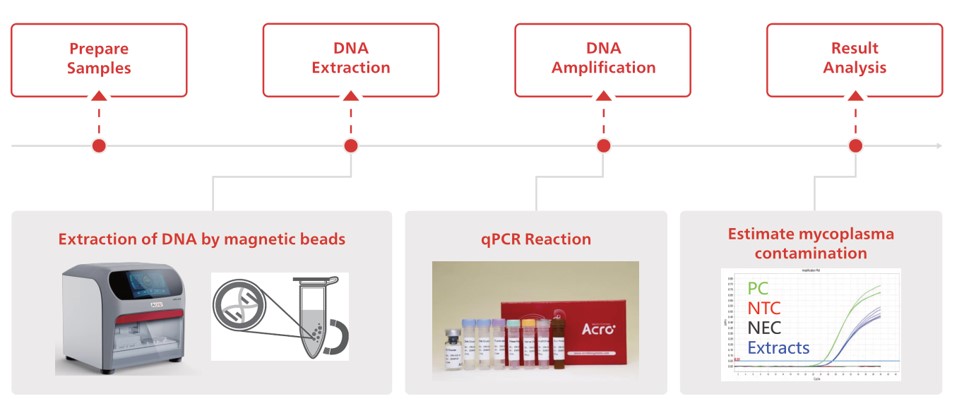
Fig. 1. Streamlined Workflow from Sample Preparation to qPCR-Based Detection
Conclusion
As biologics, cell therapies, and gene therapies continue to advance, rapid and reliable contamination control is becoming increasingly critical throughout development and manufacturing. While traditional culture-based methods remain an important reference standard, their lengthy testing timelines can present challenges for fast-paced development programs. NAT-based mycoplasma detection offers a powerful alternative, delivering results within hours while maintaining high sensitivity and broad detection coverage.
By enabling faster contamination assessment and reducing testing bottlenecks, NAT-based solutions help streamline quality control workflows, support timely process decisions, and minimize operational risks. As the industry continues to pursue greater efficiency, scalability, and regulatory compliance, rapid mycoplasma detection technologies will play an increasingly important role in safeguarding product quality and accelerating the development of next-generation therapies.
5. Frequently Asked Questions (FAQ)
Q1: At which stages of biologics manufacturing are mycoplasma testing required?
A: According to pharmacopeial guidelines, mycoplasma testing is required for the master cell bank, working cell bank, viral seed stock, control cells, and clinical-grade therapeutic cells. For viral vaccines, both the virus harvest fluid and bulk harvest must also be tested for mycoplasma using culture-based methods. If necessary, indicator cell assays may be used to screen culture media for contamination.
Q2: What are the advantages and disadvantages of the culture method and the indicator cell culture method for mycoplasma detection?
A: Culture Method:
• Advantages: Considered the gold standard for mycoplasma detection, this method is well-established and offers high sensitivity.
• Disadvantages: It has a long turnaround time, typically 28 days, and involves the use of live positive control strains, which may increase the risk of contamination.
Indicator Cell Culture Method:
• Advantages: Slightly shorter detection time compared to the traditional culture method, usually around 21 days.
• Disadvantages: Lower sensitivity, and similar to the culture method, the use of positive controls can still pose a contamination risk.
Q3: What are the advantages of nucleic acid testing (NAT) for mycoplasma detection?
A:
• Rapid Results: Detection can be completed within a few hours.
• High Sensitivity: Eliminates the need for live positive control strains, reducing the risk of contamination, and enables the detection of low concentrations of mycoplasma.
Meanwhile, it is important to note that due to the diversity and biological variability of mycoplasma species, the entire testing system must be properly validated.
Q4: How should mycoplasma detection results be interpreted?
A: Once the quality control (QC) results meet the acceptance criteria, sample results can be analyzed. Using the Mycoplasma Rapid Detection Kit (qPCR) as an example:
• FAM Signal: Indicates the presence of mycoplasma nucleic acid. If the FAM Ct value is < 35, the result is positive, indicating the sample is contaminated with mycoplasma. If the FAM Ct value is > 35, the result is negative, indicating no mycoplasma contamination.
• VIC Signal: Serves as an internal control. VIC Ct value < 35 indicates no PCR inhibition. VIC Ct value > 35 suggests the presence of PCR inhibitors, and extraction or amplification conditions may need to be optimized.
Q5: How should sample inhibition be addressed in mycoplasma detection?
A:To mitigate PCR inhibition during mycoplasma testing, consider the following strategies:
• Pre-treatment before nucleic acid extraction: dilute the sample, centrifuge, and collect the supernatant
• Reduce cell count: use fewer cells, ideally less than 10⁶ cells per 200 µL
• Extend Proteinase K treatment time: increase the digestion time during the extraction step to improve lysis efficiency
• Post-lysis centrifugation: after cell lysis, centrifuge immediately to remove cell debris and prevent magnetic bead aggregation
 Popular ArticlesRelated RecommendationsPopular Events
 A Comprehensive Guide to Sterility Testing in Biopharmaceutical Manufacturing: From Compendial Methods to qPCR-Based Rapid Testing2026-07-27Page Views:47
 Biomarkers: Enabling Precision Assessment of Cardio-Kidney-Metabolic (CKM) Syndrome2026-07-24Page Views:74
 Converging at BIO, ACROBiosystems Connects Emerging Innovation Assets with Global Strategic Opportunities2026-07-24Page Views:72
 Payload-Specific ELISA Kits for Intact ADC Quantification in Preclinical PK Studies2026-07-22Page Views:83
 Expanding the Potential of Hematopoietic Stem Cells (HSCs): Emerging Strategies for HSCs Expansion and Clinical Manufacturing2026-07-22Page Views:73





![[Free Sample] Universal Fluorescent Anti-VHH Antibody — Precise Detection of VHH-Based CAR Expression](https://console.acrobiosystems.com/uploads/demo/2026/06/02/Anti-VHHAntibodySmallbanner.jpg)
 Related Products