
- Home
- ProductsSearch by Product
- Recombinant ProteinsRecombinant Proteins
- Immune Checkpoints
- Autoimmune Disease Targets
- Metabolic Disease Targets
- Cytokine Targets
- GMP-grade Proteins
- Cell Therapy Targets
- Fc Receptor Proteins
- ADC Target Proteins
- Enzymes
- Proteins for Neuroscience
- Multi-pass Transmembrane Proteins
- Tumor Microenvironment Proteins
- Other Proteins
- AntibodiesAntibodies
- Immunohistochemistry (IHC) Antibodies
- Antibody Services
- Isotype Controls
- Antibody Internalization Detection Reagent
- Anti-payload Antibodies
- Universal Antibodies
- Anti-idiotype Antibodies
- Other Antibodies
- Cell Lines
- Cell Culture ReagentsCell Culture Reagents
- GMP-grade Growth Factors
- Activation Antibodies
- Extracellular Matrix (ECM) Proteins
- Serum-free Cell Culture Medium
- Disposable Accessories
- Cell Culture Grade Magnetic Beads
- Nuclease
- Solutions
- Complete Solutions from Research to Clinical ManufacturingCytoPak Bag Solution for Closed SystemsCMC Production Process of Adoptive T Cell TherapiesCMC Production Process of Adoptive NK Cell TherapyCMC Production Process of iPSC-based Cell TherapyHigh Quality Laminin Protein Supports Clinical iPSC BankingExtracellular Matrix (ECM) ProteinsCytokines for Stem Cell TherapyCytokines for Organoid CultureAneuro - Neural FactorsOrganoid ToolboxKey Raw Materials for Cell & Gene Therapy
- Others
- Kits & Assay ReagentsKits & Assay Reagents
- ELISA Kits
- Autoimmune Biomarker Detection KitTumor Biomarker Detection KitStem Cell & Organoid Biomarker Detection KitCytokine Detection KitsMetabolic Disease Biomarker Detection KitINHBE/Activin E Dimer ELISA KitHuman Erythropoietin (EPO) ELISA KitBiomarker Detection KitsInhibitor Screening KitsAntibody Titer KitsAAV-related assay kitsImmunogenicity Assay KitsPK Assay KitsEnzyme-Linked Immunosorbent Assay (ELISA) ServiceBridging ELISA Kits
- qPCR Kits
- Fluorescence Assay Kits
- TR-FRET Kits
- Flow Cytometry Assay Kits
- ADC Conjugation Kits
- ELISpot Kits
- Organoid Related Kits
- Assay Reagents
- Viral Antigens&Antibodies & KitsViral Antigens&Antibodies & Kits
- Nipah Virus
- Varicella Zoster Virus
- Influenza Virus
- Respiratory Syncytial Virus
- Rabies Virus
- Herpes Virus
- Other Viruses
- ViruStop Services
- SARS-CoV-2
- Organoids-related SolutionsOrganoids-related Solutions
- Ready-to-use Organoids
- Organoid Maintenance Kits
- Organoid Technical Services
- Organoid Culture Reagents
- Other Related Products
- OthersOthers
- Lab Reagents
- Experimental Instruments and Equipments
Search by Modality- Cell TherapyCell Therapy
- Discovery & Development
- Cell Culture Products
- CAR Targets
- Universal CAR Detection Tool
- Other Target Proteins
- General Proteins
- Drug Screening Service
- Early Pharmacodynamic Assessment
- Immunohistochemistry (IHC) Antibodies
- Manufacturing
- GMP-grade Growth Factors
- Extracellular Matrix (ECM) Proteins
- Serum-free Cell Culture Medium
- Disposable Accessories
- Cell Activation
- Gene Editing
- Residual Nucleic Acid Removal
- Solutions
- - CytoPak Bag Solution for Closed Systems
- - CMC Production Process of Adoptive T Cell Therapies
- - CMC Production Process of Adoptive NK Cell Therapy
- - CMC Production Process of iPSC-based Cell Therapy
- - High Quality Laminin Protein Supports Clinical iPSC Banking
- - Extracellular Matrix (ECM) Proteins
- - Cytokines for Stem Cell Therapy
- - Cytokines for Organoid Culture
- - Aneuro - Neural Factors
- - Organoid Toolbox
- - Key Raw Materials for Cell & Gene Therapy
- - GMP Grade vs Premium(Pre-GMP) Grade
- - Complete Solutions from Research to Clinical Manufacturing
- Custom GMP-grade Products
- GMP-Resilient Supply
- Quality Control
- CAR Target Proteins
- Anti-Linker Antibodies
- Safety Testing Platform
- - Recombinant Factor C Endotoxin Detection Kit
- - Recombinant Factor C Endotoxin Detection Kit (High Sensitivity)Coming Soon
- - LER Sample Dilution Buffer
- - Endotoxin-Free Glass Test Tubes
- - Mycoplasma DNA Sample Preparation Kit (Magnetic beads)
- - Mycoplasma Rapid Detection Kit (qPCR)
- - Sterility Sample Preparation Kit (Magnetic beads)
- - Sterility Rapid Detection Kit (qPCR)
- - Automated Nucleic Acid Extraction System
- - Nuclease-Free Water
- - 96 V-Bottom Deep-well Plate
- - 8-Strip V-Bottom Tip Comb
- - More >>
- CMC Residue Detection Kits
- - Residual Host Cell DNA Detection Kits
- - Residual Plasmid DNA Quantitation Kit
- - RNase / DNase Detection Kits
- - Residual dsRNA ELISA Kit
- - Residual T7 RNA polymerase ELISA Kit
- - Residual BSA ELISA Kit
- - Residual Antibiotics Detection Kits
- - Residual HIV-1 p24 ELISA Kit
- - Residual Cell Culture Materials Detection Kits
- - Human Laminin Quantitative ELISA Kit
- - CGT CMC Manufacturing Process Residue Detection Solutions
- - More >>
- Flow Cytometry Analysis Platform
- - Human Th1/Th2 Cytokine Kit
- - Human TBNK 6-color Cocktail Flow Panel
- - Fluorescent Labeled CAR Target Protein
- - Anti-Linker Antibodies
- - Anti-FMC63 scFv Antibodies
- - Anti-C11D5.3 scFv Antibodies
- - MHC Tetramer
- - Antibody Labeling Kit
- - Single/Multiplex Cytokine Flow Cytometry Analysis Platform
- - Cell Phenotyping Flow Cytometry Analysis Platform
- - Star Staining New-generation Site-specific Labeling Platform
- - More >>
- Antibody Density Detection on Carriers
- - Alexa Fluor™ 488-Labeled Human CD3 epsilon Protein, His Tag
- - Alexa Fluor™ 488-Labeled Human CD8 alpha Protein, His Tag
- - Alexa Fluor™ 488-Labeled Human CD5 Protein, His Tag Star Staining
- - Alexa Fluor™ 488-Labeled Human CD4 Protein, His Tag Star Staining
- - Alexa Fluor™ 488-Labeled Human CD7 Protein, His Tag Star Staining
- - More >>
- ELISA Kits
- Functional Cell lines (Cellinsight)
- Pre-clinical Research
- Pharmacokinetics Studies
- Pharmacodynamics Studies
- Toxicity Studies
- Immunogenicity Studies
- Audit & Documentation support
- Immunohistochemistry (IHC) Antibodies
- Clinical Research
- Pharmacokinetics Studies
- Biomarker and Translational Research
- Toxicity Studies
- Immunogenicity Studies
- Immunohistochemistry (IHC) Antibodies
- In Vivo CARIn Vivo CAR
- Discovery & Development
- Antibody Density Detection on Carriers
- - Alexa Fluor™ 488-Labeled Human CD3 epsilon Protein, His Tag
- - Alexa Fluor™ 488-Labeled Human CD8 alpha Protein, His Tag
- - Alexa Fluor™ 488-Labeled Human CD5 Protein, His Tag Star Staining
- - Alexa Fluor™ 488-Labeled Human CD4 Protein, His Tag Star Staining
- - Alexa Fluor™ 488-Labeled Human CD7 Protein, His Tag Star Staining
- - More >>
- CAR Target Proteins
- Universal CAR Detection Tool
- Early Pharmacodynamic Assessment
- Safety Testing Platform
- - Recombinant Factor C Endotoxin Detection Kit
- - Recombinant Factor C Endotoxin Detection Kit (High Sensitivity)Coming Soon
- - LER Sample Dilution Buffer
- - Endotoxin-Free Glass Test Tubes
- - Mycoplasma DNA Sample Preparation Kit (Magnetic beads)
- - Mycoplasma Rapid Detection Kit (qPCR)
- - Sterility Sample Preparation Kit (Magnetic beads)
- - Sterility Rapid Detection Kit (qPCR)
- - Automated Nucleic Acid Extraction System
- - Nuclease-Free Water
- - 96 V-Bottom Deep-well Plate
- - 8-Strip V-Bottom Tip Comb
- - More >>
- Manufacturing
- Residual Nucleic Acid Removal
- Quality Control
- Antibody Density Detection on Carriers
- - Alexa Fluor™ 488-Labeled Human CD3 epsilon Protein, His Tag
- - Alexa Fluor™ 488-Labeled Human CD8 alpha Protein, His Tag
- - Alexa Fluor™ 488-Labeled Human CD5 Protein, His Tag Star Staining
- - Alexa Fluor™ 488-Labeled Human CD4 Protein, His Tag Star Staining
- - Alexa Fluor™ 488-Labeled Human CD7 Protein, His Tag Star Staining
- - More >>
- Safety Testing Platform
- - Recombinant Factor C Endotoxin Detection Kit
- - Recombinant Factor C Endotoxin Detection Kit (High Sensitivity)Coming Soon
- - LER Sample Dilution Buffer
- - Endotoxin-Free Glass Test Tubes
- - Mycoplasma DNA Sample Preparation Kit (Magnetic beads)
- - Mycoplasma Rapid Detection Kit (qPCR)
- - Sterility Sample Preparation Kit (Magnetic beads)
- - Sterility Rapid Detection Kit (qPCR)
- - Automated Nucleic Acid Extraction System
- - Nuclease-Free Water
- - 96 V-Bottom Deep-well Plate
- - 8-Strip V-Bottom Tip Comb
- - More >>
- CMC Residue Detection Kits
- Pre-clinical Research
- Pharmacokinetic Studies
- Immunogenicity Studies
- Toxicity Studies
- Immunohistochemistry (IHC) Antibodies
- Pharmacodynamic Assessment
- Clinical Research
- Pharmacokinetic Studies
- Immunogenicity Studies
- Toxicity Studies
- Immunohistochemistry (IHC) Antibodies
- Biomarker and Translational Research
- Gene TherapyGene Therapy
- Discovery & Development
- Gene Editing
- Early Pharmacodynamic Assessment
- AAV Titer Quantitation
- - AAV2 Titration ELISA Kit
- - AAV2 Titration ELISA Kit (Fast)
- - AAV3 Titration ELISA Kit
- - AAV3 Titration ELISA Kit (Fast)
- - AAV5 Titration ELISA Kit
- - AAV5 Titration ELISA Kit (Fast)
- - AAV8 Titration ELISA Kit
- - AAV8 Titration ELISA Kit (Fast)
- - AAV9 Titration ELISA Kit
- - AAV9 Titration ELISA Kit (Fast)
- Pre-existing anti-AAV Antibody Research
- Manufacturing
- Premium(Pre-GMP) grade Raw Materials
- Gene Editing Products
- Nucleic Acid Removal Products
- AAV Titer Quantitation
- - AAV2 Titration ELISA Kit
- - AAV2 Titration ELISA Kit (Fast)
- - AAV3 Titration ELISA Kit
- - AAV3 Titration ELISA Kit (Fast)
- - AAV5 Titration ELISA Kit
- - AAV5 Titration ELISA Kit (Fast)
- - AAV8 Titration ELISA Kit
- - AAV8 Titration ELISA Kit (Fast)
- - AAV9 Titration ELISA Kit
- - AAV9 Titration ELISA Kit (Fast)
- Large-Scale Manufacturing
- Quality Control
- AAV Titer Quantitation
- - AAV2 Titration ELISA Kit
- - AAV2 Titration ELISA Kit (Fast)
- - AAV3 Titration ELISA Kit
- - AAV3 Titration ELISA Kit (Fast)
- - AAV5 Titration ELISA Kit
- - AAV5 Titration ELISA Kit (Fast)
- - AAV8 Titration ELISA Kit
- - AAV8 Titration ELISA Kit (Fast)
- - AAV9 Titration ELISA Kit
- - AAV9 Titration ELISA Kit (Fast)
- Safety Testing Platform
- - Recombinant Factor C Endotoxin Detection Kit
- - Recombinant Factor C Endotoxin Detection Kit (High Sensitivity)Coming Soon
- - LER Sample Dilution Buffer
- - Endotoxin-Free Glass Test Tubes
- - Mycoplasma DNA Sample Preparation Kit (Magnetic beads)
- - Mycoplasma Rapid Detection Kit (qPCR)
- - Sterility Sample Preparation Kit (Magnetic beads)
- - Sterility Rapid Detection Kit (qPCR)
- - Automated Nucleic Acid Extraction System
- - Nuclease-Free Water
- - 96 V-Bottom Deep-well Plate
- - 8-Strip V-Bottom Tip Comb
- - More >>
- Residual Detection-resDetect
- Potency Assays
- Pre-clinical Research
- Pharmacodynamics Studies
- Immunogenicity Studies
- Toxicity Studies
- Audit & Documentation support
- Clinical Research
- Biomarker and Translational Research
- Toxicity Studies
- Immunogenicity Studies
- Therapeutic AntibodiesTherapeutic Antibodies
- Discovery & Development
- Target Proteins
- Antibody Screening
- Fc Proteins
- Cell Line (CellInsight)
- Early Pharmacodynamic Assessment
- Immunohistochemistry (IHC) Antibodies
- TR-FRET Kits
- Manufacturing
- Nucleic Acid Removal
- High-yield Monoclonal Clones Screening
- Quality Control
- Safety Testing Platform
- - Recombinant Factor C Endotoxin Detection Kit
- - Recombinant Factor C Endotoxin Detection Kit (High Sensitivity)Coming Soon
- - LER Sample Dilution Buffer
- - Endotoxin-Free Glass Test Tubes
- - Mycoplasma DNA Sample Preparation Kit (Magnetic beads)
- - Mycoplasma Rapid Detection Kit (qPCR)
- - Sterility Sample Preparation Kit (Magnetic beads)
- - Sterility Rapid Detection Kit (qPCR)
- - Automated Nucleic Acid Extraction System
- - Nuclease-Free Water
- - 96 V-Bottom Deep-well Plate
- - 8-Strip V-Bottom Tip Comb
- - More >>
- Residual Detection-resDetect
- Other Quality Control Products
- Cytokine Release Detection
- Preclinical Research
- Pharmacokinetics Studies
- Toxicity Studies
- Immunogenicity Studies
- Pharmacodynamics Studies
- Audit & Documentation support
- Immunohistochemistry (IHC) Antibodies
- Clinical Research
- Pharmacokinetics Studies
- Biomarker and Translational Research
- Immunogenicity Studies
- Toxicity Studies
- Immunohistochemistry (IHC) Antibodies
- Antibody Drug ConjugatesAntibody Drug Conjugates
- Discovery & Development
- Antibody Screening
- Internalization Mechanism Characterization
- Fc Effector Function Validation
- Linker Screening and Validation
- Early Pharmacodynamic Assessment
- TR-FRET Kits
- Manufacturing
- Conjugation Kits
- Quality Control
- Internalization Mechanism Characterization
- Fc Effector Function Validation
- Safety Testing Platform
- - Recombinant Factor C Endotoxin Detection Kit
- - Recombinant Factor C Endotoxin Detection Kit (High Sensitivity)Coming Soon
- - LER Sample Dilution Buffer
- - Endotoxin-Free Glass Test Tubes
- - Mycoplasma DNA Sample Preparation Kit (Magnetic beads)
- - Mycoplasma Rapid Detection Kit (qPCR)
- - Sterility Sample Preparation Kit (Magnetic beads)
- - Sterility Rapid Detection Kit (qPCR)
- - Automated Nucleic Acid Extraction System
- - Nuclease-Free Water
- - 96 V-Bottom Deep-well Plate
- - 8-Strip V-Bottom Tip Comb
- - More >>
- Residual Detection
- Enzymes for Antibody Characterization
- Antibody Characterization Services
- Pre-clinical Research
- Pharmacokinetics Studies
- Pharmacodynamics Studies
- Immunogenicity Studies
- Toxicity Studies
- Audit & Documentation support
- Immunohistochemistry (IHC) Antibodies
- Clinical Research
- Pharmacokinetics Studies
- Biomarker and Translational Research
- Toxicity Studies
- Immunogenicity Studies
- Immunohistochemistry (IHC) Antibodies
- VaccinesVaccines
- Discovery & Development
- Recombinant Viral Antigens-ViruStop
- Antigen Detection
- Vaccine Efficacy Assessment
- Early Pharmacodynamic Assessment
- Manufacturing
- Gene-editing
- Quality Control
- Antigen Detection
- Vaccine Efficacy Assessment
- Safety Testing Platform
- - Recombinant Factor C Endotoxin Detection Kit
- - Recombinant Factor C Endotoxin Detection Kit (High Sensitivity)Coming Soon
- - LER Sample Dilution Buffer
- - Endotoxin-Free Glass Test Tubes
- - Mycoplasma DNA Sample Preparation Kit (Magnetic beads)
- - Mycoplasma Rapid Detection Kit (qPCR)
- - Sterility Sample Preparation Kit (Magnetic beads)
- - Sterility Rapid Detection Kit (qPCR)
- - Automated Nucleic Acid Extraction System
- - Nuclease-Free Water
- - 96 V-Bottom Deep-well Plate
- - 8-Strip V-Bottom Tip Comb
- - More >>
- Residual Detection-resDetect
- - Vero resDNA Quantitation Kit (qPCR)
- - Pichia pastoris resDNA Quantiation Kit(qPCR)
- - Host DNA/Protein Quantitative Kits
- - RNase / DNase Detection Kits
- - GENIUS™ Nuclease Residual Detection Kit
- - Residual Raw Enzyme Materials Detection Kits
- - Residual dsRNA ELISA Kit
- - Residual BSA ELISA Kit
- - Residual Antibiotics Detection Kits
- - More >>
- Pre-clinical Research
- Clinical Research
- Vaccine Efficacy Assessment
- Toxicity Studies
- Biomarker and Translational Research
Explore by Brand- All Brands
- ServicesTechnical Service Platform
- Custom Development ServicesCustom Development ServicesMore >
- Custom GMP-grade Protein Services
- TR-FRET Kit Development Service
- MHC Complex Custom Service
- Enzyme-Linked Immunosorbent Assay (ELISA) Service
- Cell line customization service
- Recombinant Antibody Services
- Single B Cell Antibody Discovery Platform
- Anti-Idiotypic Antibody Development Service
- Analytical Testing ServicesAnalytical Testing ServicesMore >
- SAFENSURE™ Safety Testing Services
- Enzyme-Linked Immunosorbent Assay (ELISA) Service
- Biomolecular Interaction Analysis Service
- Quality Characterization Analytical Service
- Reporter Cell Line Validation Service
- Other ServicesOther Services
- Functional Cell Line Commercial License Support
- Quality
Quality Management Systems
GMP-Resilient Supply
“Structure & Application Integrated” Protein Development Platform
- Activities
- Resources
- Supports
- ACROBiosystems
About Us
Partner with Us
Contact Us


Other Information
Menu

Microelectrode Array (MEA) Service
MEA is an advanced electrophysiological detection technology that uses multiple microelectrodes embedded on the surface of culture plates to simultaneously monitor and record electrical signals from multiple cells. These electrodes are in close contact with the cells, allowing electrical signals generated by the cells to be transmitted through the cell-electrode interface and captured by the MEA system as analyzable data. With its efficiency, non-invasiveness, and ability for long-term continuous monitoring, MEA technology is a powerful tool for research in neuroscience, developmental biology, and drug development.
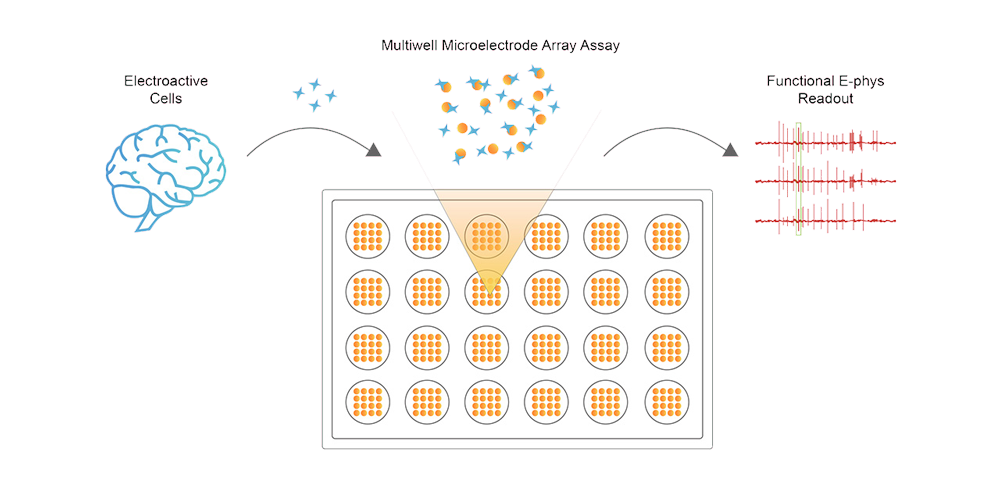
Microelectrode Array (MEA) Technology
What You Can Do with ACRO's MEA System
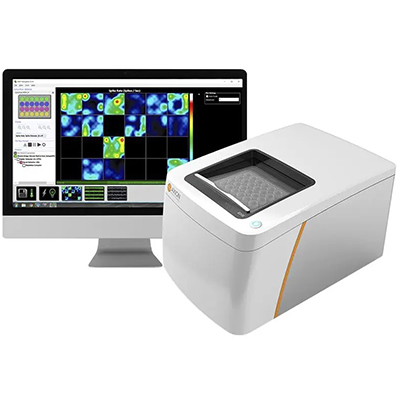
Main Technical Parameters:
High-Speed Data Collection: 12.5 KHz rate for accurate depolarization waveform analysis.
Sensitive Voltage Resolution: Detects subtle extracellular action potentials.
High-Density Electrode Array: The Maestro Porous plate's 24 x 16 electrodes provide high-quality data for entire culture plates.
Flexible Plate Options: Available in 6- and 24-well formats to accommodate diverse cell culture needs.
Advanced Signal Processing Chip: BioCore V4 chip offers strong signals, low-frequency capacity, and flexibility.
ACRO’s Service Offerings:
2D Cell Signal Detection: Captures spontaneous electrical signals and changes after stimulation.
Comprehensive Reporting: Provides a detailed MEA assay report, raw data, and images.
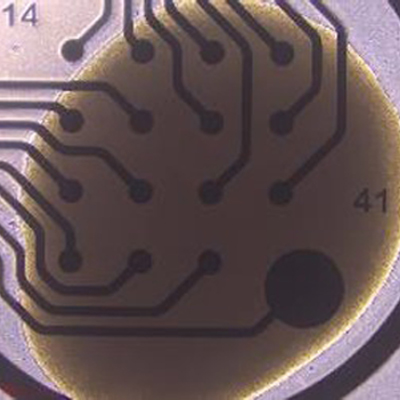
Cerebral organoids generate
spontaneous spikes and bursts
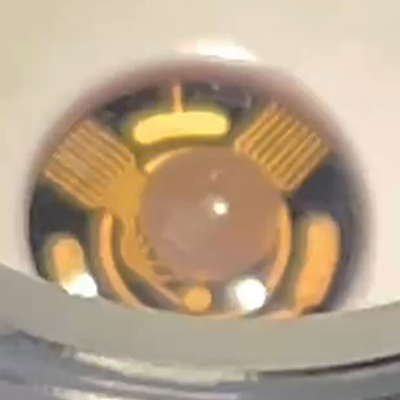
Cardiac organoid
tested for the ECG
Why ACRO:
Optimized Experimental Environment: Ensure stable CO2 and temperature control for reliable short- and long-term studies.
Industry-Leading Organoid Electrophysiology Detection: We have successfully applied the MEA recording system to cardiac and cerebral organoids, allowing us to test ECG and the generation and transmission of nerve electrical signals in the brain.
Case Study
MEA Verified Haloperidol-Induced Modulation of Neuronal Firing
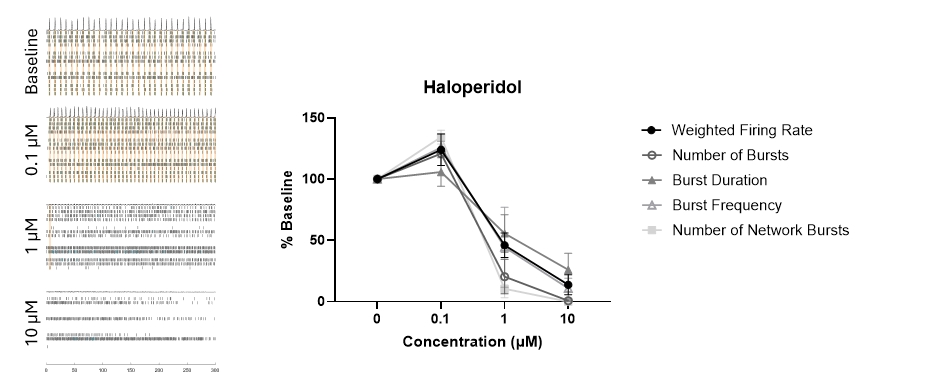
This data set demonstrates the dose-dependent effects of Haloperidol on neuronal firing. Raster plots and associated firing parameters (for Weighted Mean Firing Rate, Number of Bursts, Burst Duration and Burst Frequency, n = 3; for Number of Network Bursts, n = 2) are presented for varying Haloperidol concentrations. At 0.1 μM, the firing activity is enhanced, while at 1 μM, the activity diminishes. At 10 μM, the firing is nearly abolished. These results are consistent with findings from Yokoi et al. (2019), where Haloperidol is known to inhibit D2 receptors at low doses and 5-HT2 receptors at high doses (Tyler et al., 2017). This confirms that the relevant receptors in our Human iPSC-Derived Dopamine Neurons are functioning normally, underscoring their utility in drug screening and neurotoxicity studies.
- Introduction
- What You Can Do with ACRO's MEA System
- Case Study



Online Message
[North America]: 1 Innovation Way, Newark, DE 19711, USA [Switzerland]: ACRObiosystems AG, c/o Zug Dammstrasse Centre AG, Dammstrasse 19, 6300 Zug Switzerland
Email:order@acrobiosystems.com
Copyright © 2025 ACROBiosystems. All Rights Reserved
전화
글로벌: +1 800-810-0816 (무료)
아시아태평양: +86 400-682-2521
주소 서울특별시 송파구 법원로11길 11, 제3층 제비-314,315호