


Unlocking INHBE/Activin E: A Key Target in Metabolic Health
What is INHBE/Activin E?
Activin E (beta E/beta E), a pivotal member of the transforming growth factor-β (TGF-β) superfamily, is encoded by the INHBE gene and is predominantly expressed in the liver. It functions as a dimeric protein (~23 kDa), composed of two βE subunits linked by disulfide bonds (Figure 1). Following proteolytic cleavage of its precursor, the mature secreted form circulates in the bloodstream to exert effects on target tissues.

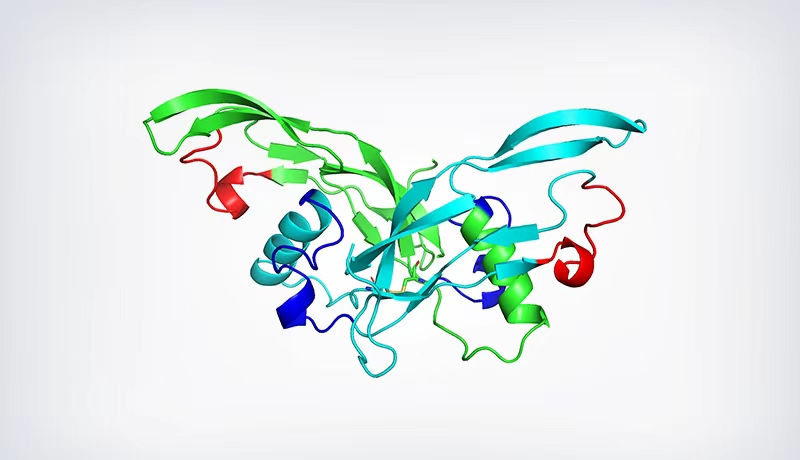
Figure 1 Schematic Diagram of Activin E Dimer (beta E/beta E) Structure (By ACRO)
INHBE/Activin E: A Promising Therapeutic Target for Obesity
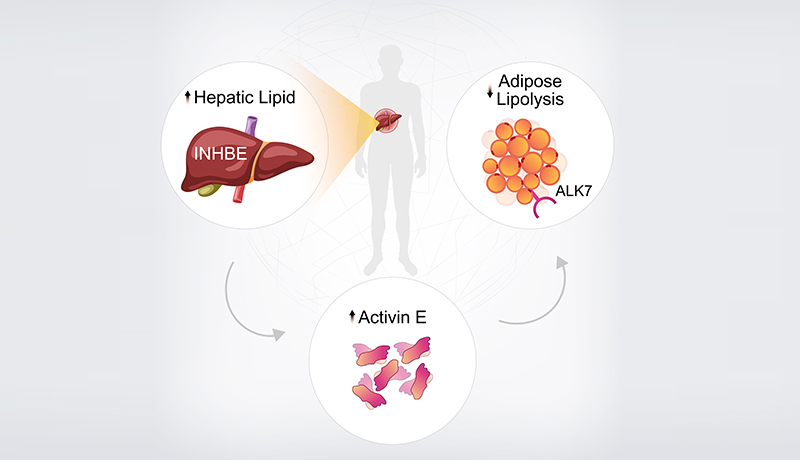
Figure 2 Schematic Diagram of INHBE–Activin E–ALK7 signaling pathway
INHBE/Activin E: A Promising Therapeutic Target for Obesity
Research indicates that elevated INHBE gene expression increases Activin E protein levels, which in turn promotes hepatic adiposity, insulin resistance, and metabolic dysfunction-associated fatty liver disease (MAFLD). This process is mediated through the INHBE–Activin E–ALK7 signaling pathway (Figure 2).
INHBE stands out as a compelling target for treating obesity and related metabolic disorders. Its distinct advantage lies in the potential for selective reduction of adipose tissue—particularly visceral fat—while preserving lean muscle mass, a mechanistic profile that differentiates it from conventional weight-loss therapies.
INHBE/Activin E: A Promising Therapeutic Target for Obesity
Research indicates that elevated INHBE gene expression increases Activin E protein levels, which in turn promotes hepatic adiposity, insulin resistance, and metabolic dysfunction-associated fatty liver disease (MAFLD). This process is mediated through the INHBE–Activin E–ALK7 signaling pathway (Figure 2).
INHBE stands out as a compelling target for treating obesity and related metabolic disorders. Its distinct advantage lies in the potential for selective reduction of adipose tissue—particularly visceral fat—while preserving lean muscle mass, a mechanistic profile that differentiates it from conventional weight-loss therapies.
Figure 2 Schematic Diagram of INHBE–Activin E–ALK7 signaling pathway
Why Choose ACROBiosystems for INHBE/Activin E Detection?
Why Choose ACROBiosystems for INHBE/Activin E Detection?
The ACRO Human Activin E Dimer ELISA Kit (Cat. No.CEA-B247) is specifically designed to detect the biologically dimeric form of Activin E (beta E/beta E), providing accurate and relevant physiological insights (Figure 3). Unlike other commercial kits that may detect non-dimeric isoforms, our assay ensures target specificity and reliability (Table 1).
The kit is validated for use with human samples, humanized mouse models, and non human primate (NHP) specimens, supporting translational and preclinical research.

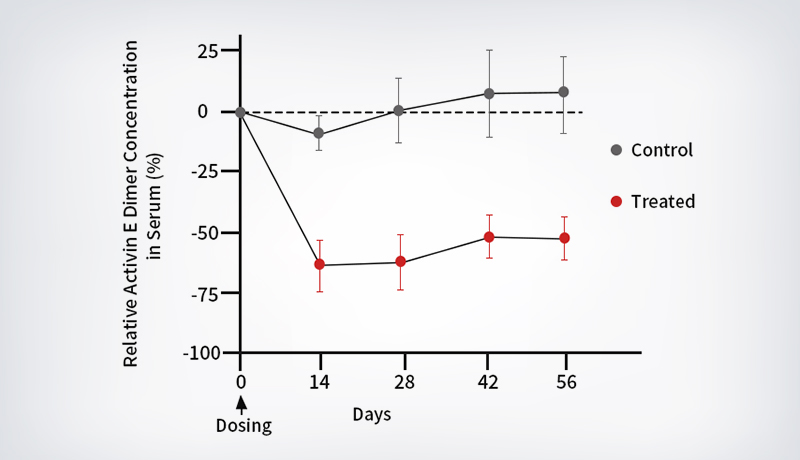
Figure 3 NHP Serum Activin E Dimer Protein Levels in the INHBE-siRNA Drug Treatment Group and the Control Group
Table 1: Key Differentiators of the ACRO Activin E Dimer ELISA Kit
| Feature | Human Activin E Dimer Kit (ACRO) | Other Commercially Kits |
|---|---|---|
| Target | Activin E dimer | Oligomeric/non-dimeric forms |
| Immunogen | Recombinant Activin E dimer | Oligomeric/non-dimeric forms |
| Standard | Recombinant Activin E dimer | Oligomeric/non-dimeric forms |
| Validation | IP-MS/sequencing validated for Activin E detection | Typically not validated |
| Detection | Accurate Activin E dimer measurement | Prone to false positives |
| Accuracy | Reflects true biological changes | May not correlate with activity |
| Design Principle | Specific to bioactive form | Often lacks dimer specificity |
Sample Values
Sample Values
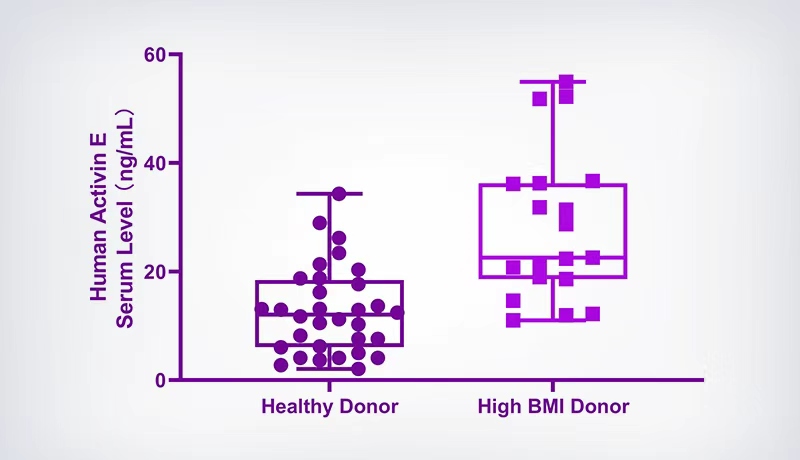
Healthy and High BMI donor serum samples were evaluated for the levels of human Activin E in assay. The sample detection rate was 100%. Mean of healthy donor is 12.78 ng/mL and mean of high BMI donor is 28.13 ng/mL.
Sample Values
Healthy and High BMI donor serum samples were evaluated for the levels of human Activin E in assay. The sample detection rate was 100%. Mean of healthy donor is 12.78 ng/mL and mean of high BMI donor is 28.13 ng/mL.
Cross-Reactivity
Cross-Reactivity
Activin E (Oligomeric/non-dimeric forms) and Activin C were detected in this assay. The cross-reactivity rate (%) is shown in the following Table.
|
|
Nominal value (pg/mL) | Detected value (pg/mL) | Cross-reactivity rate |
|---|---|---|---|
| Activin E (Oligomeric/non-dimeric forms) | 2000000 | 5.5 | 0.000275% |
| Activin C | 100000 | 24 | 0.024000% |
Free Sample Request
Free Sample Request
- Background
- INHBE/Activin E: A Promising Therapeutic Target for Obesity
- Why Choose ACROBiosystems for INHBE/Activin E Detection?
- Sample Values
- Cross-Reactivity
- Free Sample Request



Online Message
[North America]: 1 Innovation Way, Newark, DE 19711, USA [Switzerland]: ACRObiosystems AG, c/o Zug Dammstrasse Centre AG, Dammstrasse 19, 6300 Zug Switzerland
Email:order@acrobiosystems.com
Copyright © 2025 ACROBiosystems. All Rights Reserved
전화
글로벌: +1 800-810-0816 (무료)
아시아태평양: +86 400-682-2521
주소 서울특별시 송파구 법원로11길 11, 제3층 제비-314,315호